The Pros and Cons of Using Credit Cards in Personal Credit Building
The Benefits of Using Credit Cards
Utilizing credit cards effectively can yield numerous benefits for consumers who understand their features and manage them wisely. One of the most significant advantages is the ability to build a solid credit history. Engaging in responsible habits, such as making timely payments and keeping credit utilization low, can significantly enhance your credit score over time. A higher credit score is crucial; it can influence the interest rates on loans and mortgages, essentially determining how much you pay for large purchases over years.
Another appealing aspect of credit cards is their rewards programs. Many credit cards offer incentives such as cash back, points redeemable for travel, or even discounts at specific retailers. For example, cards like the Chase Sapphire Preferred provide points that can be converted into travel credits, making it easier for users to afford vacations. For those who regularly spend on groceries or gas, credit cards that offer higher cash back in these categories can lead to substantial savings. This feature not only fosters responsible spending but can also contribute to a more rewarding financial experience.
Emergency Funds Access
In unexpected situations, such as medical emergencies or car repairs, credit cards serve as a valuable resource for immediate financial access. Rather than scrambling to find cash or dipping into savings, using a credit card allows you to manage surprise expenses more fluidly. However, it’s crucial to note that this should not become a crutch; ensuring the ability to pay that balance off quickly is essential to avoid spiraling into debt.
The Risks Involved with Credit Card Usage
While there are significant benefits, it is equally important to be aware of the disadvantages tied to credit cards. A major concern is the risk of debt accumulation. If individuals do not pay attention to their spending habits, they may find themselves facing exorbitant interest charges, which can exacerbate financial woes. For instance, carrying a balance on a credit card with a high interest rate can lead to a situation where more money is spent on interest than on the actual purchases.
In addition to accruing debt, users should be mindful of various fees associated with credit cards. Some cards charge annual fees, while others impose foreign transaction fees, which can accumulate quickly when traveling abroad. Data from consumer advocacy groups indicate that nearly 25% of credit card users incur fees annually, which eats into the potential savings they could gain from rewards programs.
The Impact on Your Credit Score
Another critical factor to consider is how late payments can adversely affect your credit score. In today’s financial landscape, a good credit score is more important than ever; it determines not just your loan eligibility but also the terms that lenders will offer you. Late payments, especially if they become habitual, can severely damage your credit profile and inhibit your ability to make significant purchases in the future, such as buying a home or financing a vehicle.
In conclusion, navigating the world of credit cards requires a balance of knowledge and responsibility. Understanding the benefits alongside the pitfalls can equip consumers with the information needed to leverage credit cards as a tool for financial growth while avoiding the traps that lead to debt. By doing so, individuals can better position themselves for a healthier financial future.
DIVE DEEPER: Click here for the full guide
Navigating the Features of Credit Cards
Understanding the multifaceted features of credit cards is crucial for anyone looking to improve their financial standing. These financial tools are not just about convenience; they encompass a range of functionalities designed to assist users in building their credit and managing their finances. At the forefront of these features is credit utilization, which refers to the ratio of your credit card balances to your credit limits. Maintaining a low credit utilization ratio, ideally below 30%, is a key factor in enhancing your credit score. For example, if your total credit limit across all cards is $10,000, keeping your total balances under $3,000 can work wonders for your financial profile.
Moreover, credit cards provide an invaluable opportunity to cultivate a sense of financial discipline in spending. When used wisely, they can encourage users to track their expenditures meticulously and prioritize essential purchases. Armed with the ability to categorize spending, many credit card statements offer insights into patterns that can inform better financial decisions. This feeds into the broader goal of becoming more financially literate and responsible.
Building Rewards while You Spend
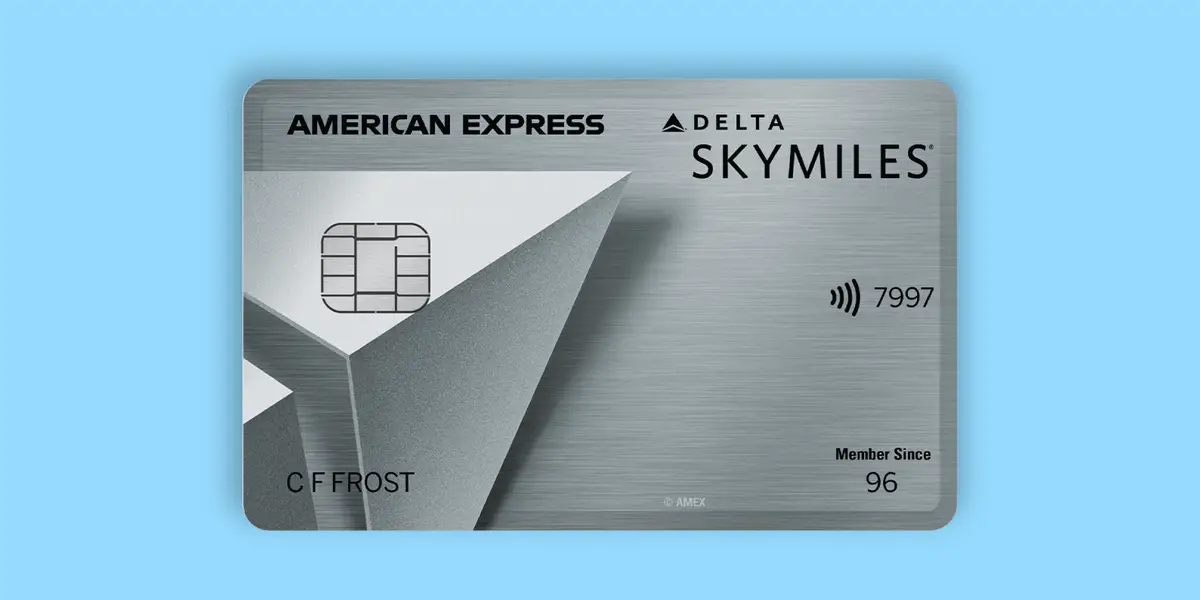
A significant draw of credit cards lies in their lucrative rewards systems. Engaging with financial institutions can unlock an array of perks, from travel points and cashback rewards to discounts on various retail purchases. Some of the most popular credit cards in the U.S. include offerings from major banks like American Express, which provides perks tailored for frequent travelers, and Discover, which focuses on cashback rewards in rotating categories. Here’s a snapshot of how a rewards program can benefit consumers:
- Cashback Rewards: Many cards return 1% to 5% of purchases, incentivizing users to use credit cards for everyday spending.
- Travel Rewards: Cards that offer miles or points redeemable for flights or hotel stays cater especially to those who travel frequently.
- Introductory Offers: New cardholders may receive bonus points or cashback for meeting certain spending thresholds within the first few months.
However, it’s worth remembering that to truly benefit from rewards programs, consumers must remain vigilant and avoid overspending. Engaging in responsible spending habits ensures that the rewards don’t come at the cost of accruing high interest or fees.
Enhanced Consumer Protections
Using credit cards also offers additional consumer protections, which can be particularly advantageous. Many cards provide fraud protection, meaning that if your card is lost or stolen, you may not be liable for unauthorized charges if reported promptly. Additionally, credit cards can offer extended warranties on purchases or travel insurance, offering peace of mind while you spend. These attributes of credit cards serve to enhance the overall consumer experience, making them a more secure option for many transactions.
In summary, while credit cards are multifaceted tools that offer benefits in credit building and financial management, they require informed and responsible usage. Whether it’s understanding credit utilization, leveraging rewards programs, or taking advantage of consumer protections, being knowledgeable about these elements can set consumers on a path toward a more secure and rewarding financial future.
DISCOVER MORE: Click here to learn how to apply
Weighing the Risks of Credit Card Usage
While credit cards undoubtedly serve as powerful instruments for personal credit building, they are not without their drawbacks. Mismanagement of credit accounts can lead to substantial financial woes, which is why it’s essential for consumers to be mindful of the potential pitfalls associated with credit card usage. One of the most pressing risks is the accumulation of debt. When users rely excessively on credit cards for purchases without a robust repayment strategy, they can find themselves in a cycle of high-interest debt that snowballs quickly. According to the Federal Reserve, as of mid-2023, the average credit card interest rate stands at around 18.5%. For consumers who fail to pay off their balances monthly, interest charges can mount rapidly, negating the benefits of any rewards accrued.
Beyond debt, credit cards can also affect credit scores negatively if used irresponsibly. Late payments, exceeding credit limits, or failing to make at least the minimum payment can lead to lower credit scores, which in turn can impact one’s ability to secure loans or favorable interest rates in the future. The Fair Isaac Corporation’s FICO Score, a prevalent credit scoring model, can be heavily influenced by these factors, emphasizing the importance of timely payments and responsible usage.
The Hidden Costs of Credit Cards
Another con associated with credit cards is the presence of hidden costs. Many credit cards come with annual fees, and while some may justify the cost with better rewards, others may not offer sufficient benefits for the average user. Furthermore, the temptation to incur cash advances can also lead to added expenses, as these typically carry higher interest rates and start accruing interest immediately, with no grace period. Consumers must read the fine print and fully understand the terms associated with their credit cards to mitigate these extra costs effectively.
Moreover, there is the risk of identity theft and fraud. Despite enhanced consumer protections, breaches in data security can expose personal information, leading to unauthorized transactions. Consumers must remain vigilant and proactive about monitoring their statements and credit reports. The Federal Trade Commission recommends checking your credit report at least once a year to spot any discrepancies or fraudulent activities.
Psychological and Behavioral Aspects
Lastly, the psychological impacts of using credit cards cannot be overlooked. The ease of swiping a card can lead to unconscious spending habits, where individuals purchase items they may not need. Studies have shown that people tend to spend more when using credit cards compared to cash due to the detachment from immediate physical money loss. This behavioral tendency can create financial strain and affect one’s overall financial health.
As credit card usage carries both significant potential benefits and tricky drawbacks, navigating these waters requires a fine balance. Educating oneself on the risks, setting clear spending limits, and committing to regularly monitor spending are pivotal strategies for ensuring that the use of credit cards serves as a launchpad for building and maintaining strong credit rather than a gateway to financial distress.
DISCOVER MORE: Click here for detailed application steps
Final Thoughts on Credit Card Utilization
In conclusion, the decision to use credit cards as a tool for personal credit building is multifaceted, laying out a pathway enriched with both opportunities and challenges. While the advantages of responsibly managing credit cards—such as fostering a healthy credit score, accessing rewards, and gaining financial flexibility—are evident, the associated risks cannot be underestimated. The potential for debt accumulation, the impact of negative credit behavior, hidden costs, and even psychological factors like impulsive spending present valid concerns for consumers navigating this credit landscape.
To maximize the benefits of credit cards while minimizing risks, individuals should approach them with a well-defined financial strategy. Engaging in practices such as setting strict limits on spending, making timely payments, and actively monitoring one’s credit report can create a positive cycle of credit building. Additionally, consumers should remain informed about the financial products they utilize, weighing annual fees against potential rewards to ensure that their credit cards serve their financial objectives.
As credit card use continues to evolve in a rapidly changing financial landscape, staying educated about best practices is paramount. The potential to build and improve credit through strategic card usage remains a compelling reason to consider credit cards seriously. Ultimately, informed decision-making and disciplined habits will pave the way for a robust financial future where the rewards of credit use far outweigh the risks.

Linda Carter
Linda Carter is a writer and expert known for producing clear, engaging, and easy-to-understand content. With solid experience guiding people in achieving their goals, she shares valuable insights and practical guidance. Her mission is to support readers in making informed choices and achieving significant progress.