
Privacy in Times of Surveillance: The Impact of New Cybersecurity Technologies on Daily Life
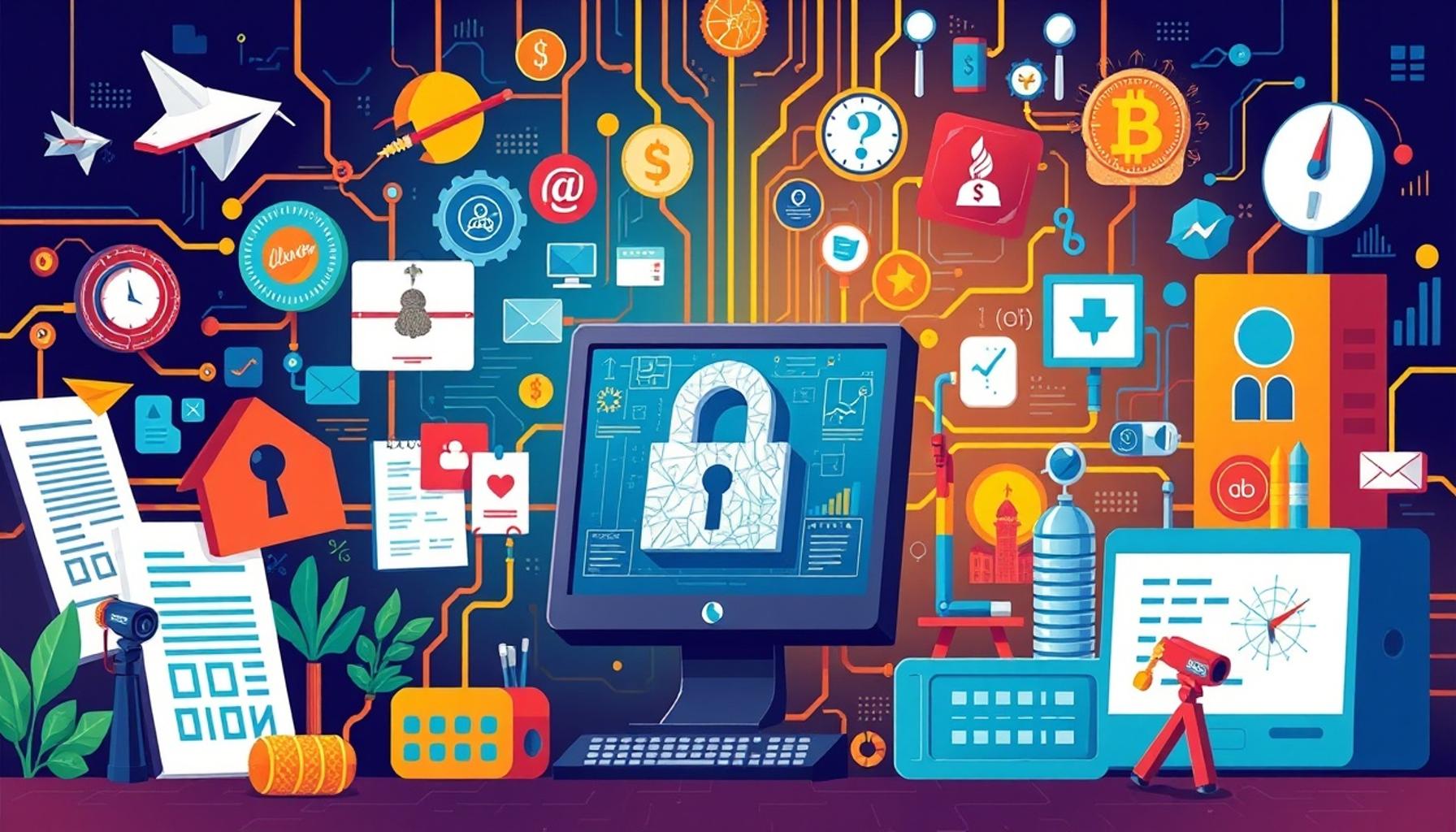
The Importance of Privacy in a Technologically Advanced Society
As technology continues to advance at an exponential rate, our understanding of privacy becomes increasingly intricate. In the United States, innovations in cybersecurity technologies have significantly transformed how we think about and experience personal privacy. While these technologies are designed to protect us, they often raise critical questions about the trade-offs between enhanced security and individual freedoms.
One of the primary concerns surrounding privacy is data collection. Every time we make an online purchase, scroll through social media, or even use a search engine, we generate mountains of data. Companies collect this information to analyze consumer behavior, personalize marketing efforts, and improve services. For example, when you search for a product online, not only does the retailer gain insights into your preferences, but this data can also be shared with third parties, often without your explicit consent. This prompts significant concerns over who has access to our information and how it is used.
Another critical area is facial recognition technology. Law enforcement agencies are increasingly adopting this tool to monitor public spaces. Cameras equipped with facial recognition software can identify individuals in real time, which might aid in crime prevention. However, such surveillance occurs often without the individual’s knowledge or consent, raising ethical questions about the right to privacy in public settings. Imagine walking through a bustling city and being identified by a system that monitors your movements – while it might help in enhancing safety, the implications for personal freedom are substantial.
Furthermore, the impact of geolocation services cannot be overlooked. Many mobile applications request access to our location data to offer tailored experiences, such as route navigation or local restaurant suggestions. However, this constant tracking can pose risks, particularly regarding personal safety. In scenarios where location data is accessed by malicious actors, individuals may become vulnerable to stalking or harassment. It’s crucial to understand that while these services offer convenience, they also demand careful consideration of how much information we are willing to share.
These advancements in technology enhance our security but often come at the expense of our personal liberties. As we navigate this complex digital landscape, we must advocate for a balance between fulfilling security needs and preserving our right to a private life. This discussion is not merely academic; it impacts everyone’s daily life in a profound way. By examining how these technologies affect our experiences, we can contribute to the ongoing debate surrounding the importance of privacy rights in modern society.
DISCOVER MORE: Click here for application tips
Navigating the Landscape of Data Collection
The sheer volume of data collection that occurs in our daily lives is staggering. In a world dominated by digital interactions, users often overlook how their personal information is gathered, stored, and sometimes misused. From social media platforms to online shopping, our digital footprints expand with every click and swipe. This data is not just incidental; it forms a treasure trove for companies and agencies eager to analyze patterns, enhance services, and target marketing strategies.
For instance, consider a common practice: when you shop online, retailers often require you to create an account. As a result, they collect not just your name and email address, but also your shopping history, preferences, and even purchase patterns. This information serves a purpose beyond personalizing your shopping experience; it can be sold to third-party advertisers who aim to target potential customers more effectively. Thus, each time you engage with a brand, a part of your privacy is bartered for what may be perceived as better service.
The implications of such data collection extend into the realm of predictive analytics, where algorithms analyze consumer behavior to forecast future activities. For example, if you frequently search for dog supplies online, algorithms might suggest pet grooming services and local dog parks, tailoring your browsing experience. While this can make our lives easier, it can also create a situation where we feel as though we’re being watched, leading to a discomfort many people prefer to avoid.
Risks Associated with Excessive Data Collection
Understanding the risks of excessive data collection is essential in safeguarding personal privacy. Here are several key concerns:
- Identity Theft: The more data that is collected, the more attractive a target you become for cybercriminals. Personal information such as your name, address, and financial details can be sold on the dark web.
- Loss of Anonymity: The ability to browse the internet anonymously is swiftly diminishing. Many websites use tracking cookies to monitor user behavior, reducing the anonymity people once enjoyed online.
- Data Misuse: Even if data is collected legally, it can still be misused. Companies may use your information in ways you did not intend or may not have consented to, raising ethical concerns.
In addition to these risks, the sheer act of data collection can alter behavior. Awareness that online activities are being monitored often causes individuals to self-censor, inhibiting open communication and exploration of ideas. This phenomenon can substantially impact our daily activities—how we express ourselves online, the websites we visit, and the opinions we share. As we navigate a world where not only social norms but also legal frameworks are adapting to these changes, it becomes crucial for individuals to remain informed and proactive about managing their privacy rights.
As we delve deeper into how cybersecurity technologies shape our daily lives, it is essential to strike a balance between benefiting from these advancements while protecting our fundamental right to privacy. With vigilance and awareness, we can better navigate this complex landscape and advocate for more considerate approaches to technology that respect individual liberties.
DISCOVER MORE: Click here to dive deeper
The Role of Cybersecurity Technologies in Protecting Privacy
As digital surveillance escalates, the development of cybersecurity technologies becomes crucial in promoting and safeguarding personal privacy. From encryption to anonymization tools, these technologies play a pivotal role in empowering users to retain control over their data. Understanding how these technologies function allows individuals to better navigate the complexities of the digital world and make informed decisions regarding their online interactions.
One of the forefront tools in the fight for privacy is data encryption. At its core, encryption transforms information into a code, preventing unauthorized users from accessing it. Examples like end-to-end encryption in messaging apps such as WhatsApp or Signal demonstrate how users can engage in confidential communications without fear of interception. When messages are encrypted, only the intended recipient can decrypt the information, making it significantly harder for hackers or even service providers to access private conversations.
Another critical innovation is the use of virtual private networks (VPNs). VPNs create secure connections to the internet by routing users’ data through a remote server before reaching its final destination. This process not only masks the user’s IP address but also encrypts the data being transmitted, making it more challenging for third parties, such as internet service providers or nefarious actors, to monitor online activities. VPNs have gained popularity among people who wish to maintain anonymity while browsing, especially in regions with strict internet regulations.
The Rise of Privacy-Focused Technologies
In response to growing concerns over surveillance and data collection, a wave of privacy-focused technologies has emerged. Browsers like Brave promote privacy by blocking tracking cookies and advertisements by default, allowing users to surf the web with less concern about being followed. Similarly, search engines such as DuckDuckGo have gained traction for their commitment to user privacy; they don’t track individual searches or build user profiles, offering a less invasive alternative to traditional search engines.
Moreover, with the growth of Artificial Intelligence (AI), we are witnessing the development of advanced privacy-preserving techniques like differential privacy. This method allows companies to gather insights from user data without compromising personal information by adding calculated noise to individual data points. For example, when analyzing user trends to improve service, differential privacy enables the collection of aggregated information while ensuring that individual users remain anonymous. Such advancements highlight the significance of evolving cybersecurity practices to meet privacy demands.
Another noteworthy trend is the integration of biometric authentication systems, such as facial recognition and fingerprint scanners. While these technologies provide enhanced security, they also come with privacy implications. For instance, using facial recognition in public spaces raises alarms about potential misuse and mass surveillance. It is vital for society to strike a careful balance between the security benefits of biometric systems and the ramifications for personal privacy.
As we embrace these cutting-edge cybersecurity technologies, it’s important to remain vigilant and proactive. Awareness of how these tools can enhance or compromise our privacy empowers users to make informed choices about their digital habits. By understanding both the potential benefits and risks associated with these technologies, individuals can better protect their personal information in an increasingly surveilled world.
DISCOVER MORE: Click here to learn how to apply
Conclusion
In an age where surveillance is a growing reality, the importance of privacy has never been more pronounced. As individuals, we find ourselves navigating a digital landscape filled with both opportunities and risks. The advancements in cybersecurity technologies offer potential solutions to protect our personal information and maintain a level of confidentiality in our daily interactions. Tools such as encryption, which secures data by transforming it into an unreadable format, and VPNs (Virtual Private Networks), which mask our internet activity and location, empower users by providing them with greater control over their data.
However, it is crucial to remain aware of the associated challenges. For instance, while biometric authentication, like fingerprint or facial recognition, enhances security by ensuring that only authorized users have access, it also raises new privacy concerns. A significant concern is the potential for misuse of biometric data, which is unique and, unlike passwords, cannot be changed if compromised. Balancing the benefits of these innovations with the potential for misuse is essential in fostering a society that respects personal boundaries while still ensuring safety.
As we move forward, it’s imperative for individuals to stay informed and proactively engage with these technologies. By understanding their functionalities and implications, such as the importance of regularly updating security software and recognizing phishing attempts, we can make conscious choices that reflect our values regarding privacy and security. For example, opting for services that prioritize user data protection can enhance our online safety without compromising our personal information.
Ultimately, embracing cybersecurity technologies while advocating for robust privacy protections can help create a digital environment that respects both our need for security and our fundamental right to privacy. It is through education and vigilance that we can protect ourselves in an increasingly connected world, ensuring that our personal information remains within our control.

Linda Carter
Linda Carter is a writer and expert known for producing clear, engaging, and easy-to-understand content. With solid experience guiding people in achieving their goals, she shares valuable insights and practical guidance. Her mission is to support readers in making informed choices and achieving significant progress.