
The Future of Mobility: How Autonomous Vehicles Are Transforming Urban Transportation
Understanding the Impact of Autonomous Vehicles
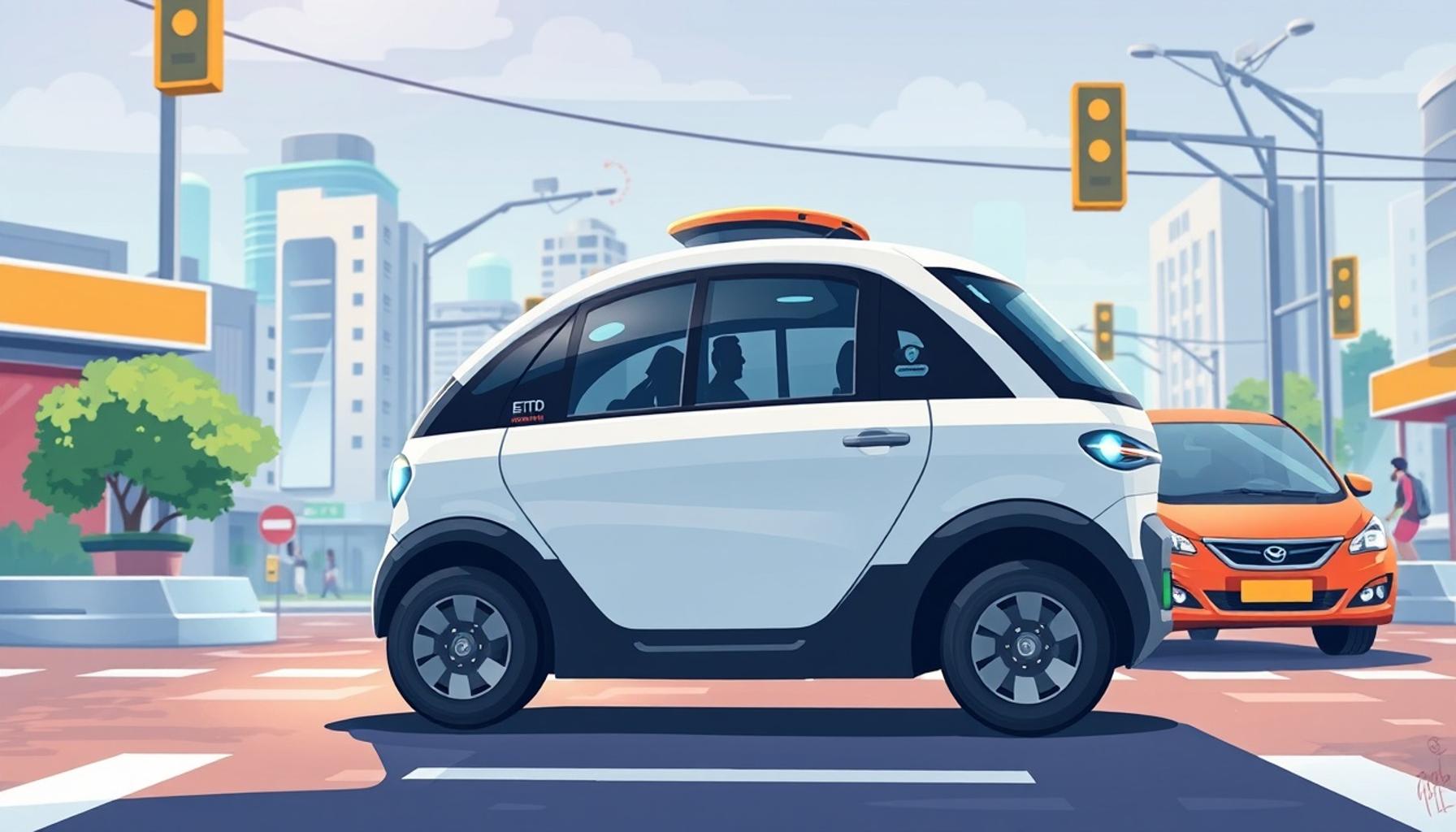
The landscape of urban transportation is evolving rapidly, and at the forefront of this transformation are autonomous vehicles. These self-driving cars and buses promise to revolutionize how we navigate our cities, offering numerous benefits that can reshape our daily commutes. As technology continues to advance, the integration of these vehicles into our urban fabric presents both exciting opportunities and challenges.
Safety Improvements
One of the most compelling advantages of autonomous vehicles is the potential for enhanced safety on the roads. According to the National Highway Traffic Safety Administration (NHTSA), over 90% of traffic accidents in the United States are attributed to human error. Autonomous vehicles utilize advanced sensors, cameras, and algorithms to make split-second decisions that can prevent collisions. For example, if an object suddenly appears in the road, a self-driving car can react much faster than a human driver, drastically reducing the likelihood of accidents.
Traffic Flow Optimization
Autonomous vehicles can also improve traffic flow through real-time data processing and communication with one another. Imagine a fleet of self-driving cars coordinating their speeds and routes to minimize stop-and-go traffic. This connectivity could lead to smoother traffic patterns, reduced congestion, and shorter commute times. For example, cities like San Francisco are experimenting with connected vehicle technology, which allows cars to share information about traffic conditions, resulting in a more efficient urban environment.
Environmental Impact
Another significant benefit of autonomous vehicles lies in their potential for reducing environmental damage. Many of these vehicles are electric, which contributes to a decrease in greenhouse gas emissions. In a country like the United States, where transportation accounts for nearly 29% of total greenhouse gas emissions, the shift towards electric autonomous vehicles could play a crucial role in achieving sustainability goals. As cities invest in charging infrastructure, the long-term impact of these vehicles can lead to cleaner air and a healthier environment.
Integration in Urban Planning
Beyond technology, the integration of autonomous vehicles presents new opportunities for urban planning. Traditional public transportation systems can be enhanced with autonomous shuttles that provide last-mile connectivity, making it easier for residents to reach their destinations. Additionally, streets and public spaces may be redesigned to accommodate these vehicles while prioritizing pedestrian safety. For instance, cities like Austin, Texas, are focusing on developing more pedestrian-friendly areas, which can encourage walking and biking alongside autonomous vehicle use.
Cost Savings and Economic Considerations
As autonomous vehicles become more prevalent, we can also expect significant cost savings for individuals and society as a whole. With a reduced need for personal car ownership, many people may opt for ride-sharing services, leading to decreased expenses related to vehicle maintenance, insurance, and fuel. This shift could also stimulate local economies as businesses adapt to a new transportation landscape.
The future of mobility is not only on the horizon; it is arriving faster than we might expect. As we delve deeper into the implications of autonomous vehicles, it becomes evident that they hold the potential to redefine urban living, making our cities safer, more efficient, and environmentally friendly.
DIVE DEEPER: Click here for an in-depth look
Redefining Urban Mobility: The Benefits of Autonomous Vehicles
The adoption of autonomous vehicles in urban areas is set to drastically change how we move around our cities. With innovations continuously emerging, understanding the various benefits of these technologies is essential. As we explore the future of mobility, it becomes clear that autonomous vehicles will not only enhance our transportation systems but will also foster a range of societal advancements.
Enhanced Accessibility
One of the most profound impacts of autonomous vehicles is their ability to improve accessibility for all citizens. Traditional public transport systems can often leave gaps that detrimentally affect those with limited mobility, the elderly, or individuals who cannot afford a personal vehicle. With the introduction of ride-sharing autonomous shuttles, individuals can access transportation with greater ease and convenience.
- Mobility for the elderly: Autonomous vehicles can provide a reliable means of transportation for seniors, enabling them to remain independent while accessing essential services.
- Support for those with disabilities: Customized self-driving vehicles can be designed to accommodate wheelchairs and other assistive devices, bridging the gap in transportation options.
- Reducing inequities: By providing affordable and efficient ride-sharing initiatives, cities can help reduce urban transport disparities that often disproportionately affect low-income communities.
Shifting Urban Design Paradigms
The introduction of autonomous vehicles also challenges existing urban design paradigms. As cities begin to rely less on personal vehicle ownership, we can expect a transformation in how public spaces are utilized. For instance, parking lots and garages, which consume substantial real estate, could be converted into parks or community spaces. This change fosters not just aesthetic enhancement but also promotes a higher quality of life for residents.
Moreover, the reduction of on-street parking needs could result in wider sidewalks and bike lanes. Cities like New York are already seeing early experiments aimed at creating more pedestrian-friendly environments, which can simultaneously accommodate autonomous vehicles. With a focus on integrating green spaces and pedestrian thoroughfares, urban planners will have the opportunity to create healthier, more walkable cities.
Economics of Autonomous Mobility
The economic implications of autonomous vehicles are far-reaching. As previously mentioned, lowering the need for personal vehicle ownership can result in substantial savings for individuals. This shift can have a ripple effect, impacting various sectors:
- Insurance companies: With fewer accidents and claims, traditional auto insurance models will need to evolve.
- Automotive industry: Car manufacturers will pivot focus toward technology and software development, rather than solely vehicle production.
- Employment shifts: While some job sectors may face disruption, new opportunities will emerge within technology, fleet management, and urban planning.
In conclusion, autonomous vehicles hold immense potential to not only transform transportation but also redefine our urban landscapes. Their implementation can foster greater accessibility, push for innovative urban design, and stimulate economic growth, ultimately setting the stage for a future in which mobility is smarter, safer, and more sustainable for everyone.
DISCOVER MORE: Click here for insights on social media regulation
Security and Safety: Changing the Face of Urban Transport
One of the most significant promises of autonomous vehicles (AVs) is the potential to enhance safety on our urban roads. With a staggering number of accidents attributed to human error each year—reportedly around 94% according to the National Highway Traffic Safety Administration—autonomous vehicles offer a technology-based solution to this persistent problem. By integrating AI and advanced sensor systems, AVs can process vast amounts of data instantaneously, making decisions that can minimize the risk of collisions.
Collision Reduction
Autonomous vehicles are designed to detect obstacles, pedestrians, and other vehicles with precision. The use of technologies like LIDAR, radar, and cameras enables AVs to maintain a 360-degree awareness of their surroundings. This capability can significantly reduce accidents caused by factors such as distracted driving, speed, or impaired judgment. For instance, studies have shown that levels of seriousness in incidents involving AVs can decrease because they consistently adhere to traffic laws and react more quickly than a human driver.
- Emergency braking systems: AVs equipped with advanced braking technologies can respond faster than a human, potentially avoiding accidents entirely.
- Real-time data sharing: V2X (Vehicle-to-Everything) communication allows autonomous vehicles to share vital information with each other and infrastructure, meaning they can anticipate traffic conditions and avoid dangerous situations.
- Reducing pedestrian fatalities: With features like pedestrian recognition, AVs can drastically lower the number of accidents involving vulnerable road users.
Environmental Impact and Sustainability
In addition to enhancing safety, autonomous vehicles hold the promise of reducing environmental impact. Traditional vehicles are major contributors to urban air pollution and carbon emissions. With widespread adoption of AVs, cities have an opportunity to shift toward electric and shared mobility solutions, decreasing the dependence on fossil fuels.
With the ability to optimize routes and reduce congestion, autonomous vehicles can also lead to lower emissions overall. By communicating with one another, AVs can coordinate movements more effectively than traditional vehicles, leading to less stop-and-go traffic, which is notoriously inefficient and fuel-consuming.
- Shared mobility: Policies encouraging ride-sharing can lead to fewer cars on the road, minimizing congestion and further reducing pollution.
- Integration of electric vehicles: Autonomous technology is often paired with electrification, enhancing the sustainability of the entire transportation ecosystem.
- Smart traffic management: Cities utilizing AV data can create smarter traffic systems, shifting traffic patterns in real time to optimize flow and reduce delays.
Social Changes and New Opportunities
The emergence of autonomous vehicles is not merely a shift in how we commute; it is also a catalyst for broader social changes. As we redefine urban mobility, it may lead to new cultural norms surrounding transport. The need for personal car ownership might diminish, changing our approach to how we think about commuting.
Additionally, the implementation of AVs could create new job opportunities in sectors that support and manage this technology. As the demand for qualified personnel increases, new educational pathways will surface, focusing on tech maintenance, software development, and urban planning careers tailored to the AV landscape.
- Emerging roles: Job openings in fleet management, user experience design for mobile apps, and data analysis will grow, providing pathways for skilled workers.
- Collaboration with local governments: Partnerships between AV companies and municipalities will foster innovative public transit solutions, creating more personalized and effective transportation options.
- Changes in lifestyle: As people shift to shared, autonomous, and electrified transport modes, leisure and commuting habits are bound to change, enabling a more integrated lifestyle.
DISCOVER MORE: Click here for essential budgeting tips
Conclusion
The advent of autonomous vehicles (AVs) is set to redefine urban mobility in profound ways. By drastically improving road safety and aiming to minimize human error, AVs offer a promising path toward reducing traffic accidents, which remains a pressing issue in cities across the United States. As these vehicles employ cutting-edge technologies such as real-time data sharing and advanced sensors, we are likely to see a future where incidents on the roads diminish significantly.
Moreover, as cities grapple with the challenges of environmental sustainability, AVs could serve as pivotal players in enhancing urban air quality and reducing greenhouse gas emissions. With their potential for shared mobility and efficient routing, autonomous vehicles might alleviate congested roads and lessen our reliance on fossil fuels, creating healthier urban ecosystems.
Furthermore, the shift toward AVs may catalyze social change by transforming how we view car ownership and commuting. Emphasizing shared mobility could lead to new lifestyles, enabling individuals to utilize transportation in a more integrated manner that combines convenience and sustainability. Additionally, the emergence of AV technology could lead to an influx of job opportunities in tech and urban planning sectors, catering to the new demands of this evolving industry.
As we look ahead, it becomes clear that the future of mobility is not just about self-driving cars; it encompasses a broader vision for the type of cities we want to create. Continuously embracing innovation and collaboration with local government will be essential to ensuring that autonomous vehicles contribute positively to our urban environments, enriching the lives of all residents.

Linda Carter
Linda Carter is a writer and expert known for producing clear, engaging, and easy-to-understand content. With solid experience guiding people in achieving their goals, she shares valuable insights and practical guidance. Her mission is to support readers in making informed choices and achieving significant progress.