Prevent Pet Diseases Essential Vaccination Regular Care Tips
Pet owners often find themselves in a whirlwind of responsibilities, from feeding to grooming, but one of the most crucial aspects of pet care lies in disease prevention. Understanding the importance of vaccinations and regular health check-ups can significantly reduce the risk of common pet illnesses. Not only do these measures protect your furry companions, but they also promote a longer, healthier life.
The relevance of preventive care in pets cannot be overstated:
- Vaccinations can prevent serious diseases like rabies, parvovirus, and distemper.
- Regular veterinary check-ups help in early detection of health issues.
- Routine care, including diet and exercise, enhances overall well-being.
It’s essential for pet owners to stay informed about the best strategies to keep their pets safe and healthy. In this article, we will delve into the Top 5 tips for ensuring your pet remains protected against common diseases, blending expert advice with practical steps you can take. Get ready to equip yourself with vital knowledge that could make all the difference for your beloved pet.
Top 5: Prevention of Common Diseases in Pets – Vaccination and Regular Care
As pet owners, it’s crucial to safeguard our furry friends from common diseases that can lead to serious health issues. Understanding the importance of vaccination and regular care not only helps in maintaining their health but also prolongs their life. In this article, we delve into the top five ways to prevent common diseases in pets, taking you from the essential yet overlooked aspects to the absolute must-haves for a healthy pet life.
5. Regular Health Check-ups
Scheduling regular health check-ups plays a significant role in preventing diseases in pets. Much like humans benefit from annual physicals, pets require routine visits to the veterinarian to assess their overall health. These check-ups often include thorough examinations, vaccinations, and necessary screenings to keep diseases at bay.
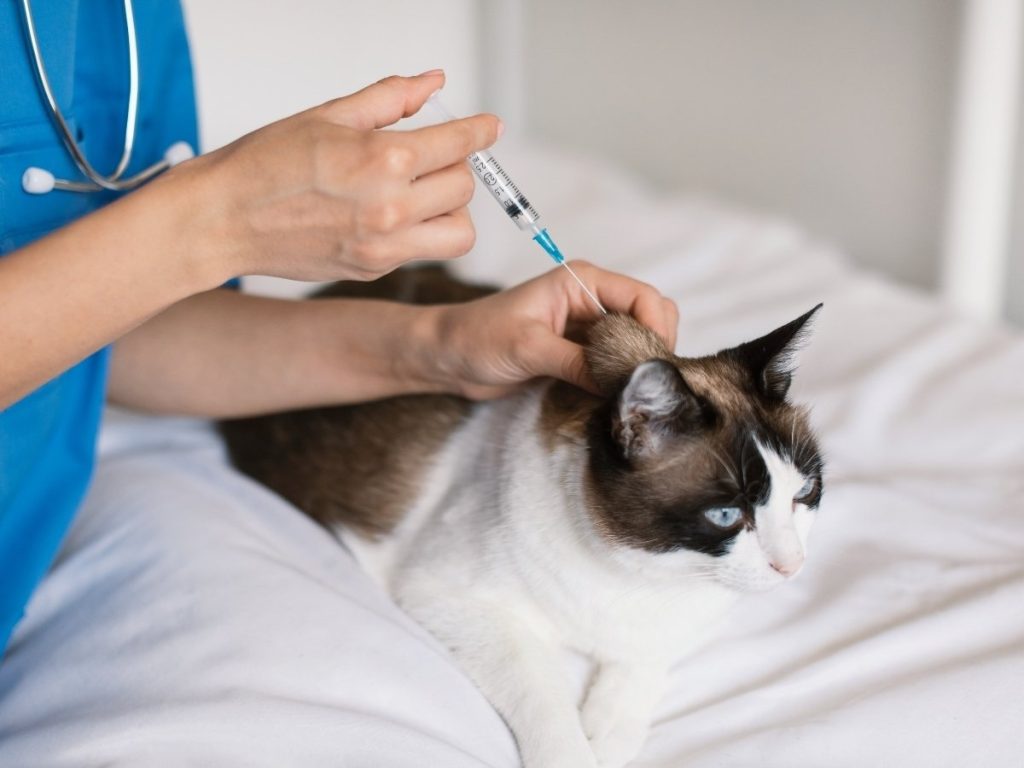
- Physical exams to identify potential health concerns before they develop into serious issues.
- Weight checks to prevent obesity-related diseases, which are increasingly common and can lead to arthritis, diabetes, and other health problems.
- Dental health assessments that are crucial for longevity, as dental disease can lead to heart, liver, and kidney issues.
By promptly identifying health issues, pet owners can ensure their furry companions have a better quality of life. Regular visits to the vet mean any developing diseases can be caught early on, leading to more effective treatment options. These visits are also a prime opportunity to discuss any behavior changes or concerns you may have, further emphasizing their importance.
4. Understanding Core Vaccinations
Knowing about core vaccinations is essential for responsible pet ownership. Vaccines protect pets from several fatal diseases that can spread rapidly and unpredictably. For dogs, these vaccines typically include Rabies, Parvovirus, and Distemper. For cats, crucial vaccinations include Feline Panleukopenia, Rabies, and Feline Herpesvirus.
Core vaccinations not only prevent severe illnesses but also contribute to herd immunity, helping to protect unvaccinated animals as well. Staying informed about when and how often these vaccinations should be administered is vital to keeping your pet safe and healthy. Discussing your pet’s lifestyle and environment with the veterinarian can help tailor a vaccination schedule that best suits their needs.
3. Parasite Prevention
Parasite prevention is integral to your pet’s health. Fleas, ticks, and worms can lead to severe medical conditions if left unchecked. Implementing preventative measures is critical. Preventative medications are available and should be administered regularly based on your veterinarian’s recommendations, which may vary depending on your geographical location and the specific threats it poses.
- Flea and tick treatments that reduce itching, disease transmission, and can even prevent life-threatening conditions like Lyme disease and flea anemia.
- Heartworm prevention that can save your pet’s life, as heartworm disease can be fatal and treatment is lengthy and costly.
- Worming treatments that protect against intestinal parasites such as roundworms and hookworms, which can cause severe digestive issues.
By proactively managing parasites, owners can prevent discomfort and health issues for their pets, leading to a healthier and happier life. Regular check-ups and staying informed on the latest preventative treatments available are key components in keeping parasites at bay.
2. Proper Nutrition and Exercise
Maintaining a well-balanced diet and an active lifestyle is another cornerstone of preventing diseases. Obesity can lead to several health complications, such as diabetes, joint problems, and decreased life expectancy, making proper nutrition and exercise a priority for pet owners. It is essential to ensure pets consume a nutritionally balanced diet tailored to their age, size, and activity level. Such a diet can prevent deficiencies and supply the necessary nutrients for optimal health.
Regular exercise, on the other hand, helps in maintaining a healthy weight and can also combat behavioral issues. Engaging your pet in daily activities such as walks, playtime, or agility training boosts not only physical health but mental well-being as well. Modern pet care trends highlight the importance of mental stimulation, which can be achieved through interactive toys and training that engages your pet’s intelligence.
1. Comprehensive Vaccination Schedule
At the top of our list is the necessity of maintaining a comprehensive vaccination schedule, which directly contributes to preventing common diseases in pets. This schedule is tailored specifically to each pet, considering their age, health status, and lifestyle. Consult with your veterinarian to develop a plan that accounts for local disease threats and the pet’s specific risk factors.
Incorporating vaccinations such as Bordetella for dogs and Feline Leukemia for cats ensures that these pets are protected against infectious diseases they may encounter in their environment. Establish a clear communication line with your veterinarian to stay updated on vaccination timelines, boosters, and any new vaccines that may become available over time, adapting the plan as necessary to meet the pet’s evolving needs.
In conclusion, by placing emphasis on vaccination and regular health care routines, pet owners can significantly decrease the likelihood of their furry friends contracting common diseases. Your pet’s health is a responsibility illuminated by knowledge and proactive care. Stay informed and ensure your pet thrives with these essential preventive measures. By investing time and care now, you’re not just increasing your pet’s health but enhancing their happiness and quality of life in the years to come.
| Category | Details |
|---|---|
| Vaccination Benefits | Vaccination protects pets from preventable diseases such as rabies, distemper, and parvovirus, vastly improving their life expectancy and quality of life. |
| Regular Check-ups | Scheduled vet visits allow for early detection of health issues, ensuring that conditions like diabetes or kidney diseases are identified before they become severe. |
| Parasite Control | Regular treatments for fleas, ticks, and worms help prevent infections that could severely affect pets’ health and hide more serious problems. |
| Nutrition and Weight Management | A balanced diet and maintaining a healthy weight can prevent issues such as obesity, which is a risk factor for several diseases including arthritis and heart problems. |
Frequently Asked Questions about Pet Disease Prevention: Vaccination and Regular Care
What are the essential vaccinations for pets, and why are they important?
Vaccinations play a crucial role in protecting pets from various infectious diseases. Essential vaccines for dogs typically include rabies, distemper, parvovirus, and adenovirus. For cats, core vaccines often cover feline herpesvirus, calicivirus, feline leukemia, and rabies. These vaccines are vital because they significantly reduce the risk of serious or fatal illnesses, many of which are not only contagious among animals but can also pose zoonotic risks to humans. By vaccinating your pet, you contribute to both their health and the wider community’s well-being.
How often should my pet undergo routine check-ups, and what do they typically involve?
It’s recommended that pets have a routine veterinary check-up at least once a year, though some pets, especially those older or with specific health conditions, may require more frequent visits. During these check-ups, veterinarians assess your pet’s overall health, perform physical examinations, and may suggest diagnostic tests such as bloodwork, urinalysis, or imaging. Regular check-ups are pivotal in detecting potential health issues early, allowing for prompt and effective intervention, which can improve the chances of managing or curing an ailment.
Are there specific care tips for maintaining a healthy lifestyle for my pet beyond vaccinations?
Beyond vaccinations, a balanced diet, regular exercise, and proper grooming are fundamental to maintaining your pet’s health. Ensure your pet receives a diet appropriate to their age, size, and health needs, and engage them in activities that stimulate both physical and mental health. Regular grooming helps prevent skin conditions and allows for early detection of lumps, psts, or skin conditions. Additionally, routine dental care is crucial for preventing periodontal disease, which, if left untreated, can lead to severe systemic issues.
Can vaccines cause side effects in pets? How should I monitor and respond to them?
While vaccinations are generally safe, they can occasionally lead to mild side effects, such as slight fever, reduced appetite, or swelling at the injection site. These reactions are typically short-lived. However, in rare cases, pets might experience allergic reactions, characterized by vomiting, diarrhea, facial swelling, or difficulty breathing. It is critical to immediately contact your veterinarian if you observe any severe or persistent reactions. Monitoring your pet closely for a day or two post-vaccination will ensure you can react timely if any unusual symptoms arise.
Conclusion: The Pillars of Pet Health
The journey through the intricacies of pet health highlights a pivotal truth—preventative care is not merely a recommendation but a necessity. Vaccination and regular check-ups emerge as critical components in safeguarding our beloved pets from a host of common illnesses.
Key takeaways include:
- Vaccination acts as the first line of defense, preventing severe diseases that can be both costly and emotionally distressing.
- Regular veterinary visits ensure that subtle signs of illness are caught early, allowing for timely interventions.
- The overall well-being of pets improves, leading to longer, healthier lives filled with shared moments of joy and companionship.
- Educating ourselves and keeping abreast of the latest veterinary guidelines is crucial for informed decision-making.
- Customized care plans, tailored to the specific needs of each pet, enhance the efficacy of preventive measures.
It is essential to recognize the holistic benefits of a proactive approach. Beyond the prevention of diseases, regular care contributes to a deeper bond with our pets, as consistent interaction and attention forge stronger relationships. Moreover, a well-maintained health regimen can avert potential health crises, offering peace of mind to pet owners.
As we consider the broader implications, it becomes clear that investing in preventive care is an investment in the quality of life for pets. With the advances in veterinary medicine and understanding of animal wellness, it behooves pet owners to stay informed and vigilant. Through this commitment, we not only protect our pets but also enhance the joy and fulfillment they bring into our lives.

Linda Carter
Linda Carter is a writer and pet care expert specializing in pet health, grooming, and wellness. With extensive experience helping pet owners create safe, loving, and enriching environments for their animals, Linda shares her knowledge on our platform. Her goal is to empower readers with practical advice and strategies to ensure their pets thrive and lead joyful, healthy lives.