
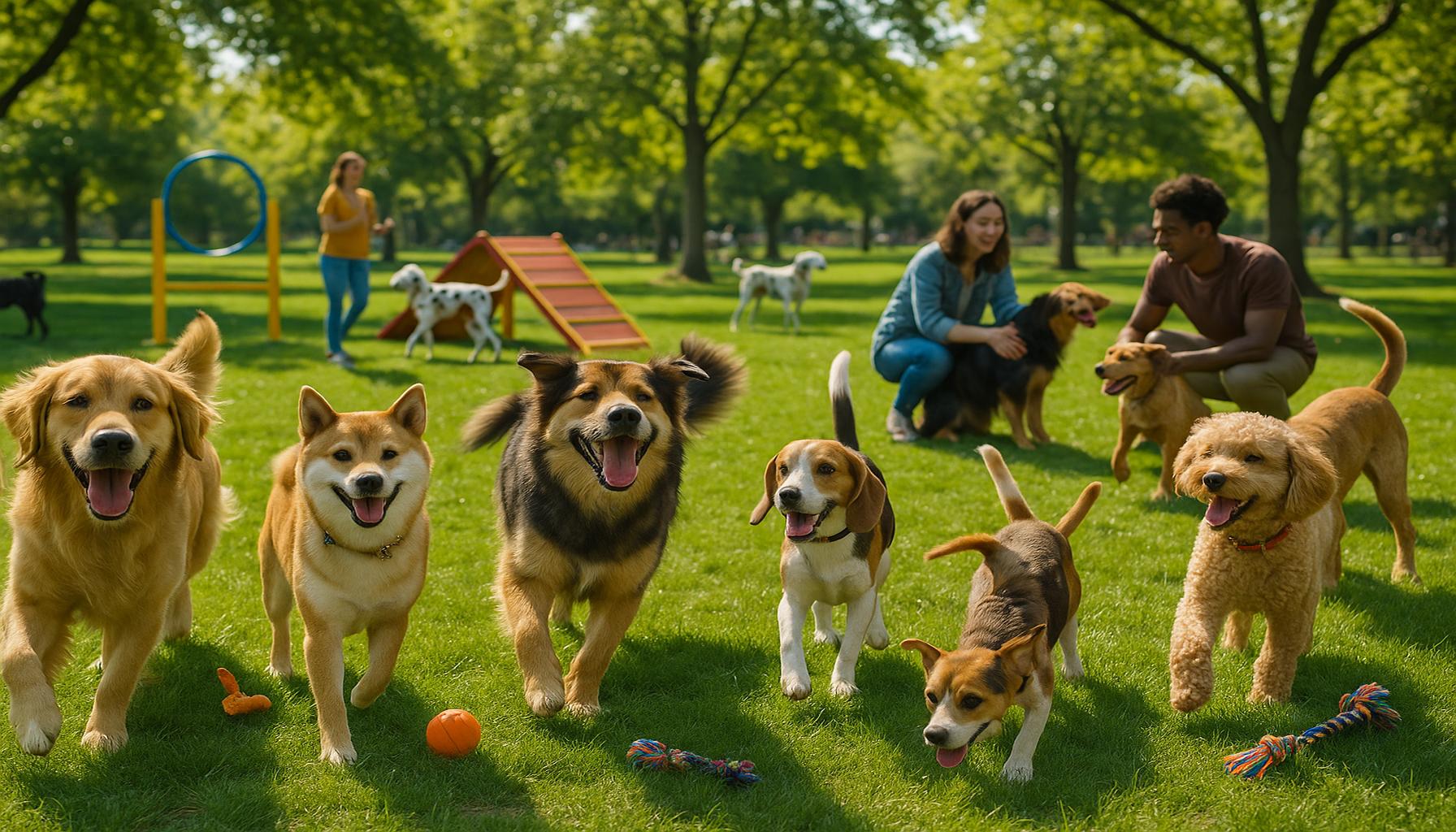
The social life of a dog can significantly influence its mental health.
Engaging with other dogs and humans helps them develop crucial skills that extend beyond basic obedience.
Through social interaction, dogs learn to navigate varied environments, reducing instances of anxiety and aggression.
Research indicates that dogs deprived of socialization may experience symptoms akin to depression, reflecting in their overall demeanor and behavior.
A well-socialized dog tends to show increased resilience, happier moods, and a more balanced psychological state, contributing to a better bond with their owners.
The intricate connection between socialization and dogs' mental health cannot be underestimated.
Through diverse interactions, dogs not only learn essential social skills but also develop emotional resilience, reducing anxiety and stress.
While socialization offers profound mental health benefits, its importance extends to improving behavioral habits and overall quality of life for our canine companions.
As responsible pet owners, understanding and facilitating this process encourages healthier, more harmonious relationships with our pets.
The journey to well-balanced dogs begins with intentional and positive social experiences, ensuring they thrive in both familiar and new environments.

Linda Carter is a writer and pet care expert specializing in pet health, grooming, and wellness. With extensive experience helping pet owners create safe, loving, and enriching environments for their animals, Linda shares her knowledge on our platform. Her goal is to empower readers with practical advice and strategies to ensure their pets thrive and lead joyful, healthy lives.