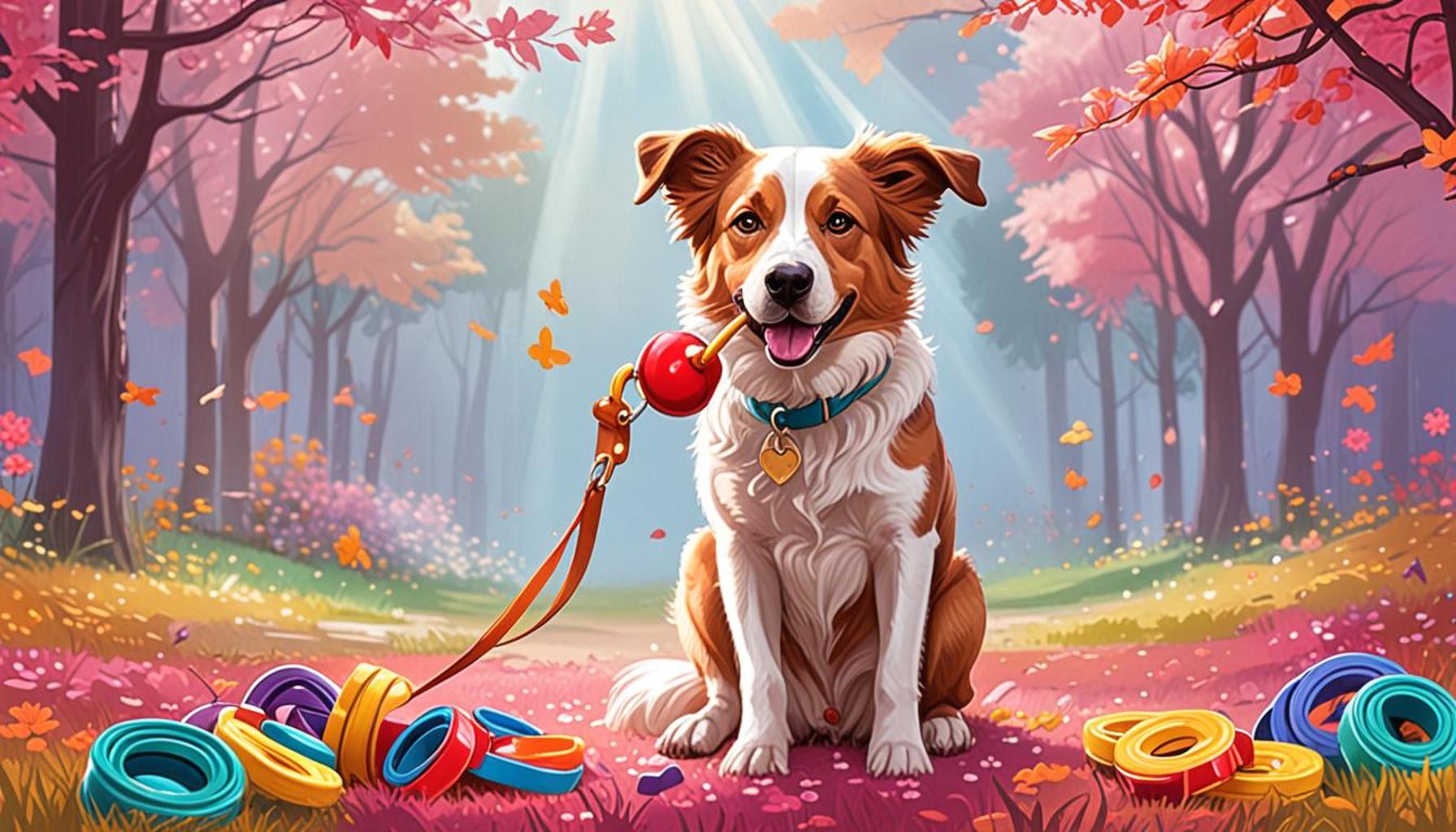
Tips for Teaching Your Dog to Walk on a Leash Without Pulling
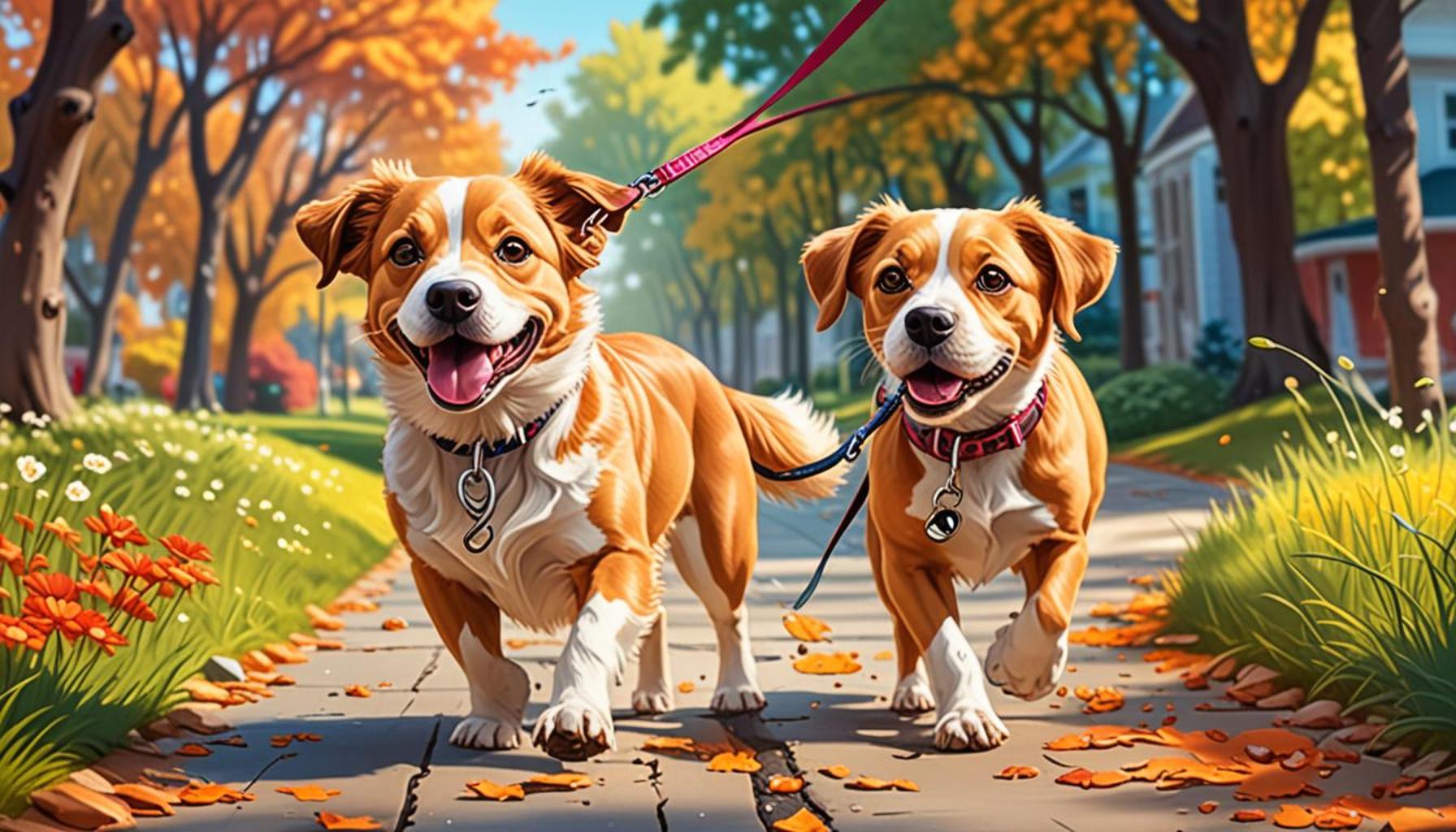
The Importance of Leash Training
Having a well-behaved dog on a leash is every pet owner’s dream. Unfortunately, many dogs tend to pull on the leash, turning simple walks into chaotic endeavors. This behavior can be frustrating, leading to sore arms and a less enjoyable experience for both the owner and the dog. However, by employing effective training strategies, it’s possible to teach your furry companion to walk calmly and obediently by your side.
Leash training is not simply about teaching your dog to heel; it’s a fundamental aspect of responsible pet ownership that involves understanding the dynamics of the human-animal relationship. Successfully managing your dog’s behavior on a leash offers several key benefits:
- Enhanced Safety: A dog that walks calmly on a leash is less likely to dart into traffic or become distracted by other animals, which reduces the risk of accidents.
- Stronger Bond: Training your dog can deepen the connection between you, fostering mutual respect and understanding.
- Less Stressful Outings: A well-trained dog makes for more enjoyable and relaxed walks, allowing both owner and pet to explore their surroundings comfortably.
Starting Ground: The Basics of Leash Training
To effectively teach your dog to walk on a leash without pulling, it’s essential to start with the basics. First, selecting the right equipment is crucial. Whether you choose a standard collar, a harness, or an Easy Walk harness, ensure it fits your dog comfortably and securely. Harnesses are particularly beneficial for dogs that tend to pull, as they distribute pressure more evenly across the body.
Next, positive reinforcement is a vital technique in leash training. Using treats and praise whenever your dog walks beside you reinforces desired behavior. For instance, if your dog remains by your side during a walk, rewarding them with a treat promotes the likelihood of that behavior occurring again. Consistency is also key; train regularly to instill good habits, gradually increasing the duration of the walks as your dog gets better at maintaining a calm demeanor.
Actionable Tips for Successful Leash Training
In this article, you will discover actionable tips and techniques that can transform your daily walks into enjoyable experiences. For example, practice the “stop-and-go” technique: whenever your dog starts to pull, come to a halt and wait for them to return to your side before you proceed. This method teaches them that pulling will not get them further ahead, thereby reinforcing calm walking.
Ultimately, understanding your dog’s behavior and implementing structured training exercises will lead you towards having a well-trained walking companion. Whether you’re strolling through a park or navigating city sidewalks, the right approach to leash training can significantly enhance the experience and ensure that both you and your dog enjoy every adventure together.
DISCOVER MORE: Click here to learn how technology is shaping our bond with pets</
Establishing a Strong Foundation for Leash Training
Before you embark on the journey to teaching your dog to walk on a leash without pulling, it’s important to lay a solid foundation. Understanding your dog’s behavior and energy levels plays a significant role in the effectiveness of your training. Dogs, like people, come with their own unique personalities and temperaments, and tapping into these traits will make your training sessions not only successful but also enjoyable for both of you.
Choosing the right approach starts with understanding your dog’s motivations. Some dogs are highly food-driven, meaning they will be more inclined to follow your commands if tasty rewards are involved. Others might respond better to praise or playtime as a form of reinforcement. Observing what gets your dog excited will help you tailor your training methods.
Creating a Positive Environment
When you begin your leash training, it’s essential to select a suitable environment free from distractions. A quiet neighborhood street, an empty park, or even your backyard can serve as ideal training grounds for your initial sessions. This allows your dog to focus on you rather than being preoccupied with other dogs, smells, or noises that may catch their attention.
Once you’ve established the right setting, consistency in your training routine is pivotal. Here are a few strategies that can help:
- Frequent Short Walks: Instead of long walks which can lead to overstimulation, opt for shorter, more frequent training sessions. This allows your dog to practice good behavior without becoming overwhelmed.
- Use a Variance of Routes: Change your walking routes occasionally to introduce new sights and smells that keep your dog engaged while reinforcing training lessons.
- Set Clear Expectations: Before heading out, clearly indicate to your dog when it’s time to walk. Use consistent verbal cues and body language to signal the start of your walking adventure.
Another vital tip to consider is utilizing a nice, calm demeanor during your training. Dogs are highly attuned to human emotions, and staying relaxed and confident will help your dog feel secure. If you encounter challenges during your training, it’s essential not to lose your temper or become frustrated. Instead, take a deep breath, recalibrate, and return to the fundamentals of your training plan.
By laying this groundwork with a clear understanding of your dog’s motivations, a positive training environment, and consistent routines, you set yourself and your dog up for success. With these foundational aspects in place, you’ll be ready to implement some actionable training techniques that will further guide your dog to walk calmly at your side.
Effective Techniques for Leash Training
Teaching your dog to walk on a leash without pulling can be a rewarding experience for both you and your furry friend. Here are some effective techniques to make the process smoother and more enjoyable:
1. Choose the Right Equipment
Selecting the appropriate leash and collar or harness is essential for effective leash training. A front-clip harness can help discourage pulling by steering your dog back toward you when they try to pull ahead. Ensure the leash is comfortable and of suitable length. Avoid retractable leashes initially, as they can hinder training efforts.
2. Use Positive Reinforcement
Positive reinforcement is key in training. Whenever your dog walks beside you without pulling, reward them with treats, praise, or their favorite toy. This approach connections their good behavior with positive outcomes, motivating them to repeat it. Consistency is vital; reward them every time, especially at the beginning.
3. Practice ‘Stop and Go’ Technique
Whenever your dog begins to pull, simply stop walking. Wait for them to return to your side or look at you, then reward them and continue walking. This method teaches your dog that pulling leads to a halt in progress, while staying close results in moving forward.
4. Incorporate Short Training Sessions
Keep training sessions brief yet frequent. Dogs have limited attention spans, so short 5-10 minute sessions are often more effective. Gradually increase the duration as your dog becomes accustomed to leash walking.
5. Stay Calm and Patient
Training takes time, and every dog learns at a different pace. Maintaining a calm and patient demeanor will make the training process less stressful for both you and your dog. Avoid yelling or punishment, which can create anxiety around leash walking.
Common Challenges and Solutions
Even with the right techniques, you may encounter challenges during leash training. Here are a few common issues and how to address them:
1. Distractions
Dogs are naturally curious and can be easily distracted by other animals or people. Practice in quieter environments before gradually introducing more distractions. Always be prepared with treats when you encounter something that might catch your dog’s attention.
2. Reactivity Towards Other Dogs
If your dog is reactive to other dogs, consider socializing them by allowing controlled interactions. It can also help to work on basic commands such as “sit” and “stay” to redirect their focus when necessary.With these tips and techniques, you can enhance your dog’s ability to walk peacefully on a leash without pulling, creating harmonious walks together. Each step taken towards better leash behavior is a step towards a deeper bond with your pet.
DIVE DEEPER: Click here to discover the benefits of pets on mental well-being
Incorporating Consistent Training Techniques
With a strong foundation laid, the next phase involves implementing consistent training techniques that teach your dog the desired behavior. The objective is to instill a sense of calmness and connection during your walks. Here are some effective strategies to make leash training effective and enjoyable.
Utilizing Positive Reinforcement
One of the cornerstone techniques in dog training is positive reinforcement. This method involves rewarding your dog for behaviors you want to encourage. When your dog walks beside you without pulling, immediately offer a treat, praise, or a pet. This creates a positive association with walking calmly on a leash. The key is to reward good behavior right when you see it; timing is crucial. For example, if your dog stays close to your side for a few moments, say “good dog” and give a treat. The goal is to reinforce the behavior you want to see more of.
Teaching the “Heel” Command
Another vital tool in your training arsenal is the “heel” command. Teaching your dog to “heel” means they should walk right next to you, maintaining your pace. Start by having your dog sit at your side. Use a treat to lure them to walk with you, saying “heel” in a clear, happy tone. As they walk next to you, provide the treat and praise. Gradually increase the distance of your walks while continuously reinforcing the behavior. If they veer off, gently redirect them back to your side before rewarding.
Remember, dogs thrive on structure and predictability. Establish clear cues for when to start walking, stop, and change direction. Use phrases like “let’s go” when beginning to walk and “stop” to halt the pace. Consistent cues help your dog understand what is expected of them.
Using the Right Equipment
Partnering appropriate gear with your training techniques can yield significant benefits. Consider a front-clip harness, which discourages pulling without hurting your dog’s neck. These harnesses are designed to turn your dog back toward you if they start to pull ahead, reinforcing the idea that pulling results in a change of direction. Additionally, avoid retractable leashes that can encourage pulling and provide inconsistent control.
Your dog’s comfort is crucial; make sure the equipment fits well and does not cause discomfort during walks. The goal is to make leash training a pleasant experience for your dog rather than a source of negative feelings or anxiety.
Gradually Introducing Distractions
Once your dog has mastered walking without pulling in a quiet area, it’s time to gradually introduce distractions. Begin by walking in areas with mild stimulation—like a quiet park where other dogs might be a distance away. As your dog becomes comfortable, slowly increase the distractions, reinforcing the behaviors you’ve taught them. This will help your dog learn to focus on you, regardless of what’s happening around them.
At any point that you feel your dog is becoming too distracted, revert to a less stimulating environment until they regain their focus. Always remember to keep the sessions fun and engaging. Practical leash training is all about patience, consistency, and ensuring that your dog associates walking on a leash with positive experiences.
LEARN MORE: Click here to enhance your training techniques
Conclusion
Teaching your dog to walk on a leash without pulling is an essential skill that fosters a strong bond between you and your furry friend while ensuring enjoyable walks. By incorporating positive reinforcement, effectively using commands like “heel”, and selecting the right equipment, you can create a structured yet enjoyable training experience. Remember, the journey of leash training is a gradual one; patience and consistency are the keys to success.
An important aspect to consider is the mental stimulation that comes from a well-managed walk. A dog that can walk calmly beside you is not only happier but also more focused and relaxed in their surroundings. Gradually introducing distractions during walks is an integral part of the process, allowing your dog to learn how to engage with the world without losing attention on you.
As you progress with your training, remember that each dog is unique, and what works for one may not work for another. Adapt your techniques to suit your dog’s personality and needs. Additionally, if training becomes overwhelming, consider seeking assistance from a professional dog trainer who can provide personalized guidance. Ultimately, a well-trained dog makes for a safer, more enjoyable walking experience for both of you. With dedication and the right methods, you will have a well-behaved walking companion, poised to explore the world together.

Linda Carter
Linda Carter is a writer and pet care expert specializing in pet health, grooming, and wellness. With extensive experience helping pet owners create safe, loving, and enriching environments for their animals, Linda shares her knowledge on our platform. Her goal is to empower readers with practical advice and strategies to ensure their pets thrive and lead joyful, healthy lives.