The Influence of the Environment on Pet Learning
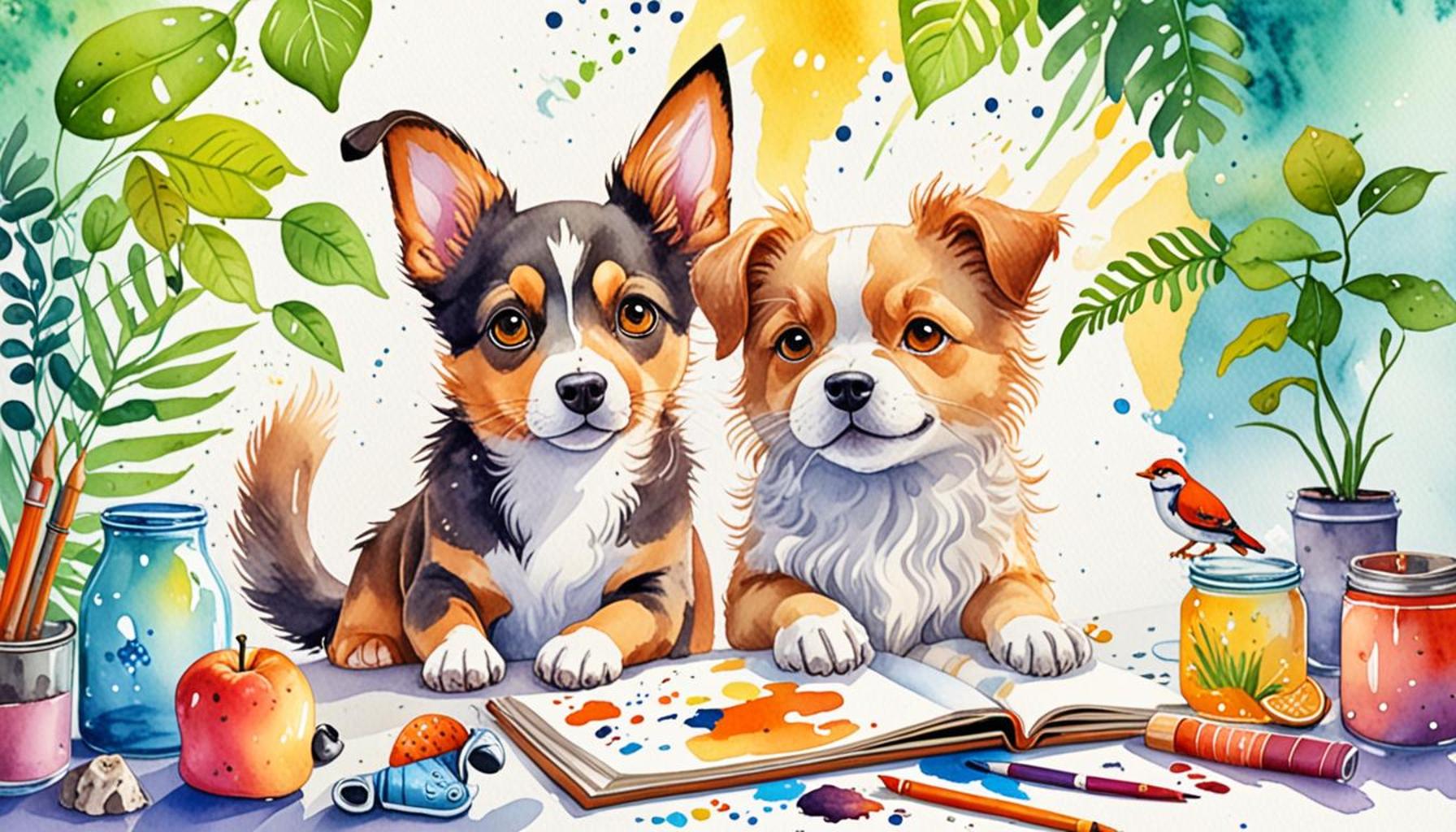
Understanding How Environment Influences Pet Behavior
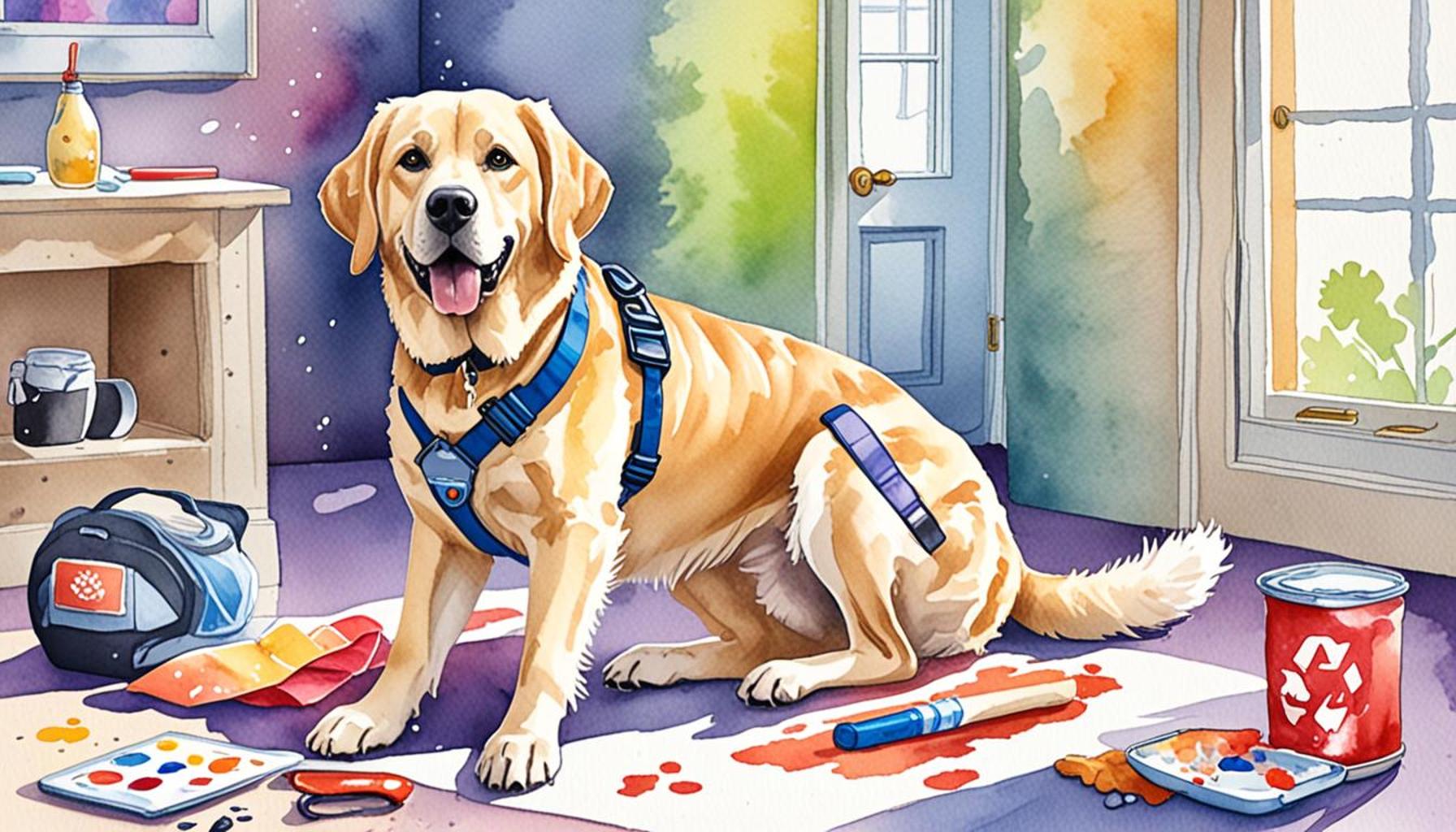
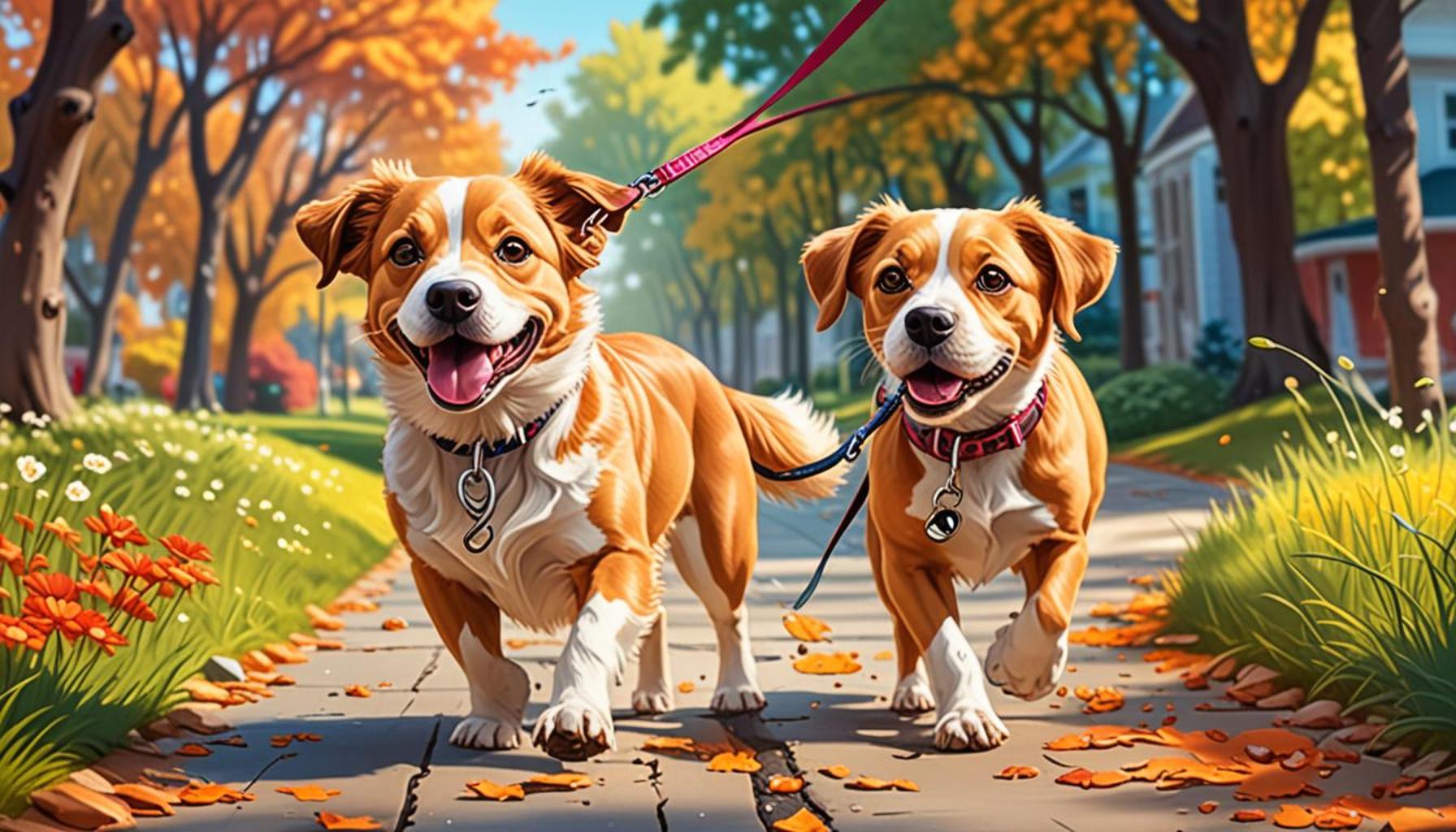
Training a pet can be both rewarding and challenging, yet one key factor often overlooked is the significant impact that the environment plays in shaping pet behavior and learning. Both the immediate living space and external surroundings contribute a vast array of stimuli that influence how our furry friends adapt and respond to training.
When we talk about the home environment, it’s essential to highlight the importance of safety and comfort levels. Imagine a household bustling with children, loud music, or frequent commotion—under such conditions, a dog or cat may become distracted or anxious, hampering their ability to absorb new commands. In contrast, a serene and organized space provides a haven for pets, allowing them to concentrate better on learning. Consistently providing a calm area for training sessions, free from disturbances, aids in clarity and security, crucial for successful learning.
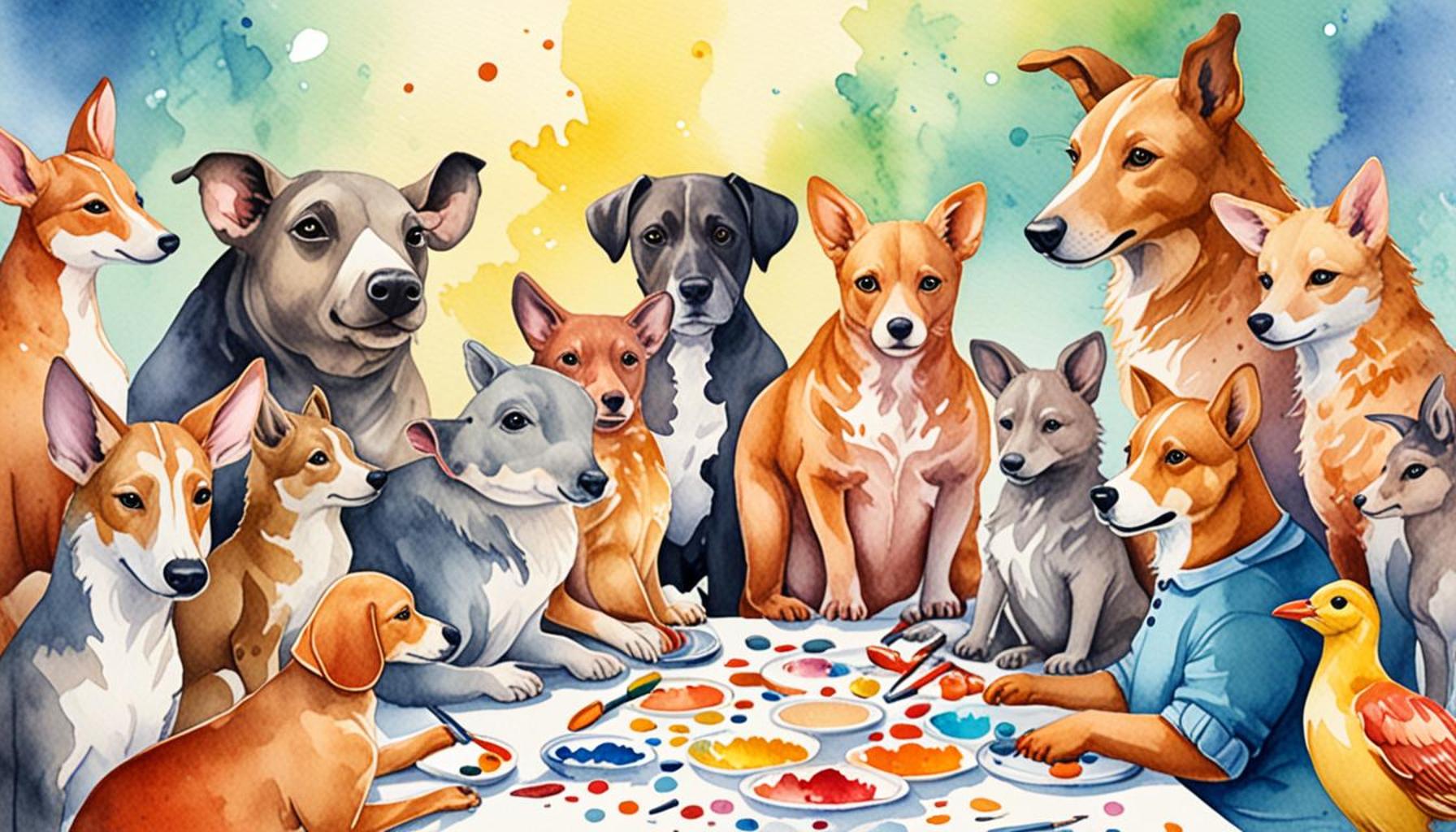
Another critical aspect is social interactions. Pets, particularly dogs, are inherently social creatures that thrive on interaction, not only with humans but also with other animals. Regular exposure to varied social scenarios—like participating in pet playdates, training classes, or visits to dog parks—broadens their social repertoire. These experiences can teach them valuable life skills, such as proper social etiquette, conflict resolution, and adaptation to different environments. For instance, a dog accustomed to interacting with both large and small breeds may exhibit greater adaptability in mixed settings, reducing potential anxiety and behavioral issues.
The physical space where pets live also significantly impacts their inquisitiveness and problem-solving abilities. A well-designed living area allows for exploration, with designated areas for play and rest. For example, if a cat has access to varied vertical spaces such as shelves or cat trees, it will not only keep them physically engaged but also mentally stimulated, leading to improved behaviors as they learn to navigate their environment. Additionally, a fenced backyard can provide a safe space for pets to explore, facilitating active learning through play.
Equally vital is environmental consistency. Pets thrive in settings where they feel secure and can predict their experiences. By ensuring that training cues and commands are consistently used in familiar locations, owners can significantly accelerate the learning process. For example, using the same commands during mealtimes or play encourages quick recognition and response from pets. This predictability helps build confidence in their ability to learn, ultimately strengthening the bond between pet and owner.
By examining the intricate connection between the environment and pet learning, we gain valuable insights that can optimize the training process. When pet owners invest time in understanding how different settings affect behavior, they can create enhanced learning experiences that lead to a more harmonious and gratifying relationship with their pets.
DISCOVER MORE: Click here to learn how adoption changes lives
The Role of Environmental Factors in Shaping Learning Outcomes
As we delve deeper into the influence of the environment on pet learning, it becomes evident that various elements can either facilitate or hinder effective training. Understanding these factors can help pet owners create a more conducive atmosphere that maximizes their pets’ ability to learn and thrive. Key environmental influences range from sensory stimuli to the availability of resources, all playing integral roles in shaping a pet’s learning experience.
Sensory Stimuli and Learning
The environment is ripe with sensory stimuli that pets constantly engage with. These stimuli include sounds, smells, and visual cues, all of which can either help or distract pets during training sessions. For instance, a dog may find it challenging to focus on learning commands if there is loud traffic noise or the enticing scent of food from the kitchen. On the other hand, a tranquil environment with minimal distractions fosters better focus, enabling pets to absorb commands more effectively. To enhance learning, it may be beneficial to:
- Identify and minimize loud or disruptive noises.
- Control complex visual distractions, such as moving objects or frequent guest arrivals.
- Utilize calming scents or music to create a serene atmosphere.
Access to Resources
The availability of learning resources significantly impacts a pet’s development. Resources can include training tools, toys, and even the presence of other animals for social learning. A diverse set of training aids—such as clickers, leashes, or reward-based treats—can greatly enhance the effectiveness of training sessions. Furthermore, creating a variety of engaging environments within the home, like a designated play area or exploration zone, encourages pets to explore and learn. For example, incorporating different textures, interactive toys, and puzzles can stimulate a pet’s curiosity and problem-solving skills.
Moreover, the immediacy of resources impacts the speed and effectiveness of training. For active dogs and cats, quick access to a safe space outdoors can facilitate the incorporation of play into learning, reinforcing positive behaviors through immediate rewards. This active interaction helps establish a clear connection between actions and outcomes, essential for effective learning.
Impact of the Social Environment
The social environment in which a pet operates also influences its learning capacity. Pets that are regularly exposed to varied social contexts often display improved adaptability and communication skills. For instance, dogs that frequent dog parks not only learn to interact with different breeds but also become adept at reading canine body language and cues. This nuanced understanding of social interactions can lead to reduced behavioral issues and enhance their overall training experience.
In conclusion, recognizing the multitude of environmental factors that affect pet learning is crucial for pet owners aiming to foster an effective and enjoyable training environment. By proactively adjusting sensory stimuli, providing appropriate resources, and promoting healthy social interactions, owners can significantly enhance their pets’ learning curves, ultimately leading to a more meaningful and rewarding companionship.
| Category | Key Features |
|---|---|
| Socialization | Pets learn essential behavior from interacting with other animals and people. Positive exposure fosters confidence. |
| Environmental Enrichment | Varied stimuli, such as toys and challenges, encourage active learning and cognitive development among pets. |
The surroundings in which pets are raised have a profound impact on their learning processes and behavioral development. Socialization plays a critical role, as pets that are exposed to diverse environments, people, and other animals during their formative years tend to develop superior social skills. For instance, dogs that interact with various breeds and humans are less likely to exhibit aggression and more prone to be friendly and adaptable. Additionally, the concept of environmental enrichment cannot be overlooked. Environments that provide stimulation—ranging from physically engaging toys to interactive training sessions—are essential for maintaining a pet’s interest and promoting a lifelong learning experience. This can lead to a more fulfilling life for pets, allowing them to thrive both mentally and physically. Understanding these elements can significantly enhance pet ownership and improve the overall quality of life for our furry companions.
LEARN MORE: Click here to discover the nutritional needs of various dog breeds
The Significance of Routine and Structure in Pet Learning
Another critical aspect of the environment that influences pet learning is the establishment of consistent routines and structured training sessions. Pets thrive on predictability, and a well-defined schedule can enhance their ability to learn and respond to commands effectively. Recognizing this, pet owners can implement clear routines that reinforce learning through repetition and familiarity.
Establishing Daily Routines
Daily routines have a profound effect on a pet’s behavior and learning process. By setting specific times for training, feeding, and play, owners create an environment that fosters security and clarity. For instance, if a dog learns that training occurs every morning at 8 AM, it can mentally prepare for those sessions, improving focus and readiness to engage. Repetitive actions, like the consistent use of cues or commands, help solidify knowledge and training objectives in a pet’s mind.
A structured daily schedule can also reduce anxiety in pets. Particularly for those pets that may have experienced trauma or instability, a predictable routine aids in establishing trust and confidence. Likewise, pets trained within structured programs, such as agility classes or obedience courses, often benefit from enhanced social interactions, which further boost their learning outcomes.
The Environment and Learning Styles
Just as human learners exhibit different styles of learning, pets also have unique preferences when it comes to absorbing information. Some pets may excel in structured environments, while others flourish in more relaxed settings. Understanding your pet’s individual learning style can guide owners in creating the most productive atmosphere. For example, certain dogs may be more responsive to visual demonstrations, such as seeing their owner perform a behavior before attempting it themselves. Others may thrive in a playful environment that incorporates a variety of tactics, like fetch or hide-and-seek, to combine fun with learning.
Studies indicate that positive reinforcement techniques, such as clicker training, alongside appropriate environmental mise-en-scène can significantly enhance the learning process. The energetic atmosphere of a park may elicit playful engagement from a pet, leading to quicker retention of tricks or commands. Conversely, a calm and quiet home setting may be more effective for complex training that requires concentration and skill mastery.
The Role of Environmental Enrichment
Environmental enrichment plays a vital role in pet learning as well, introducing a variety of stimuli that encourage mental and physical engagement. An enriched environment stimulates a pet’s natural instincts, prompting exploration and creativity. Items such as puzzle feeders, scent trails, or agility courses can serve to challenge pets’ minds, leading to enhanced problem-solving abilities and greater adaptability to training.
- Invest in interactive toys that stimulate a pet’s curiosity.
- Create a sensory garden with diverse textures and scents to engage pets during play.
- Rotate toys and activities regularly to maintain interest and enthusiasm in learning opportunities.
Moreover, engaging pets in activities that mimic natural behaviors, like digging or chasing, enhances their learning experiences. For example, cats that engage in climbing and exploration tend to develop better confidence and agility, which can carry over into obedience training.
Understanding the multifaceted influences of the environment on pet learning—ranging from routine to environmental enrichment—provides valuable insights for pet owners striving to improve their furry companions’ educational journey. By tailoring the environment to meet a pet’s unique needs and preferences, owners can lay a solid foundation for effective learning and deeper companionship.
LEARN MORE: Click here to discover how to keep your pets healthy
Conclusion: The Interplay Between Environment and Pet Learning
In conclusion, the influence of the environment on pet learning is undeniably significant, impacting everything from routines to enrichment opportunities. Establishing a consistent daily schedule not only fosters a sense of security for pets but also enhances their ability to grasp new commands and skills. This predictability can reduce anxiety, particularly for pets with a history of instability, making them more receptive to training.
Furthermore, understanding the distinct learning styles of pets adds another layer to the equation. By recognizing how each pet absorbs information best—whether through structured commands or playful interactions—owners can tailor their training methods to promote effective learning. The environment, therefore, plays a pivotal role in establishing the optimal conditions conducive to their educational journey.
Additionally, providing environmental enrichment is essential for stimulating a pet’s innate curiosity and creativity. Integrating diverse activities and experiences in their surroundings challenges pets mentally and physically, ultimately leading to improved adaptability in learning settings. From interactive toys to engaging outdoor activities, these elements not only make learning fun but also deepen the bond between pets and their owners.
As pet owners seek to enhance their companions’ learning experiences, acknowledging these environmental factors is crucial. With a tailored approach that incorporates structure, understanding of individual learning preferences, and enrichment, pet owners can significantly enrich their furry friends’ lives. This thoughtful consideration strengthens their educational journey and nurtures a lasting companionship that thrives on trust and understanding.

Linda Carter
Linda Carter is a writer and pet care expert specializing in pet health, grooming, and wellness. With extensive experience helping pet owners create safe, loving, and enriching environments for their animals, Linda shares her knowledge on our platform. Her goal is to empower readers with practical advice and strategies to ensure their pets thrive and lead joyful, healthy lives.