
The Importance of Oral Health in Pets: Prevention and Treatment of Dental Diseases
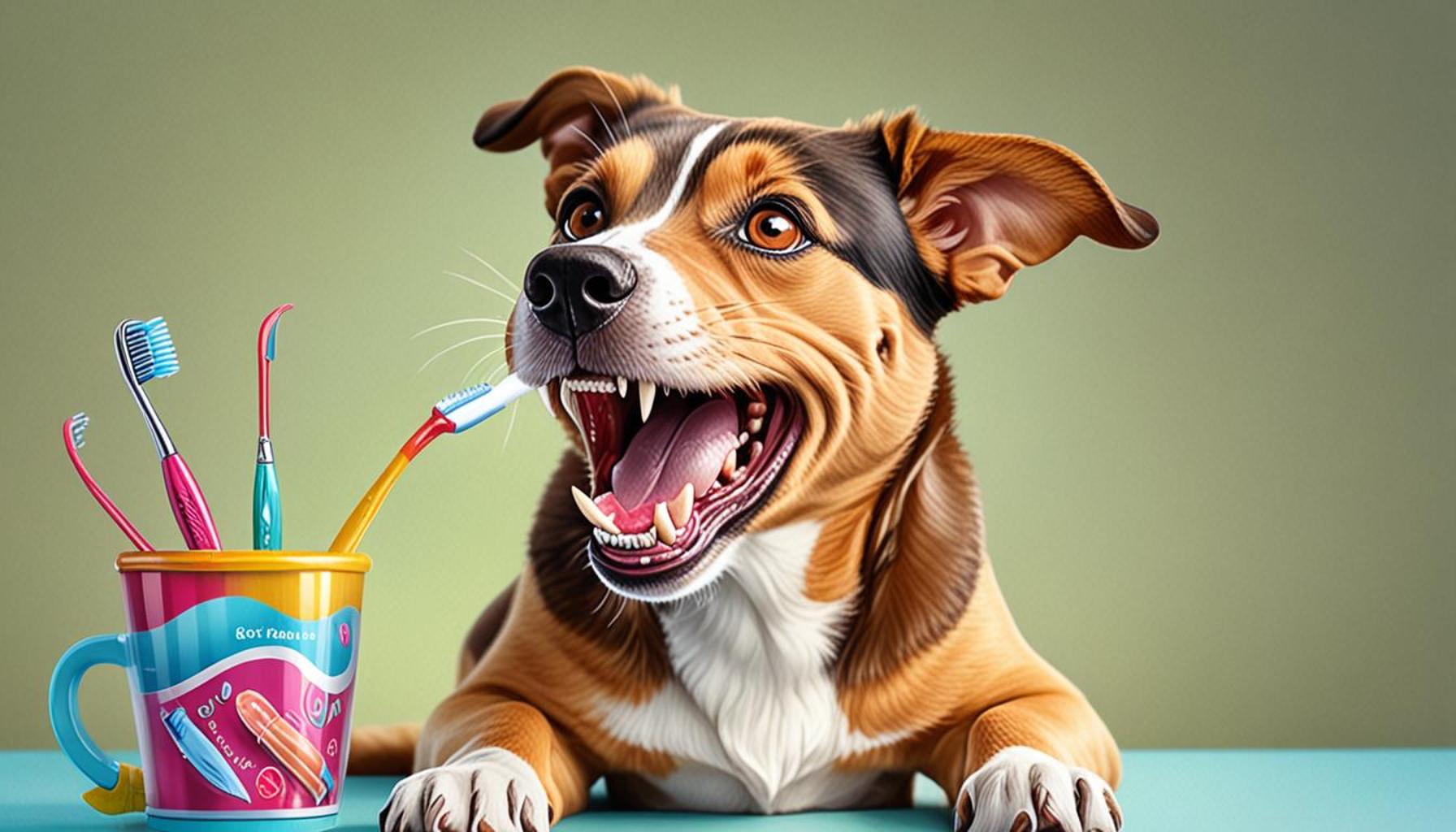
The Importance of Dental Care for Pets
Many pet owners underestimate the significance of oral health in their furry companions. However, just like humans, pets are susceptible to various dental diseases that can profoundly affect their quality of life. Neglected oral hygiene can pave the way for serious health issues, making awareness and education vital. Addressing oral health in pets is not just about preventing bad breath—it’s a cornerstone of their overall well-being.
Veterinary studies reveal that about 80% of dogs and 70% of cats show signs of dental disease by the age of three. This alarming statistic highlights the crucial need for prevention and treatment. Pet owners must consider that oral diseases are often silent, meaning pets may not show obvious signs of pain or discomfort until the condition is severe.
Common Dental Diseases in Pets
- Common dental diseases in pets include:
- Periodontal disease – This is the most prevalent condition, characterized by gum inflammation and infection. If left untreated, it can lead to tooth loss and systemic health issues, including heart and kidney diseases.
- Tooth decay – While less common in pets compared to humans, tooth decay can still occur and often goes unnoticed until it’s too late. Regular dental check-ups are essential for early detection.
- Oral tumors – These are a serious concern, particularly in older pets. Oral tumors can be benign or malignant and may require surgical intervention, making periodic veterinary visits critical.
Identifying the Symptoms
- Symptoms to watch for include:
- Bad breath, known as halitosis, can be a primary indicator of dental issues.
- Red or swollen gums are classic signs of periodontal disease.
- Difficulty eating or chewing food, leading to weight loss or a dramatic change in behavior, can signal serious dental problems.
The good news? Most dental diseases are preventable with proper care. Regular brushing of your pet’s teeth can significantly reduce the risk of dental illness. It is recommended to start this practice early in a pet’s life to accustom them to the process. Additionally, providing dental chews or toys can aid in maintaining oral hygiene while keeping your pet entertained.
Routine veterinary check-ups are essential not only for vaccinations and general health assessments but also for conducting thorough dental examinations. A veterinarian may recommend professional cleanings under anesthesia, especially if significant tartar buildup is evident. Furthermore, maintaining a balanced diet rich in nutrients can also support dental health by minimizing plaque formation.
As we delve deeper into the importance of oral health in pets, we will explore effective strategies for prevention as well as innovative treatment options. This ensures that your beloved companions maintain their happiness and vitality, living their lives to the fullest.
DISCOVER MORE: Click here for insights on pet nutrition
Understanding Pet Dental Health: The Foundation of Well-Being
When it comes to pet care, dental health often takes a backseat to more visible concerns like nutrition and exercise. However, the reality is that a pet’s oral health is intricately linked to their overall well-being. Poor oral hygiene can not only lead to debilitating dental diseases but can also trigger serious systemic issues that may affect vital organs such as the heart and kidneys. Thus, understanding the mechanics of preventing and treating dental diseases is essential for every pet owner.
Veterinary professionals emphasize the necessity of proactive dental care, with comprehensive strategies to combat the alarming prevalence of dental diseases in pets. For instance, pet owners might be surprised to learn that gum disease is not merely a cosmetic issue; it is the result of plaque buildup, which harbors bacteria that can enter a pet’s bloodstream. Consequently, these bacteria can contribute to severe health issues, amplifying the urgency for early detection and intervention.
Preventive Measures: A Key to Longevity
- Regular Dental Check-ups: Incorporating routine veterinary visits that include oral examinations can dramatically impact your pet’s dental health. These check-ups allow for the identification of problems before they escalate.
- Daily Brushing: The gold standard for pet dental care is daily tooth brushing. Using pet-specific toothpaste, the act of brushing helps to minimize plaque formation and keeps gums healthy.
- Dental Treats and Toys: Providing dedicated dental chews and toys can not only entertain your pet but also assist in removing plaque through mechanical action.
Moreover, it’s vital to remember that starting these methods early can set the stage for lifelong dental health. Puppies and kittens are more adaptable and can be trained to accept brushing as a routine part of their grooming regimen. Just as an early introduction to dental care can yield positive results, neglecting this aspect can lead to escalating health concerns in adult pets.
Aside from at-home maintenance, the role of professional dental cleanings cannot be overstated. During these sessions, veterinarians can perform deep cleanings that effectively remove tartar and assess for signs of more serious conditions. Anesthesia is commonly employed, allowing for a thorough examination and intervention without distressing the pet.
With tooth decay being less prevalent in pets compared to humans, it’s easy to overlook. However, maintaining a balanced diet is just as critical. Certain diets can help in minimizing plaque and promoting dental health, and careful selection of nutrition can support strong teeth and gums. Being mindful of your pet’s diet while sticking to vet-recommended food can make a substantial difference.
The conversation around oral health for pets is more than just a trend—it’s a fundamental aspect of ensuring happy, healthy lives for our animal companions. By embracing effective prevention strategies and recognizing the importance of routine dental care, pet owners can shield their beloved friends from the discomfort of dental diseases.
Oral health is crucial for pets, yet it often receives less attention than other aspects of health care. Neglecting dental hygiene can lead to severe consequences, not just for their mouths but for their overall well-being. Pet owners should be aware that dental disease is one of the most common health issues pets face, with studies indicating that as many as 80% of dogs and 70% of cats exhibit signs of dental disease by age three. Preventive measures are essential. Regular dental check-ups are critical, as they allow veterinarians to identify early signs of dental problems before they escalate. Routine professional dental cleanings, paired with at-home dental care such as brushing and safe chew toys, can significantly reduce the risk of developing serious oral issues. Moreover, understanding the treatment options available for dental diseases is vital. When dental issues arise, treatments can range from deep cleanings under anesthesia to more complex procedures like extractions. Neglecting these dental problems can lead to systemic issues, as bacteria from the mouth can enter the bloodstream, potentially affecting the heart, liver, and kidneys.Additionally, pet owners should be informed about diet’s role in maintaining dental health. Certain dental diets and treats are specially formulated to reduce plaque and tartar build-up. Each of these aspects underscores the importance of vigilance in maintaining oral health, ultimately enhancing the quality of life for our beloved pets. Pet parents are encouraged to take a proactive stance by regularly consulting their veterinarians and staying informed about the latest advances in pet dental care. This commitment not only aids in preventing painful conditions but also ensures that our furry companions lead healthy, happy lives. The pursuit of knowledge on oral health for pets can also lead to discovering new treatments and preventive measures. Regularly educating oneself about the best practices can significantly impact the effectiveness of maintaining dental hygiene, leading to a more fulfilling life for our pets.
DISCOVER MORE: Click here to explore the evolution of human-animal bonds
Recognizing and Addressing Dental Diseases in Pets
While preventative measures are vital to maintaining pet dental health, understanding the signs and symptoms of dental diseases is equally essential for pet owners. Early recognition can be the key to effective treatment, helping to alleviate pain and further complications.
Common indicators of dental issues in pets include bad breath, difficulty eating, swollen or bleeding gums, and loose or missing teeth. A study published in the Journal of Veterinary Dentistry found that over 80% of dogs and over 70% of cats exhibit some form of dental disease by the age of three. This alarming statistic sheds light on how crucial it is for pet owners to remain vigilant and proactive.
The Role of Veterinary Intervention
When dental problems do arise, professional intervention becomes necessary. It’s vital for pet owners to schedule veterinary appointments if they observe any signs mentioned earlier. The veterinarian may conduct diagnostic tests such as X-rays to assess the extent of dental disease and develop an appropriate treatment plan.
Treatment often involves professional dental cleanings to remove tartar and plaque buildup. In some cases, tooth extractions may be necessary, especially if the tooth has become infected or is causing suffering to the pet. Most importantly, these procedures allow for the prevention of serious complications that could affect a pet’s overall health, as untreated dental disease can lead to conditions such as heart disease and kidney problems.
Another important aspect of treatment is managing pain associated with dental procedures. Many veterinarians utilize pain management protocols during and after dental work to ensure that pets recover comfortably. As with any medical treatment, discussing the pet’s specific needs and any concerns with the veterinarian can lead to tailored care strategies.
Home Care: A Lifelong Commitment
In the wake of treatment or following routine cleanings, maintaining good dental hygiene at home is the best way to prevent the recurrence of dental disease. Pet owners should strive to establish a daily dental care routine, including brushing their pet’s teeth, offering dental treats, and incorporating water additives designed to combat plaque.
Moreover, education on the various products available for pets can be immensely beneficial. Many reputable brands offer dental gels, chews, and rinses that can aid in oral hygiene. However, pet owners should consult their veterinarians before introducing any new products to ensure they are appropriate and safe for their specific pets.
As awareness of the interconnectedness of oral health and overall health grows, so too does the responsibility of pet owners to stay informed and vigilant. By actively engaging in their pets’ dental care, owners can not only ward off dental diseases but can also contribute to their companions’ long and healthy lives.
In light of these insights, pet owners are encouraged to integrate dental health into their regular pet care routines. A well-rounded approach—considering both preventative measures and treatment options—not only promotes dental wellness but also enhances the quality of life for our beloved pets.
DISCOVER MORE: Click here to learn how to keep your pets healthy
Conclusion: Ensuring Lifelong Dental Health for Our Pets
In summary, the significance of oral health in pets cannot be overstated. As our furry companions age, they become increasingly susceptible to dental diseases, with studies showing that a staggering majority of pets experience some form of dental issue by their third birthday. This highlights the need for pet owners to adopt a proactive stance on dental care, encompassing both prevention and treatment strategies.
Recognizing the early signs of dental problems is crucial, as timely veterinary intervention can greatly reduce suffering and prevent more severe health issues from arising. By ensuring regular professional cleanings, utilizing pain management protocols, and creating customized dental care plans, veterinarians play an invaluable role in maintaining our pets’ oral health. Additionally, owners must commit to home care routines that include daily brushing, dental treats, and consultations regarding appropriate dental products.
Ultimately, the journey toward optimal dental health for pets requires a partnership between owners and veterinarians, built on education and vigilance. As we deepen our awareness of how oral health impacts overall well-being, the responsibility to care for our pets’ dental needs becomes a fundamental aspect of responsible pet ownership. By integrating oral health into everyday pet care, we not only enhance our pets’ quality of life but also strengthen the bonds we share with our beloved companions. Together, let us commit to ensuring that our pets enjoy healthy, pain-free lives full of joy and vitality.

Linda Carter
Linda Carter is a writer and pet care expert specializing in pet health, grooming, and wellness. With extensive experience helping pet owners create safe, loving, and enriching environments for their animals, Linda shares her knowledge on our platform. Her goal is to empower readers with practical advice and strategies to ensure their pets thrive and lead joyful, healthy lives.