The Importance of Hydration in Pet Health: How to Ensure Your Animal Drinks Enough Water
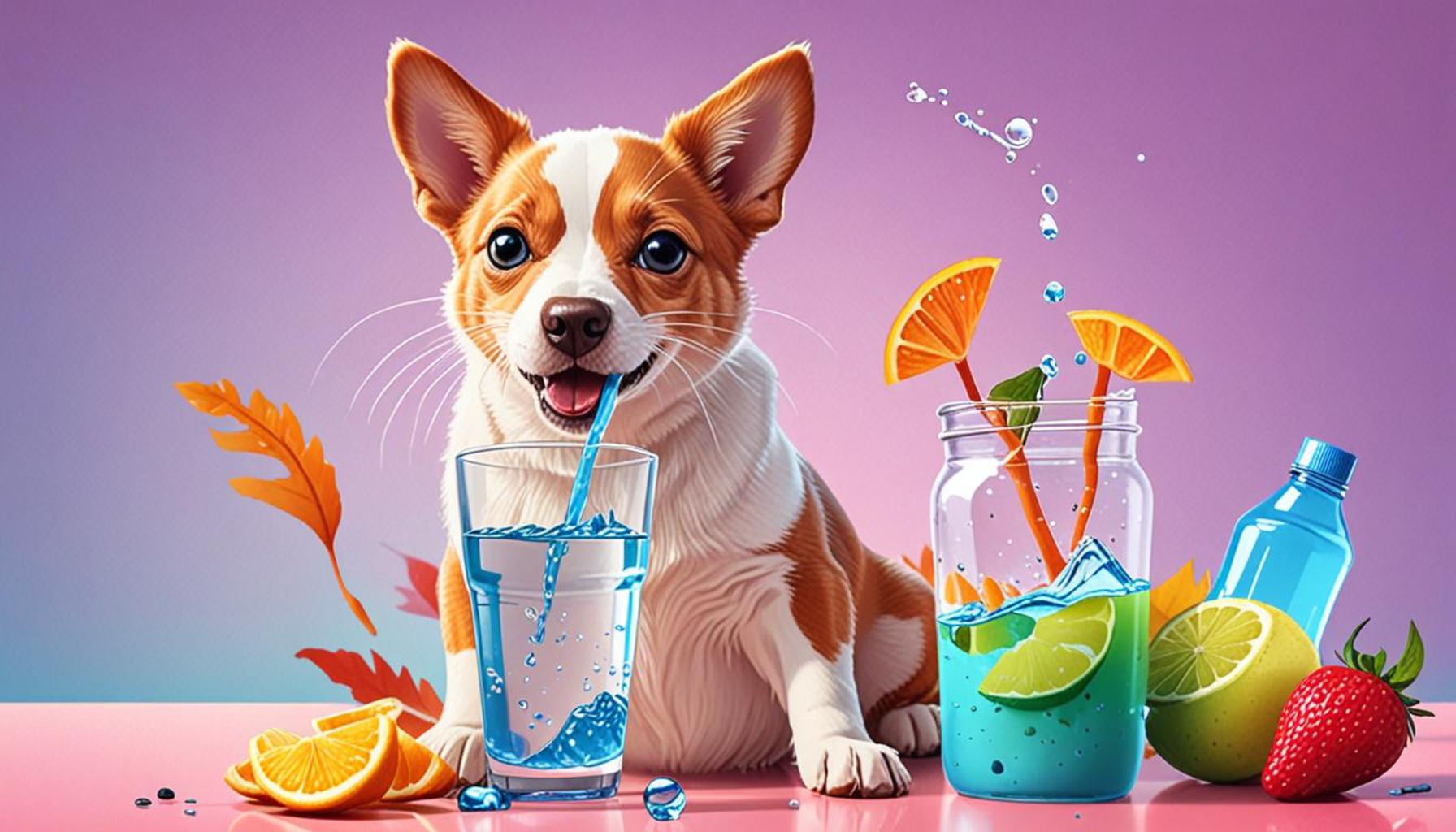
Understanding the Crucial Role of Hydration in Pet Health
Water is essential for all living beings, and your pets are no exception. Hydration plays a critical role in maintaining your animal’s health, affecting everything from digestion to temperature regulation. In fact, a lack of adequate water can lead to severe health issues, potentially resulting in hospitalization or worse. When considering our furry companions’ well-being, hydration should be at the forefront of our pet care responsibilities.
Consider the following compelling reasons why keeping your pet hydrated should be a priority:
- Prevents Dehydration: Pets are at risk of dehydration, especially during hot weather or after exercise. For instance, dogs can lose a significant amount of water through panting when they’re overheated. A dehydrated pet may exhibit symptoms such as lethargy, dry gums, and reduced skin elasticity. In severe cases, dehydration can lead to organ failure.
- Aids Digestion: Sufficient water intake is essential for digesting food effectively. Water helps break down food, allowing nutrients to be absorbed more efficiently. If your pet is not drinking enough, it could suffer from constipation or other digestive disorders.
- Supports Joint Health: Proper hydration lubricates joints, which is vital for mobility. This is particularly important for older pets or those with arthritis. Providing adequate water can alleviate discomfort and improve your pet’s quality of life.
- Maintains Body Temperature: Water helps regulate your pet’s body heat, preventing overheating. It’s especially critical during the sweltering summers in states like Florida or Texas, where pets can quickly become overheated.
As a responsible pet owner, it’s vital to understand how much water your animal should be drinking daily. Factors such as size, age, and activity level can significantly influence their hydration needs. For example, a small, sedentary cat requires less water than an active, large-breed dog like a Great Dane. Generally, pets should drink approximately one ounce of water per pound of body weight daily. Keeping track of your pet’s water intake, especially during warmer months or after vigorous exercise, can help prevent potential health issues.
This article will guide you through the importance of hydration for your pet’s health and provide you with practical tips to ensure they drink enough water. Simple methods like providing clean, fresh water in multiple locations and using pet water fountains can encourage drinking. Additionally, incorporating wet food into your pet’s diet is another great way to boost their water intake.
The journey to optimal pet health begins with hydration—let’s explore how to make it a priority. Remember, your pet relies on you to ensure their needs are met, and hydration is a fundamental aspect of their well-being. By educating yourself on proper hydration practices, you create a healthier, happier life for your beloved companion.
LEARN MORE: Click here to discover the key to your pet’s health
Recognizing the Signs of Dehydration
Understanding the importance of hydration in pet health begins with recognizing the often subtle signs of dehydration. Many pet owners may not realize that their furry friends can suffer from dehydration just as easily as they can. Common symptoms include increased thirst, dry mouth, and lethargy. However, these signs can sometimes be overlooked, so it’s essential to conduct regular checks on your pet’s hydration status.
Some additional indicators that your pet may be dehydrated include:
- Skin Elasticity: When you gently pinch the skin between your pet’s shoulder blades and it doesn’t immediately bounce back, it may indicate dehydration.
- Gum Health: Healthy gums should be moist and pink. If your pet’s gums are dry or sticky, it could be a sign that they need more water.
- Urine Concentration: Monitor the frequency and color of your pet’s urine. Dark yellow or brown urine can indicate dehydration.
- Behavioral Changes: A dehydrated pet may become more sluggish, lose interest in regular activities, or seem unusually quiet.
It’s valuable to remember that some pets, especially those with certain health conditions or older animals, may not show obvious signs of dehydration until it becomes severe. Therefore, regular wellness checks with your veterinarian can help ensure that your pet maintains proper hydration levels. It’s also critical to account for seasonal changes; during summer months, pets are especially at risk due to higher temperatures. In these conditions, monitoring your pet’s water intake becomes even more crucial.
Daily Water Needs: Customizing for Your Pet
As discussed earlier, factors such as size, age, and activity level heavily influence a pet’s water requirements. Understanding these specifics can empower you to meet your pet’s hydration needs effectively. For instance, consider this guideline: an average pet requires about one ounce of water per pound of body weight each day. However, that figure can vary; for instance:
- A small dog weighing 10 pounds would need at least 10 ounces of water a day.
- An active dog or one in a warmer climate may need significantly more fluid.
- Conversely, a senior dog or cat may drink less even when they need more due to changes in their health.
To ensure your pet’s water needs are met, pay attention to their habits. Issues like increased thirst might signal health problems—such as diabetes or kidney disease—making it essential to remain vigilant. Regular veterinary check-ups and open conversations with your vet can help you tailor a hydration plan that works uniquely for your pet.
In the following sections of this article, we will explore practical steps and innovations in pet care that encourage proper hydration, enhancing your furry friends’ overall health and well-being. With these strategies, you’ll not only quench your pet’s thirst but also contribute significantly to their long-term health and happiness.
The Importance of Hydration in Pet Health: How to Ensure Your Animal Drinks Enough Water
Ensuring that your pet stays properly hydrated is essential for their overall health and wellbeing. Just like humans, pets depend on water to maintain vital body functions. Without sufficient hydration, animals can suffer from serious health issues, including kidney failure, urinary tract problems, and even severe digestive issues.One of the notable aspects of hydration in pets is that different species have various needs. For instance, dogs and cats may not always self-regulate their water intake effectively, particularly if they are fed dry kibble or live in hot climates. Providing them with fresh water daily in clean bowls is crucial. Additionally, some pets may prefer running water, making pet drinking fountains a worthwhile investment to encourage them to drink more.Another aspect to consider is the role of wet food in hydration. Incorporating wet or canned food into your pet’s diet can significantly boost their water intake, especially for cats, who are typically less inclined to drink large quantities of water. Awareness of the signs of dehydration is also key. Symptoms include dry gums, lethargy, and decreased skin elasticity, so monitoring your pet regularly for these signs is critical.Thus, understanding the importance of hydration not only promotes your pet’s health but also encourages owners to become proactive in managing their pets’ drinking habits. The next step to ensuring proper hydration is to explore various ways to make water consumption more enticing.
| Hydration Strategies | Benefits |
|---|---|
| Providing Fresh Water | Encourages frequent drinking and adds to overall hydration levels. |
| Using Pet Water Fountains | Stimulates interest in drinking with flowing water, mimicking natural sources. |
| Incorporating Wet Food | Provides additional hydration, especially beneficial for pets that do not drink enough water. |
| Flavoring the Water | Using low-sodium broth can enhance the taste of water and entice pets to drink more. |
In conclusion, understanding and implementing these hydration strategies can significantly impact your pet’s overall health and vitality. Exploring additional options tailored to your pet’s preferences can transform hydration into an enjoyable experience. As a responsible pet owner, take the necessary steps to ensure your furry friends receive adequate hydration daily, thereby promoting a vibrant, healthy life through proper water intake.
DISCOVER MORE: Click here to learn how adoption can change lives
Encouraging Hydration: Tips and Tools
As a pet owner, you play a pivotal role in ensuring that your furry companions stay properly hydrated. While understanding their water needs is essential, actively encouraging them to drink enough water can make a world of difference in their overall health. Below are some practical strategies and tools that help promote hydration in pets.
Creative Drinking Solutions
Sometimes, pets can be fussy about their water intake due to the bowl they’re using. Consider investing in a pet water fountain. Many pets are instinctively attracted to running water, as it tends to be fresher and cooler. Water fountains not only entice pets to drink more but also provide additional filtration, removing impurities and ensuring clean water. Innovative designs offer customizable flow settings to suit your pet’s preferences.
Flavoring Water
If your pet seems disinterested in plain water, try adding natural flavorings to their water, such as low-sodium chicken or beef broth. Ensure that any addition is free from harmful ingredients such as onion or garlic, as these can be toxic to pets. You can even freeze broth in ice cube trays to create a refreshing summer treat that encourages drinking while providing hydration.
Hydration Packs and Wet Food
Many pet owners aren’t aware that incorporating wet food into your pet’s diet can significantly increase overall water intake. Wet food contains a higher moisture content than kibble, making it a smart choice for picky drinkers or those who might not hydrate sufficiently through water alone. Furthermore, if your pet enjoys snacks, consider offering hydration packs or electrolyte solutions formulated specifically for pets, especially during hot weather or after intense physical activity.
Monitor Their Water Consumption
Utilizing a water intake tracker or simply observing your pet can help ensure they consume adequate amounts of water daily. Many modern pet bowls come equipped with smart technology that allows you to monitor your pet’s water consumption through mobile apps. This can provide insights into your pet’s drinking habits, allowing you to intervene should you notice irregular patterns.
Seasonal Adjustments
As the temperature rises, your pet’s need for water increases. During the hot summer months, be particularly mindful of providing access to fresh water at all times. Ensure that they have a designated water station that is easily accessible, especially if they spend time outdoors. You could add ice cubes to their water bowl to keep it cooler during warm days. Additionally, consider scheduling routine breaks during outdoor activities to allow your pet to rehydrate.
Moreover, be aware of the signs indicating more severe dehydration beyond the early indicators mentioned previously. If your pet becomes increasingly lethargic or their skin elasticity deteriorates, consult your veterinarian immediately. Keeping track of your pet’s hydration status can be a lifesaver, ensuring they remain fit, active, and healthy.
By understanding and implementing these strategies, you will not only meet your pet’s hydration needs but contribute significantly to their overall health and vitality. Remember, a few simple adjustments can lead to meaningful improvements in your beloved companion’s health and happiness.
DIVE DEEPER: Click here to discover the vital role of nutrition in your pet’s health
Conclusion: Prioritizing Pet Hydration for Optimal Health
In conclusion, the role of hydration in the overall health of pets cannot be overstated. As responsible pet owners, it is crucial to understand the significance of ensuring that your furry friends receive adequate water intake. The health benefits associated with proper hydration include improved digestive function, enhanced kidney health, and increased energy levels. Engaging in proactive measures, such as providing stylish water fountains, flavorful additives, or wet food options, can effectively encourage your pet to drink more water.
Furthermore, it’s essential to remain vigilant and monitor their drinking habits, adjusting your approach based on seasonal changes and your pet’s specific needs. Employing modern technology like smart water bowls can streamline this process and help detect any potential health issues early on. If your pet exhibits symptoms of dehydration, such as lethargy or dry gums, don’t hesitate to consult a veterinarian.
Ultimately, by integrating these hydration strategies into your daily routine, you contribute to a longer, healthier life for your pets. The simple act of ensuring they drink enough water can lead to noticeable improvements in their vitality and happiness. So, take the time to elevate your pet’s hydration game—because a well-hydrated pet is not just a healthier pet, but also a happier one. Your proactive steps today can lead to a more vibrant tomorrow for your beloved companions.

Linda Carter
Linda Carter is a writer and pet care expert specializing in pet health, grooming, and wellness. With extensive experience helping pet owners create safe, loving, and enriching environments for their animals, Linda shares her knowledge on our platform. Her goal is to empower readers with practical advice and strategies to ensure their pets thrive and lead joyful, healthy lives.