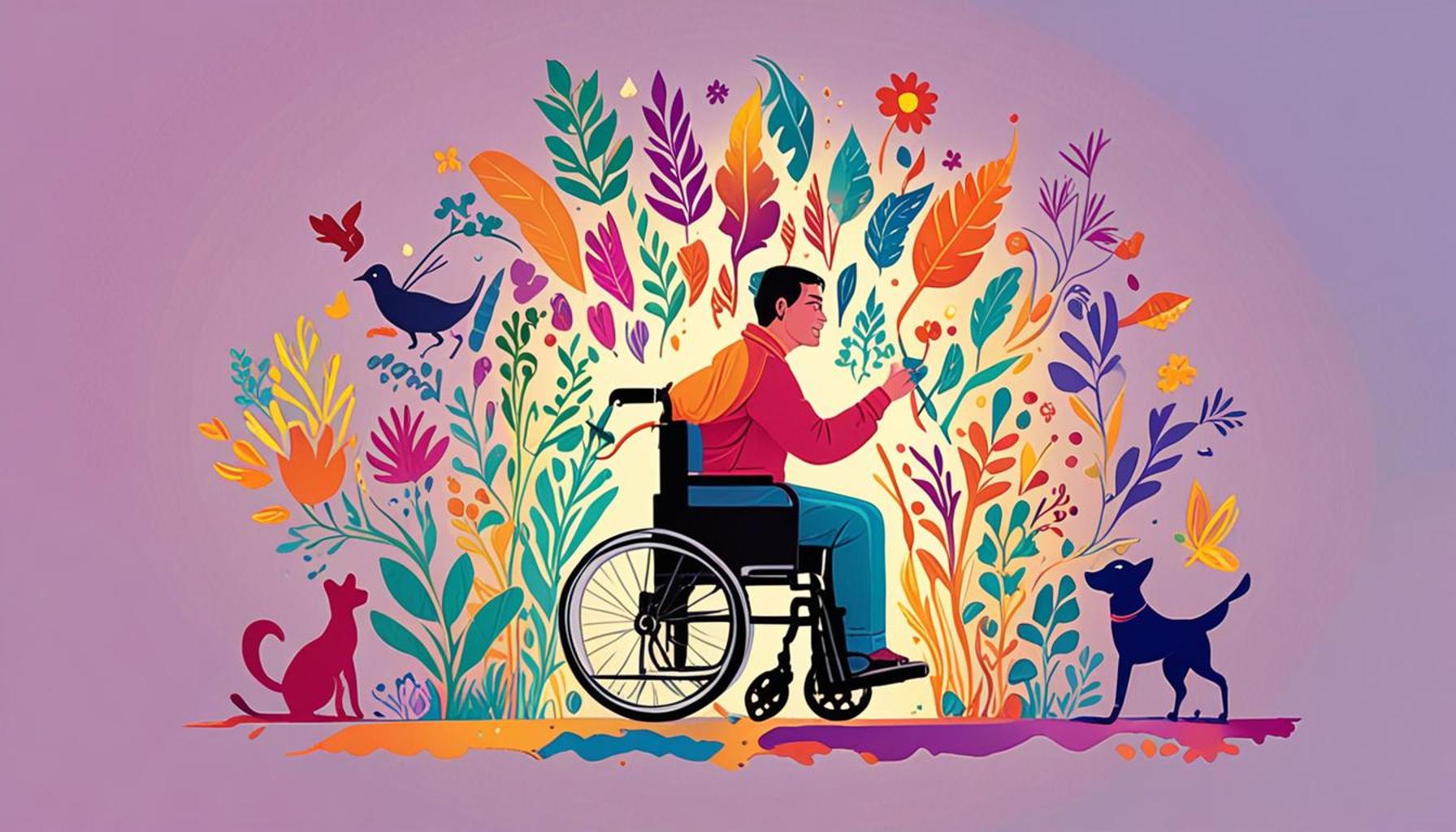
The Role of Companion Species in Mental Health: Benefits and Challenges

The Benefits of Animal Companionship on Mental Health
The companionship of animals offers far-reaching benefits that extend well beyond emotional support. Numerous studies, particularly within recent decades, have begun to uncover the profound ways in which companion species can positively impact mental health. Understanding these benefits—and the potential challenges that may accompany pet ownership—can empower individuals to make informed decisions about integrating pets into their lives for improved mental wellness.
Firstly, one of the most noted benefits of companion species is their ability to reduce feelings of loneliness. This is particularly significant in modern America, where social isolation is increasingly prevalent due to various factors such as remote work and urban living. Pets, such as dogs and cats, offer companionship that can fill emotional voids. Research has shown that pet owners report lower levels of loneliness and enhanced feelings of connection. A study conducted by the University of California, Los Angeles (UCLA) found that pet ownership can significantly increase social interaction, which enhances community ties.
Additionally, companion animals promote physical activity, which is essential for both physical and mental health. Dog owners, for instance, are more likely to meet daily exercise recommendations due to the need to walk their pets. The act of walking a dog not only provides substantial cardiovascular benefits but also encourages routines that can boost mood and reduce anxiety. A regular exercise regimen can enhance endorphin release, further supporting psychological resilience.
Another crucial aspect of the human-animal bond is the unconditional love that pets provide. This affection can be particularly comforting during times of stress or personal hardship. For those grappling with conditions such as depression or anxiety, the presence of a pet can serve as a source of solace. A study by the Human-Animal Bond Research Institute highlighted that therapy animals can significantly reduce feelings of distress in individuals facing physical or mental health challenges.
Moreover, interactions with animals have been shown to lower stress levels effectively. Scientific investigations indicate that petting a cat or dog can reduce cortisol, a hormone associated with stress, while simultaneously increasing serotonin, a neurotransmitter that contributes to feelings of well-being. The simple act of engaging with a furry friend can serve as a quick and effective stress-relief mechanism in busy urban settings.

However, it’s crucial to also consider the potential challenges that come with pet ownership. The financial burden associated with caring for pets can pose a significant challenge, as pet care costs—ranging from food and grooming to veterinary expenses—can quickly add up. In many households, unexpected veterinary bills might require budget adjustments, which could lead to stress rather than relief.
The time commitment of owning a pet cannot be understated. Pets thrive on daily routines and consistent attention, which can be a strain on individuals with demanding jobs or busy lifestyles. Additionally, while the bond formed with a pet can be transformative, the inevitable emotional attachments can lead to profound grief when that pet passes away. This emotional toll can be significant and often requires time and support to navigate effectively.
As society continues to explore the complexities of mental health, understanding the multidimensional impacts—both positive and negative—of companion species becomes increasingly pertinent. By weighing the benefits against potential challenges, individuals can better determine how to incorporate animals into their lives in a way that enhances both their mental health and their companionship experience.
LEARN MORE: Click here for tips on keeping your pets healthy
The Emotional and Social Advantages of Companion Animals
Companion animals are not merely pets; they play a pivotal role in enhancing emotional well-being and social connections for individuals of all ages. With the rise of awareness surrounding mental health issues in recent years, the significance of these creatures has gained increased scrutiny from both researchers and the public alike. From combating isolation to facilitating emotional expression, the benefits of animal companionship are vast and well-documented.
One of the standout advantages of having a pet at home is their unique ability to act as a social catalyst. The presence of a pet can often ease social interactions. Dog owners, in particular, have shared experiences of meeting new people during walks in the park or at dog-friendly events, creating opportunities for friendship with fellow pet lovers. This sense of community is further supported by a study from the American Psychological Association, which concluded that individuals with pets report feeling more socially connected, reinforcing the idea that dogs—or even cats—can open doors to richer social lives.
In the context of mental health, the emotional support provided by companion animals is almost unparalleled. Studies indicate that pet owners generally exhibit lower levels of anxiety and depression. The therapeutic presence of an animal can provide solace during life’s challenging moments. Pets can sense human emotions, responding to their owners’ moods and offering a calming presence during crises. This emotional synchronization can be particularly beneficial for those suffering from mood disorders, revealing a profound bond that can lead to improved mental health over time.
Moreover, pets can also serve as a bridge to structured routines that are essential for maintaining mental health. The responsibilities tied to pet ownership, such as feeding, grooming, and walking, create stable patterns in daily life. These routines foster a sense of purpose and structure that can be invaluable to individuals struggling with motivation or mental health challenges. For many, a pet represents a reason to get out of bed, thus contributing positively to their overall well-being.
- Reduced anxiety and depression levels: Engaging with pets can lead to the release of neurotransmitters that uplift mood.
- Enhanced social interactions: Pet ownership can facilitate new friendships and community bonds.
- Structured routines: Daily pet care responsibilities cultivate stability in a pet owner’s life.
- Comfort during emotional distress: Companion animals provide unmatched loyalty and understanding during tough times.
As beneficial as these aspects may be, the road to experiencing the mental health benefits of companion species isn’t without its challenges. Like any relationship, the bond with an animal requires attention, commitment, and emotional investment. Understanding both the advantages and the hurdles associated with pet ownership is crucial for current or prospective pet owners. Addressing these factors can help maximize the positive effects of animal companionship on mental health while mitigating potential downsides.
| Advantage | Description |
|---|---|
| Emotional Support | Companion species provide vital emotional support to individuals suffering from mental health disorders, reducing feelings of isolation. |
| Motivation for Activity | The presence of animals, particularly dogs and cats, encourages physical activity, which is beneficial for mental well-being. |
| Routine Establishment | Caring for companion species fosters a sense of responsibility and can create a stable daily routine for individuals challenged by mental health issues. |
| Unconditional Love | Companion animals provide a unique form of unconditional love and acceptance, which can have profound therapeutic effects. |
In analyzing the interaction between companion species and mental health, it’s essential to recognize the various benefits they bring to individuals dealing with psychological issues. From the emotional comfort and support these animals provide to the new sense of purpose and routine they can instill in their caregivers, the role of companion species is multidimensional. Research indicates that owning a pet can not only alleviate symptoms of loneliness and anxiety but also create stronger social connections by encouraging social interactions among pet owners. Furthermore, engaging with companion species can significantly enhance one’s emotional well-being by promoting feelings of joy and reducing stress. While there are challenges, such as pet care responsibilities and potential allergies, the overall association between companion animals and improved mental health provides an intriguing area for further advocacy and research, suggesting that these relationships may be more crucial than previously acknowledged. Exploring the challenges alongside the benefits also adds depth to understanding this evolving field.
DISCOVER MORE: Click here to learn why socialization matters
The Challenges of Companion Animal Ownership
While the advantages of companion animals in promoting mental health are compelling, it is equally important to acknowledge the challenges that potential and current pet owners face. Owning a pet requires a significant amount of commitment, both time and resources, which can at times create stress rather than alleviate it. For instance, the costs associated with pet care—including veterinary expenses, food, grooming, and other supplies—can accumulate rapidly. According to the American Society for the Prevention of Cruelty to Animals (ASPCA), the annual expense of owning a dog can range from $1,000 to $2,000, a financial burden that not everyone can manage. This aspect can deter individuals who might benefit from the emotional support that animals provide, highlighting a paradox in the accessibility of pet ownership.
Another challenge is the emotional commitment involved in caring for an animal. Pets require attention, routine, and affection, which can become overwhelming for individuals already grappling with mental health issues. There are situations where a pet’s behavior might exacerbate the mental health conditions of their owners. For instance, a dog that is aggressive or hyperactive can trigger stress or anxiety, rather than relieve it. The key here is that the relationship between owner and pet must be symbiotic for the benefits to be realized. Unfortunately, for some individuals, this balance can be difficult to achieve.
The reality of loss and grief is another significant challenge in the context of companion animals. Pets have a shorter lifespan than humans, and the eventual loss of a beloved animal can lead to profound sorrow and grief. This potential for emotional pain may dissuade some individuals from forming deep attachments to their animals. Studies show that the loss of a pet can trigger symptoms similar to human bereavement, including depression and anxiety. Individuals in this position may find themselves feeling isolated, as social support for pet-related grief is often lacking.
Moreover, while the therapeutic qualities of pets are often highlighted, it is crucial to recognize that not all individuals respond positively to animal companionship. Certain people may have allergies or phobias related to animals, which can negate any potential benefits of ownership. Furthermore, individuals dealing with specific mental health issues, such as post-traumatic stress disorder (PTSD), might have complex feelings about animals stemming from past experiences. In these instances, the presence of a companion animal could potentially become a source of discomfort rather than support.
- Financial commitment: The costs associated with pet ownership can create a financial strain.
- Emotional investment: The need for attention and behavioral management can lead to feelings of overwhelm.
- Grief from loss: The passing of a pet can result in significant emotional distress.
- Personal limitations: Allergies and phobias may inhibit some individuals from reaping the benefits of pet ownership.
These challenges do not diminish the valued role of companion animals in mental health; they simply underscore the complexities intertwined in the care and companionship they offer. Engaging with these challenges proactively can ensure that the bond between humans and their pets remains a source of comfort and joy, rather than an additional stressor.
DON’T MISS OUT: Click here to learn how to keep your pets healthy
Conclusion: Navigating the Complex Landscape of Companion Animals
In conclusion, the exploration of companion animals unveils both profound benefits and significant challenges that shape their role in mental health. On one hand, the emotional support, companionship, and sense of purpose that pets provide can greatly enhance well-being, easing symptoms of anxiety, depression, and loneliness. The joy of interaction and the routine of caregiving often create a therapeutic relationship that promotes a healthier mental state. Moreover, statistics show that pet owners often report improved mood and overall life satisfaction, highlighting the positive impact these relationships can yield.
However, the accompanying challenges, such as the financial commitment, emotional demands, and the potential for grief and loss, underscore the complexities that come with pet ownership. It is essential for individuals to reflect on their personal circumstances, including their mental health status and lifestyle, before embarking on the journey of pet ownership. Recognizing that not everyone may thrive in the presence of a companion animal is crucial; for some, the idea of caregiving might ignite stress rather than alleviate it.
Moving forward, it is vital for communities and mental health professionals to promote supportive frameworks that help individuals understand and navigate these dynamics. Initiatives such as pet therapy programs could provide access to the therapeutic benefits of animals without the long-term commitments of ownership. As we continue to recognize and validate the intricate relationships between humans and companion species, fostering a balanced understanding can lead to richer, more empathetic connections that benefit both parties involved.

Linda Carter
Linda Carter is a writer and pet care expert specializing in pet health, grooming, and wellness. With extensive experience helping pet owners create safe, loving, and enriching environments for their animals, Linda shares her knowledge on our platform. Her goal is to empower readers with practical advice and strategies to ensure their pets thrive and lead joyful, healthy lives.