
Companion Species and Animal-Assisted Therapy: Benefits in Recovery Environments

Understanding the Impact of Animal-Assisted Therapy
The profound relationship between humans and animals has long been celebrated, and in the realm of recovery, this bond has proven to be especially transformative. Animal-assisted therapy (AAT) is a growing field that uses the innate capabilities of animals to support mental, emotional, and physical healing. By integrating animals into therapeutic environments, practitioners can create a warm and inviting space that encourages individuals to embark on their healing journeys.
Significant research backs the benefits of incorporating animals into therapy programs. One of the most compelling findings is the reduction in anxiety and depression. Numerous individuals report a deep sense of tranquility and joy when interacting with therapy animals. For example, studies have shown that therapy dogs can lower cortisol levels—the hormone associated with stress—while simultaneously increasing oxytocin, known as the “bonding hormone.” This powerful chemical reaction emphasizes the emotional safety that animals provide, which can be crucial for someone navigating mental health challenges.
- Improved social skills: Animals often act as non-threatening conversational partners, providing an opportunity for individuals, especially children and those on the autism spectrum, to practice their communication skills. Programs that pair therapy animals with children have reported marked improvements in social interactions, as the presence of a furry friend promotes engagement and open dialogue.
- Enhanced motivation and engagement: For those undergoing rehabilitation, the presence of a therapy animal can increase enthusiasm for participation. In one notable case, a rehabilitation center in California introduced therapy dogs during physical therapy sessions, resulting in greater patient motivation due to the enjoyment associated with the animals.
Across the United States, various programs are successfully integrating AAT into diverse recovery frameworks. For instance, institutions such as hospitals, mental health clinics, and rehabilitation centers have begun employing trained therapy animals to assist patients. Programs like Pet Partners and Paws for a Cause are leading the charge, proving that the power of animals extends beyond mere companionship into the realms of profound healing.
As the evidence mounts, the narratives surrounding the role of animal-assisted therapy continue to evolve. Insights gained from specific case studies reflect the efficacy of these furry companions in facilitating profound recovery journeys. One remarkable case involved a young veteran suffering from PTSD. Through regular sessions with a specially trained service dog, he was able to develop coping strategies, reducing his reliance on traditional medication and enhancing his overall quality of life.
This exploration into the field of animal-assisted therapy not only challenges conventional therapeutic practices but also encourages us to rethink our understanding of healing. As the bond between humans and animals deepens, we uncover new layers of support, compassion, and resilience, urging us all to consider how we might harness this powerful connection in our own lives and communities.
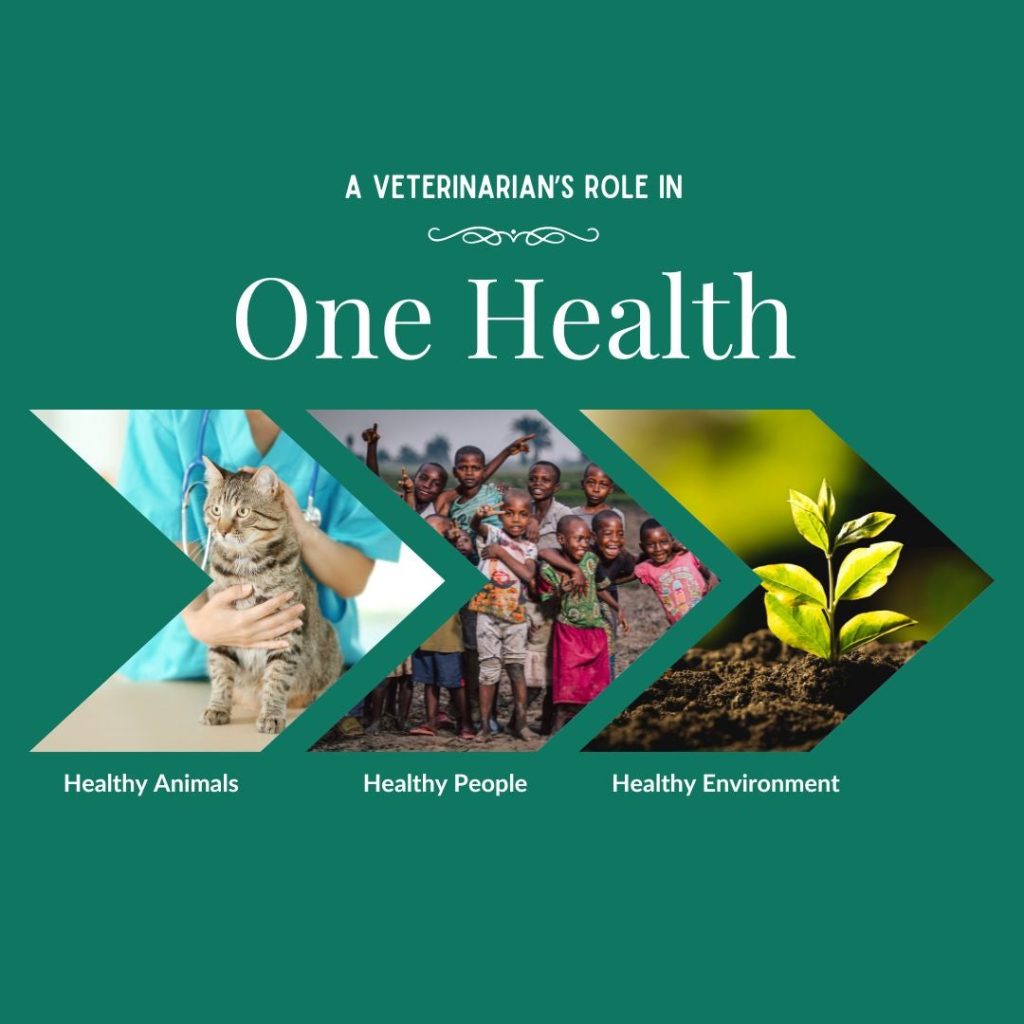
LEARN MORE: Click here to discover the role of nutrition in your pet’s health
The Therapeutic Role of Companion Animals in Recovery
In recent years, the integration of companion species into recovery environments has gained significant traction. The presence of animals in therapeutic settings brings forth invaluable benefits, fostering a robust support system for individuals navigating challenging times. Companion animals, such as specially trained dogs and cats, serve not only as sources of comfort but also as catalysts for emotional and physical recuperation. Their unique ability to form bonds with humans plays a critical role in enhancing the therapeutic process.
One of the most striking advantages of animal-assisted therapy (AAT) is its ability to create a sense of safety and unconditional acceptance. Research indicates that interactions with therapy animals can stimulate the production of serotonin, a neurotransmitter that enhances mood and alleviates feelings of loneliness. For those grappling with trauma or emotional distress, the simple act of petting or cuddling an animal can unlock pathways to emotional expression that may have been previously inaccessible.
- Reduction of physical pain: Evidence shows that patients engaged in AAT may experience a decrease in pain perception. For individuals recovering from surgeries or chronic illnesses, the distraction and emotional connection provided by animals can help mitigate discomfort during rehabilitation processes.
- Improved physical recovery: Including therapy animals in rehabilitation routines often leads to better outcomes. For instance, individuals recovering from stroke have reported increased motivation to engage in physical exercises when working alongside therapy dogs, which can result in faster recovery rates.
- Support for emotional regulation: Animals can provide a calming presence, helping individuals develop coping strategies for managing emotions that may arise during therapy. By nurturing their connections with animals, patients often find it easier to articulate feelings or confront difficult topics in a safe environment.
Additionally, the social aspect of AAT cannot be overlooked. Many programs have utilized animals to bridge gaps in communication among peer groups. For instance, in group therapy sessions, the presence of animals can promote discussions and enhance connections among participants, ultimately leading to greater shared understanding and support. This has proven particularly beneficial in settings serving adults with serious mental health disorders, where social interaction may be challenging.
Furthermore, dedicated organizations such as Pets for Vets and Canine Companions for Independence are instrumental in pairing individuals with appropriate therapy animals, enhancing the connection between resident needs and animal capabilities. These initiatives highlight how the pairing process is meticulous, ensuring compatibility and maximizing therapeutic benefits.
As studies continue to unveil the multifaceted impacts of companion species in recovery frameworks, we are reminded of the profound ways animals can enhance human resilience. The conjunction of AAT with clinical practices not only enriches recovery environments but also encourages a holistic approach that may redefine healing methodologies across various healthcare sectors.
| Advantages | Impact on Recovery |
|---|---|
| Emotional Support | Enhances feelings of safety and reduces anxiety. |
| Motivation for Activity | Encourages individuals to engage in physical activity, aiding rehabilitation. |
| Social Connectivity | Facilitates social interactions, instilling a sense of belonging. |
| Improved Mental Health | Reduces depression and enhances overall wellbeing. |
Animal-Assisted Therapy (AAT) is increasingly recognized for its multifaceted benefits in recovery environments. One primary advantage is the emotional support animals can provide, significantly enhancing feelings of safety, which can be pivotal for individuals battling trauma or mental health issues. Furthermore, the presence of a companion animal can motivate individuals to engage in physical activity, a vital component in many rehabilitation programs, pushing them towards recovery goals.Additionally, AAT plays a crucial role in fostering social connectivity. It encourages interactions not just between individuals and animals, but also among people, creating a supportive community atmosphere. Finally, the impact on mental health cannot be underestimated; the presence of animals has been shown to reduce depression and improve the overall state of wellbeing in recovery settings. This holistic approach presents a powerful avenue for healing that deserves further exploration and attention.
LEARN MORE: Click here for essential pet care tips
The Integrative Benefits of Animal-Assisted Therapy in Recovery Settings
The advantages of animal-assisted therapy (AAT) extend beyond emotional and physical well-being, encompassing social integration and the promotion of a sense of purpose in recovery environments. The unique bond between humans and companion species bridges emotional gaps and facilitates healing in profound ways. As recovery practices continue to evolve, the integration of therapy animals has emerged as not just a complementary treatment but a vital component of holistic rehabilitation protocols.
One aspect that is gaining attention is the role of animals in enhancing motivation among individuals undergoing recovery. AAT creates a dynamic where patients are more inclined to participate actively in their treatment plans. For instance, studies demonstrate that patients recovering from addiction issues are more likely to engage in group therapy sessions when therapy dogs are present. The animals foster a non-judgmental atmosphere that encourages discussions around personal challenges, helping individuals feel more at ease and willing to share their experiences.
Furthermore, the presence of companion animals can serve to improve cognitive function during the recovery process. Engaging in activities such as grooming or training a therapy animal can stimulate cognitive abilities and enhance fine motor skills, particularly in individuals suffering from neurological impairments. Cognitive activities involving animals also provide therapeutic distractions that can alleviate anxiety and improve concentration. For example, activities like walking a dog or playing fetch can help improve balance and coordination, essential factors for individuals undergoing physical rehabilitation.
- Facilitation of family dynamics: In many recovery scenarios, the stress and strain of treatment can impact family relationships significantly. Introducing therapy animals into family therapy sessions can create a relaxed and engaging environment for parents, children, and caregivers, encouraging open conversations and fostering unity among family members.
- Long-term emotional support: Companion animals can continue to support individuals long after formal therapy has ended. Many people establish enduring bonds with therapy animals, which can help in maintaining accountability and emotional stability during challenging life transitions.
- Breaking down stigma: The presence of therapy animals can play a significant role in reducing stigma associated with mental health issues. When individuals see animals acting as bridges for communication and connection, it can normalize conversations around mental illness, making recovery feel more accessible and less isolating.
Organizations focused on AAT are also becoming more prevalent across the United States, tailoring programs to meet specific community needs. For instance, Animal-Assisted Therapy Programs in Hospitals utilize a variety of therapy animals, from dogs to miniature horses, to cater to individuals in pediatrics, oncology, and mental health wards. These programs are essential in understanding the diverse ways animals can assist in creating a comfortable environment conducive to healing.
Moreover, community-based projects often feature therapy animal home visitations, wherein volunteers bring animals to individuals who may be homebound due to chronic conditions or disabilities. Such initiatives showcase the outreach potential of AAT, emphasizing the role of companion animals in combating isolation and promoting active participation in one’s recovery journey.
In exploring the full spectrum of benefits provided by AAT, we uncover the intricate tapestry of recovery that interweaves human-animal connections—a relationship that undeniably enriches the therapeutic landscape for individuals grappling with various challenges. This complex dynamic is paving new pathways for treatment, where the healing powers of companion species are being recognized as essential in recovery environments.
DON’T MISS: Click here to learn how to prepare for your new furry friend
Conclusion: The Essential Role of Companion Species in Recovery
In the realm of healing, the profound benefits of animal-assisted therapy (AAT) in recovery environments emerge as an innovative and empathetic approach to treatment. The integration of companion species into therapeutic practices transcends mere emotional support, facilitating significant advancements in physical, cognitive, and social dimensions of recovery. As practitioners continue to recognize the pivotal role that therapy animals can play—whether enhancing motivation, easing anxiety, or promoting family cohesion—it becomes evident that these bonds are not just beneficial but essential.
The enduring connection between humans and animals fosters emotional resilience, encourages open dialogue about mental health, and contributes to a supportive community atmosphere. By dismantling stereotypes associated with mental health struggles, AAT enhances accessibility to care, encouraging individuals to seek help without fear of judgment. Furthermore, initiatives that promote therapy animal visitations in various settings highlight the significance of companionship in combating loneliness and fostering active participation in recovery journeys.
As animal-assisted therapy programs continue to flourish across the United States, they not only serve to enrich individual lives but also pave the way for a broader understanding of recovery as a multifaceted journey. Embracing the potential of companion animals to act as catalysts for healing urges us to reevaluate traditional therapeutic frameworks, ensuring that future protocols are inclusive and holistic. In doing so, we acknowledge the invaluable role that our furry counterparts play in the path toward recovery—a reminder that healing can often come on four paws.