How the Environment Affects Pet Health: Tips for Creating a Safe and Healthy Space
Understanding the Impact of Environment on Pet Health
The wellness of our pets often hinges on more than just love, food, and regular vet visits. The environment where they live plays a crucial role in their overall health and happiness. Various factors in our surroundings can either positively or negatively affect pets, making it essential for pet owners to be aware of their impact on their furry companions. An awareness of these elements can significantly improve their quality of life and prevent serious health complications.
Air Quality
Air quality is a critical, yet often overlooked, factor in pet wellness. Just as humans can suffer from the impacts of pollutants and allergens, so can pets. Poor air quality due to smoke, mold, or chemicals from household cleaners can lead to respiratory issues, exacerbating conditions like asthma or allergies. For example, studies show that pets living in urban areas may be exposed to higher levels of particulate matter, which can lead to long-term health issues. Pet owners can improve air quality by ensuring proper ventilation, using air purifiers, and opting for non-toxic cleaning products.
Temperature Extremes
Both heat and cold can pose significant risks to pet health. In the United States, extreme temperatures are not uncommon, with scorching summers in places like Arizona and frigid winters in regions like Minnesota. Pets are not always equipped to handle these extremes. For instance, dogs can suffer from heatstroke if left in a hot car, while smaller breeds may be at risk of frostbite in cold climates. To mitigate these risks, pet owners should ensure their animals have access to climate-controlled environments, plenty of fresh water, and are never left outdoors for extended periods during extreme weather.
Physical Environment
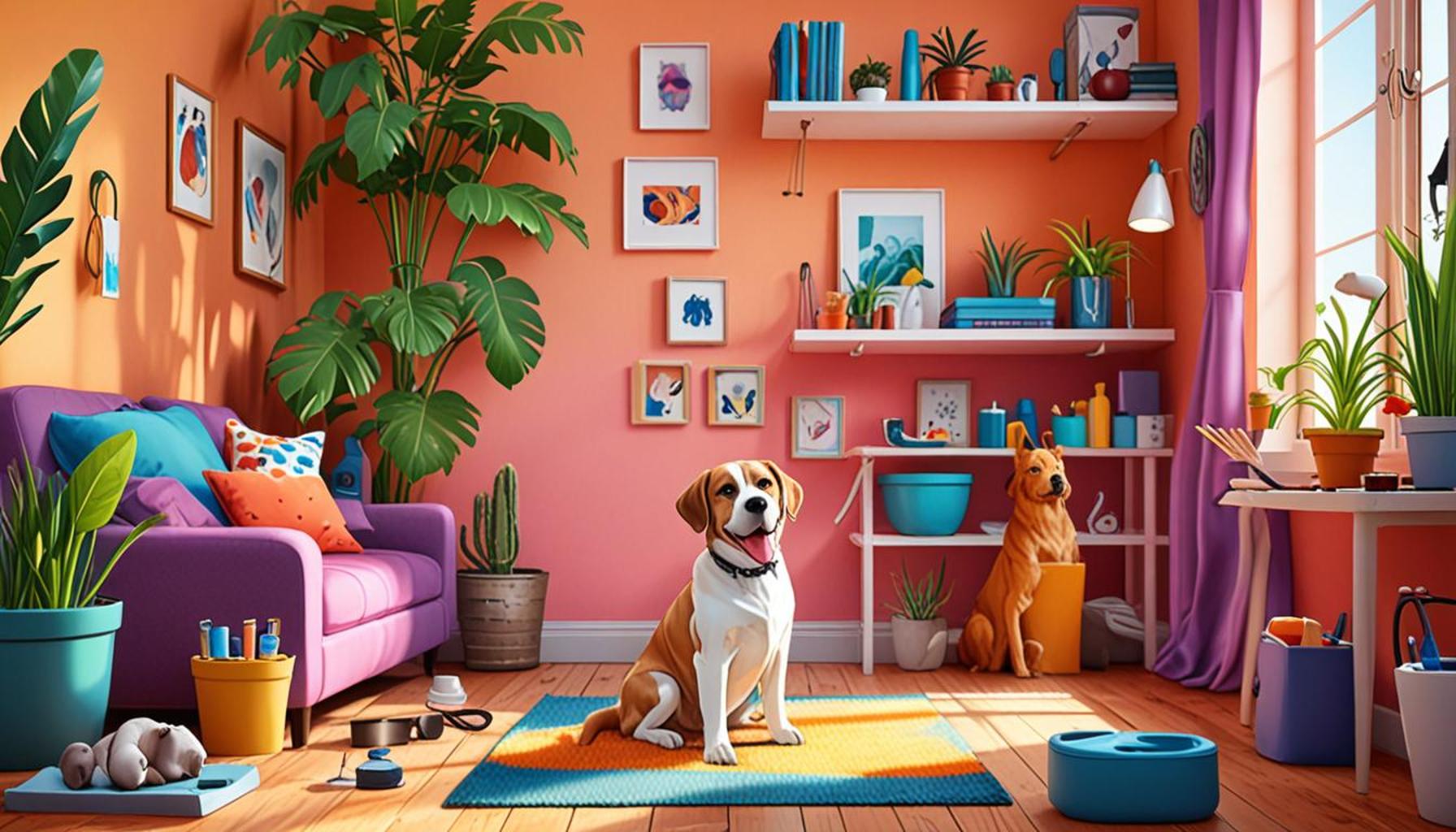
The physical environment of a home is essential for ensuring the safety and welfare of pets. Common household hazards include sharp objects like scissors or knives, as well as toxic plants such as lilies or azaleas, which can be fatal if ingested. It’s vital for pet owners to conduct regular safety checks around their homes and remove potential hazards. Additionally, ensuring pets have a designated safe space, free of clutter and dangers, can help them feel secure and reduce anxiety.
Nutritional Surroundings
Access to safe and healthy food sources directly affects pet wellbeing. Unfortunately, not all pet foods are created equal. With the prevalence of low-quality ingredients in some commercial pet foods, a pet’s diet can become a health concern. Owners should partake in informed decision-making regarding their pet’s nutrition, opting for high-quality, nutritious options that meet their specific dietary needs. Moreover, a promise to routinely check for food recalls can prevent accidental poisoning or foodborne illnesses, keeping pets safe and healthy.

Creating a Safe Haven for Pets
By understanding these environmental factors, pet owners can create a safe haven for their furry friends. Taking proactive measures to shield pets from risks can lead to a happier, healthier life while preventing serious health issues down the line. In doing so, owners not only enhance the wellbeing of their pets but also deepen the bond between them, fostering a mutual understanding that transcends words.
This insight into the environmental influences on pet health invites readers to reflect on their surroundings and consider necessary adjustments to ensure that their pets thrive, regardless of their breed or size. The journey towards a healthier pet begins with a safe and nurturing environment.
LEARN MORE: Click here for essential pet health tips
Key Environmental Factors Impacting Pet Health
Understanding how the environment influences pet health is paramount for every responsible pet owner. Beyond just providing food, water, and love, the surrounding conditions can heavily shape your pet’s wellbeing. Here, we delve deeper into specific environmental factors that can affect pets, offering practical tips to foster a safe and healthy living space for them.
Noise Pollution
Noise pollution is another critical, yet often underestimated, aspect of the environment. Loud noises such as traffic, construction, or neighborhood disturbances can cause significant stress and anxiety in pets. According to research, animals are more sensitive to sounds than humans, which can lead to increased heart rates and anxiety levels. Prolonged exposure to a noisy environment can result in behavioral issues, including aggression or excessive barking.
To combat noise pollution, consider implementing the following strategies:
- Designate a Quiet Space: Create a peaceful retreat for your pet, away from noise sources, where they can relax and feel secure.
- Soundproofing Techniques: Use rugs, curtains, or acoustic panels to absorb sound and reduce noise entry into your home.
- Calming Aids: Consider using white noise machines or calming music designed for pets to help buffer unwanted sounds.
Exposure to Toxic Substances
Exposure to toxic substances in the environment can threaten pet health directly. Many common household items, from cleaning products to landscaping chemicals, can be hazardous if ingested or inhaled. For example, common cleaning substances like bleach or ammonia can lead to severe respiratory issues or gastrointestinal distress in pets. Similarly, pesticides and fertilizers used outdoors can cause serious poisoning if pets come into contact with treated areas.
To safeguard your pets from toxic exposures, follow these guidelines:
- Choose Non-Toxic Products: Whenever possible, opt for pet-safe cleaning agents and gardening supplies.
- Storage Solutions: Store dangerous items in cabinets or areas that are inaccessible to your pets.
- Regular Yard Checks: Routinely inspect outdoor areas for harmful chemicals and keep pets away from recently treated spaces.
Physical Activity Space
The availability of safe physical activity space is another cornerstone of pet health. Pets need ample room to exercise and explore; without it, they can become bored or overweight. Lack of movement can lead to serious health problems, including obesity, diabetes, and heart disease. A well-enclosed yard, nearby parks, or even a designated indoor play area can help cater to your pet’s exercise needs.
To ensure your pet gets enough exercise, you might consider:
- Daily Walks: Commit to daily walks, as they offer both physical exercise and mental stimulation.
- Playtime: Engage with your pet using toys, games, and interactive activities to keep them physically and mentally fit.
- Photo Opportunities: Utilize local parks to vary the scenery, which can help keep your pet mentally stimulated while exercising.
By addressing and understanding these environmental factors, pet owners can create a thriving and healthy space, which is key to ensuring the wellbeing of their pets. Recognizing these challenges is the first step toward creating a nurturing environment that fosters happiness and health in pets.
Understanding Environmental Impacts on Pet Health
The environment plays a crucial role in the overall health and well-being of our pets. Factors such as air quality, temperature, and the presence of hazardous materials can significantly influence both physical and mental health. With a few simple adjustments, pet owners can create a safer, healthier space for their furry companions.One key aspect to consider is air quality. Indoor air pollutants, including dust, mold, and chemicals from cleaning products, can lead to respiratory issues in pets. Having proper ventilation and using pet-safe cleaning products can greatly improve the air quality in your home. Planting indoor greenery not only enhances the aesthetic but can also contribute to cleaner air, as certain plants are known to fight toxins.Another concern is temperature regulation. Pets are sensitive to extreme temperatures, whether too hot or too cold. Maintaining a comfortable environment is essential. Make sure that there are adequate shade options during hot summer months and cozy, warm spots for winter. Using pet-specific bedding can help in maintaining an optimal sleeping temperature.Safety is paramount as well. Ensure that your home is free from toxic substances, such as antifreeze and certain houseplants that can be harmful to pets. Implementing child-proof locks on cabinets containing harmful materials can prevent accidents. Regularly checking and removing any hazardous items from your pet’s play area is also a good practice.Outdoor spaces also pose unique challenges. Ensuring a safe yard environment involves regular checks for harmful plants, chemicals, and even garden tools. Practicing sustainable gardening, avoiding harmful pesticides, and using organic fertilizers can promote a healthier environment not just for pets but for all wildlife.Emotional health is equally important. A stimulating living space with enrichment activities, such as toys and designated play areas, greatly supports mental well-being. Social interactions with their owners and other pets can alleviate stress and anxiety, contributing to a happier, healthier life.Incorporating these practices promotes an environment that nurtures both physical and emotional health. Thus, pet owners can ensure their companions thrive harmoniously within their living spaces.
DISCOVER: Click here to learn why socialization is key for your dog’s well-being
Creating a Pet-Friendly Environment
In addition to understanding the various environmental factors affecting pet health, it is crucial to take actionable steps in creating a pet-friendly environment. The space where your pet lives, plays, and explores significantly impacts their physical and mental wellbeing. Below are several important aspects to consider when developing a safe and healthy living space for your pets.
Indoor Air Quality
The quality of indoor air can dramatically influence your pet’s health. Pets are susceptible to respiratory issues caused by dust, pollen, mold, and indoor pollutants. A report from the EPA highlights that indoor air can often be more polluted than outdoor air, which can be harmful not only to humans but to pets as well. Ensuring a clean environment will help reduce health risks, particularly for those pets with pre-existing respiratory concerns.
To improve indoor air quality for your pets, consider these strategies:
- Regular Cleaning: Frequently vacuum carpets and furniture to reduce dust and allergens. Pay special attention to areas where your pets spend the most time.
- Air Purifiers: Invest in air purifiers equipped with HEPA filters to minimize airborne particles and allergens.
- Adequate Ventilation: Open windows whenever possible to allow fresh air circulation and to help dissipate indoor pollutants.
Natural Light Exposure
Natural light plays a crucial role not only in improving mood but also in regulating circadian rhythms. Pets require exposure to natural light for optimal health; it aids in the synthesis of Vitamin D, which is vital for bone health and immune function. Alaskan Malamutes and other breeds tend to thrive in brightly lit environments and can exhibit signs of depression or lethargy if that exposure is limited.
To improve your pet’s access to natural light, consider these options:
- Strategic Layout: Arrange furniture to allow maximum sunlight to flow through your home, enabling pets to bask in the sun during the day.
- Window Perches: Install cat perches or dog beds near windows, allowing pets to enjoy sunshine while observing the outside world.
- Outdoor Access: Provide safe outdoor access, such as fenced yards or balconies, where pets can enjoy sunlight while being secure.
Temperature Control
The temperature of your living environment significantly impacts your pet’s comfort and overall health. Pets can suffer from heat exhaustion in high temperatures and hypothermia during cold seasons. Different breeds have varying tolerances to temperature; for example, short-haired pets are more vulnerable to cold, while brachycephalic breeds, like Bulldogs, struggle with heat.
Here are some ways to regulate your home’s temperature for your pets:
- Climate Control Systems: Use air conditioning or heating systems to maintain a comfortable temperature for your pets year-round.
- Pet Cooling Products: Consider purchasing cooling mats or vests for pets during hot summer periods to help prevent heat-related illnesses.
- Safe Outdoor Limits: Monitor how long your pets remain outside in extreme temperatures, ensuring they have shaded areas or cozy spots available at all times.
By actively working on these aspects of your home environment, pet owners can create a haven that fosters both happiness and health. Ensuring a pet-friendly atmosphere allows for higher energy levels, better mood, and a decreased risk of health-related issues, ultimately leading to a happier and healthier pet.
DISCOVER MORE: Click here to learn about building a strong bond with your pet</
Conclusion
In conclusion, our environment plays a pivotal role in shaping the health and happiness of our beloved pets. From indoor air quality to temperature control and natural light exposure, understanding the impact of these factors allows pet owners to adopt proactive measures for their furry companions. Regular cleaning, enhancing ventilation, and incorporating air purifiers can drastically reduce respiratory risks, while strategic home layouts can provide optimal sunlight for mood enhancement and overall wellbeing.
Moreover, recognizing each pet’s unique environmental needs—particularly when it comes to their temperature preferences—can safeguard them against heat exhaustion and chilly discomfort. As responsible pet owners, it is our duty to cultivate an environment that nurtures their physical health and emotional happiness. By investing time and resources into creating a safe, healthy living space, we enhance not only the quality of our pets’ lives but also the bonds we share with them.
The journey towards a pet-friendly home is an ongoing process that evolves with the seasons, technology, and our pets’ changing needs. Therefore, it’s essential to stay informed and continue exploring innovative ideas for optimizing their environment. As you make these improvements, remember that a little effort goes a long way in ensuring a vibrant and joyful life for your pet. Ultimately, a safe and healthy space is not just a luxury—it’s a fundamental foundation for a happy companionship.