
Positive Reinforcement Techniques in Dog Training: How to Build a Strong Bond with Your Pet
Understanding Positive Reinforcement in Dog Training
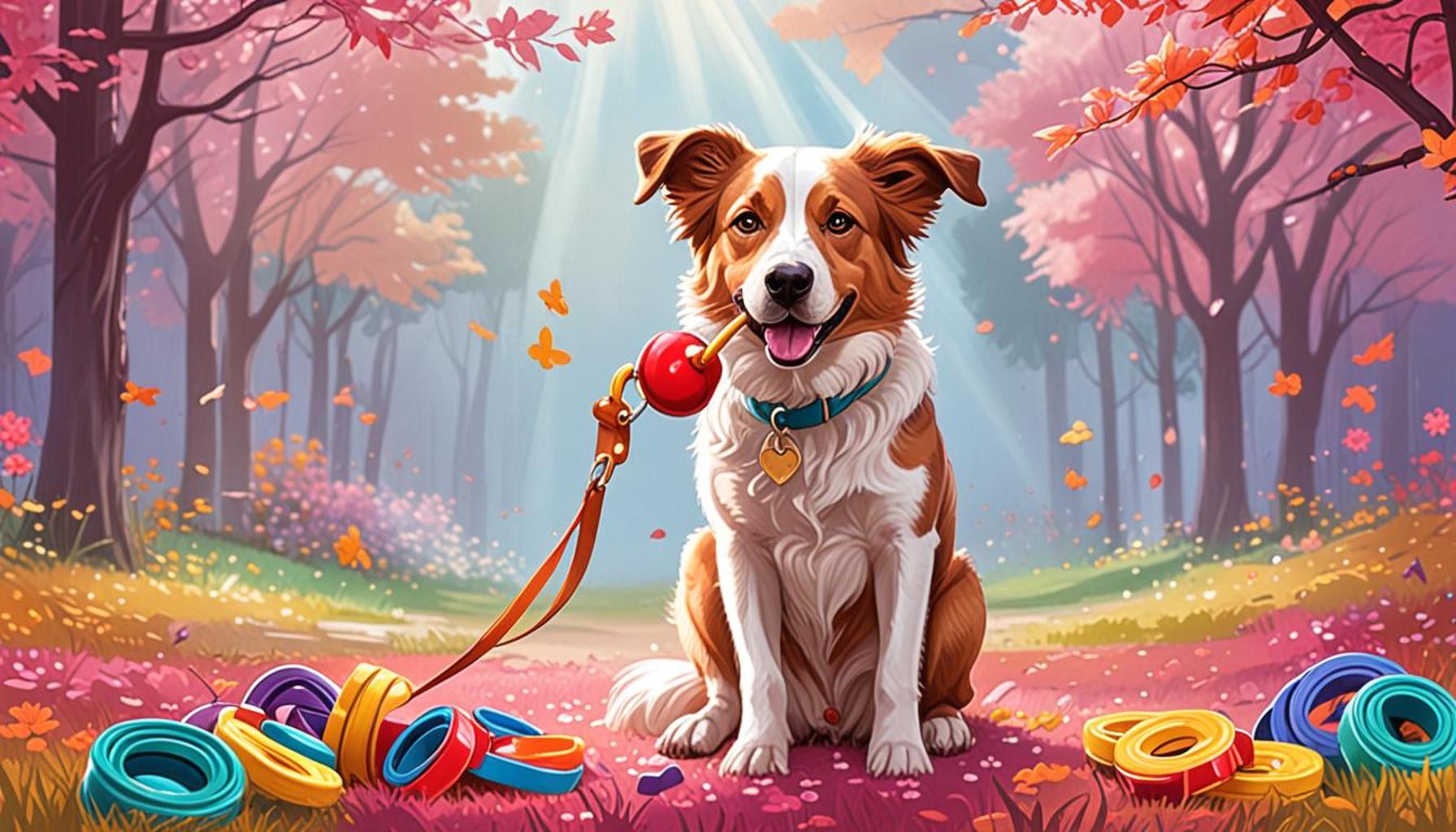
The bond between a dog and its owner is a unique and rewarding relationship that thrives on trust and mutual understanding. Positive reinforcement techniques play a pivotal role in nurturing this relationship, providing a pathway to effective training while enriching the emotional connection shared with your four-legged friend. This approach is built on the fundamental premise of rewarding desirable behaviors rather than adhering to correction-based training methods that may lead to fear or anxiety. By adopting positive reinforcement, both owner and dog can enjoy a more harmonious life together.
Key Elements of Positive Reinforcement
Every dog is unique, and understanding the various components of positive reinforcement can help tailor your training approach to better meet your dog’s individual needs. Here are three fundamental techniques that can make a significant impact:
- Treats: Utilizing high-value treats—small, bite-sized pieces of your dog’s favorite food—can be an incredibly effective motivator. For example, if your dog loves chicken or cheese, awarding them with a piece every time they successfully follow a command can create a strong positive association with the behavior you are aiming to reinforce. Over time, your dog will eagerly anticipate their training sessions as rewarding experiences.
- Verbal Praise: Your voice provides reassurance and encouragement. Simple phrases like “Good boy!” or “Well done!” not only reinforce your dog’s good actions but also strengthen the bond between you. Dogs are highly perceptive to human emotions; your excitement and enthusiasm in your tone can elevate your dog’s spirits just as much as any treat could.
- Playtime: Integrating fun activities as a form of reward can transform training sessions into joyful playdates. If your dog excels at a particular command, celebrating with their favorite game, be it fetch or tug-of-war, can significantly enhance their motivation. This way, your pup will associate learning with enjoyment, making them more eager to engage in training.
The Benefits of Positive Reinforcement
Research indicates that dogs trained with positive methods tend to be more confident, exhibiting reduced levels of anxiety compared to their counterparts subject to more traditional training models. When dog owners emphasize what their pet does well, they cultivate an environment conducive to learning and trust. The result is a pet that is not only obedient but also emotionally secure and happy.
The adventures of dog training are an opportunity for you to delve deeper into your dog’s psyche. Committing to positive reinforcement opens up avenues for exploration—whether it’s learning tricks, obedience commands, or even socialization skills. As you engage in this journey, you may find not just a better-behaved dog, but a more enriched, loyal companion in your life.
As you embark on this rewarding training journey, remember that patience and consistency are key. Each small success builds on the last, creating a cumulative effect that strengthens your bond and enhances your dog’s learning experience. So embrace the joy and satisfaction that comes with positive reinforcement, and watch your furry friend thrive.
DISCOVER MORE: Click here for essential veterinary insights
Implementing Effective Positive Reinforcement Techniques
To fully grasp the essence of positive reinforcement techniques in dog training, it’s essential to understand how to effectively implement these methods in your daily interactions with your pet. Successful dog training requires more than just rewards; it encompasses an understanding of your dog’s behavior and a commitment to fostering an environment that encourages learning and growth. Here are several actionable strategies to consider:
Timing is Everything
One of the most critical aspects of positive reinforcement is the timing of the reward. A prompt reward following a desired behavior helps your dog associate the action with the treat or praise. For example, if your dog sits on command, offering a treat immediately reinforces that action, making it more likely they will repeat it. This concept, known in the training world as operant conditioning, emphasizes the importance of correlating actions with rewards.
Consistency Builds Understanding
Consistency is vital when employing positive reinforcement. Using the same commands and rewards will help your dog learn more quickly and confidently. For instance, if you consistently use the command “sit” and reward that action with a treat every time, your dog will recognize the behavior and its corresponding reward. This uniformity fosters a more robust learning environment, making it easier for your pet to grasp what’s expected of them. Here are key points to ensure consistency:
- Use Clear Commands: Stick to simple and distinct commands to avoid confusion.
- Reward Regularly: Be sure to reward your dog each time they perform the desired behavior, especially during the initial training stages.
- Involve All Family Members: Ensure that everyone in your household uses the same training methods to maintain a coherent approach.
Gradually Increase Challenges
As your dog masters basic commands, it’s important to gradually introduce more complex behaviors to maintain their interest and stimulate their mental acuity. This can include adding distractions, changing environments, or introducing new commands. This gradual progression keeps your training sessions dynamic and engaging for your dog, which is crucial for retaining a strong emotional bond. Here are some suggestions to consider when elevating your training:
- Introduce New Commands: After your dog successfully learns a command, challenge them with new ones to enhance their skillset.
- Vary Your Locations: Training in different locations, such as a park or your backyard, can help generalize the commands they have learned.
- Add Distractions: Practice commands around other people or pets to help your dog focus amidst distractions.
Utilizing positive reinforcement techniques in dog training not only creates a well-behaved pet but also instills a sense of trust and respect in the owner-dog relationship. As you implement these methods, you’ll pave the way for a happy, cooperative, and loving partnership with your furry friend.
Understanding Positive Reinforcement Techniques
Positive reinforcement is a powerful tool in dog training that focuses on rewarding desirable behaviors rather than punishing undesired actions. This method not only helps to teach your dog commands effectively but also fosters a strong, trusting relationship between you and your pet. By consistently offering praise, treats, or playtime as rewards, you create an environment where your dog feels loved and secure, enhancing their willingness to learn and bond with you.When implementing positive reinforcement techniques, it’s crucial to understand the timing of rewards. Delivering a reward immediately after your dog performs the desired behavior is essential, as it helps them associate the action with a positive outcome. This can be as simple as giving a treat when your dog sits on command or offering praise when they refrain from barking unnecessarily.Moreover, it’s important to vary your rewards to maintain your dog’s interest. Different dogs respond uniquely to various types of rewards. Some might be more motivated by tasty treats, while others may thrive on affection or playtime. Experimenting with different reward systems allows you to tailor your training approach to your dog’s preferences, making the learning process more enjoyable.Proper use of positive reinforcement can also alleviate common behavioral issues. For instance, if your dog tends to jump on visitors, rewarding them for remaining calm and seated when guests arrive can gradually curtail this unwanted behavior. The key lies in patience and consistency, ensuring that you regularly reinforce the positive behavior until it becomes second nature to your pet.Building a strong bond through positive reinforcement also means being aware of your dog’s emotional state. Understanding their body language and responding to their cues can deepen your connection. Recognizing when your dog is feeling anxious or overwhelmed allows you to adjust your training approach, ensuring that the process remains enjoyable and stress-free for both you and your pet.Engaging in positive reinforcement training sessions not only enhances your dog’s social skills but encourages them to look to you for guidance and trust. This establishes a solid foundation for a lasting and meaningful companionship, as your dog learns that good behavior results in positive interactions with you.
| Advantage | Description |
|---|---|
| Strengthened Bond | Promotes trust and closeness between dog and owner. |
| Enhanced Learning | Encourages quick understanding of commands and good behavior. |
| Behavior Correction | Reduces unwanted behaviors by rewarding positive actions. |
| Positive Environment | Creates a safe space where dogs feel valued and confident. |
By utilizing positive reinforcement techniques effectively, you will not only train your dog but also build a profound and lasting relationship built on love, trust, and mutual respect. For more insights on fostering a closer bond with your dog, explore our extensive resources and expert tips on positive reinforcement training.
DISCOVER MORE: Click here to learn effective cat training techniques
Strengthening Your Bond Through Play and Engagement
Another effective strategy for using positive reinforcement techniques in dog training is integrating play and engagement into your sessions. Engaging in fun activities not only reinforces desired behaviors but also deepens the emotional connection between you and your dog. Here are some methods to consider:
Incorporate Play into Training
Training doesn’t have to be a rigid affair; incorporating play can significantly enhance your dog’s learning experience. For instance, using a favorite toy as a reward after performing a command can combine fun and learning. When your dog successfully rolls over or comes when called, throw their toy as a reward. This not only reinforces the behavior but adds an element of excitement that makes training more enjoyable.
Work on Training with Interactive Games
Interactive games like hide-and-seek can also serve as excellent training tools. For example, ask your dog to stay while you hide in another room, then call them to come find you. When they locate you, reward them with praise and treats. Such activities not only reinforce the “stay” and “come” commands but also stimulate their natural instincts and instincts, leading to better problem-solving skills.
Utilizing Positive Social Reinforcement
Dogs are social animals, and positive social reinforcement, such as affection, praise, or petting, plays a crucial role in their training. Use enthusiastic verbal praise when your dog performs a desired behavior to help them associate that action with positive feelings. Attributes such as excitement in your voice can tremendously affirm the bond you have with your pet. Here are a few crucial aspects to consider:
- Vocal Tone: Using an upbeat, excited voice will help your dog recognize and engage with positive feedback more effectively.
- Physical Affection: Petting, cuddling, or a quick belly rub can provide a tangible expression of your approval, further solidifying the bond between you and your furry friend.
Creating Structure Through Routine
Establishing a daily routine can significantly benefit your dog’s training practices. Dogs thrive on predictability, and creating a training schedule helps them know when to expect learning and playtime. For instance, include dedicated training sessions each day as part of your morning or evening routines. Over time, your dog will look forward to these sessions, making them even more eager to participate.
Moreover, pairing training with essential daily tasks, such as walking or feeding your dog, can turn mundane routines into learning opportunities. Asking your dog to sit or wait before receiving their meal not only teaches desired behaviors but fosters a sense of cooperation, which is essential in building trust and a solid partnership.
Ultimately, the goal of utilizing effective positive reinforcement techniques in dog training is to nurture a deep and meaningful bond with your pet. By incorporating play, social reinforcers, and consistent routines into your training methods, you will create a harmonious relationship founded on respect, communication, and mutual enjoyment.
DISCOVER MORE: Click here to learn how adoption changes lives
Conclusion: Fostering a Lifelong Connection with Your Dog
In conclusion, utilizing positive reinforcement techniques in dog training is an invaluable approach for not only teaching commands but also for cultivating a profound and lasting bond with your furry companion. As we explored, the integration of fun, play, and social reinforcement transforms the training routine into an enriching experience for both you and your dog. This method fosters a love for learning, making training sessions a highlight of your dog’s day rather than a chore.
Furthermore, establishing a consistent structure through routine enhances predictability and stability for your pet, fostering trust and cooperation. When dogs are engaged, rewarded, and given the praise they crave, they develop a deeper sense of belonging and security within the family unit.
To maximize the effectiveness of your training, remember that every interaction is an opportunity to build your relationship. By using varied training techniques that incorporate play, social rewards, and routine, your dog will not only learn commands but also understand their place as a valued member of the home. As you embark on this delightful journey of training, keep the focus on positivity and connection, ensuring that the training experience is mutually enjoyable.
Ultimately, the goal of positive reinforcement is to celebrate each small victory, deepen the bond, and create a harmonious partnership with your pet. Together, you can navigate life’s adventures, enhancing the joy and companionship that comes with having a dog by your side.