
Supplements for Pets: When and How to Use Them to Improve Pet Health
The Rise of Pet Supplements
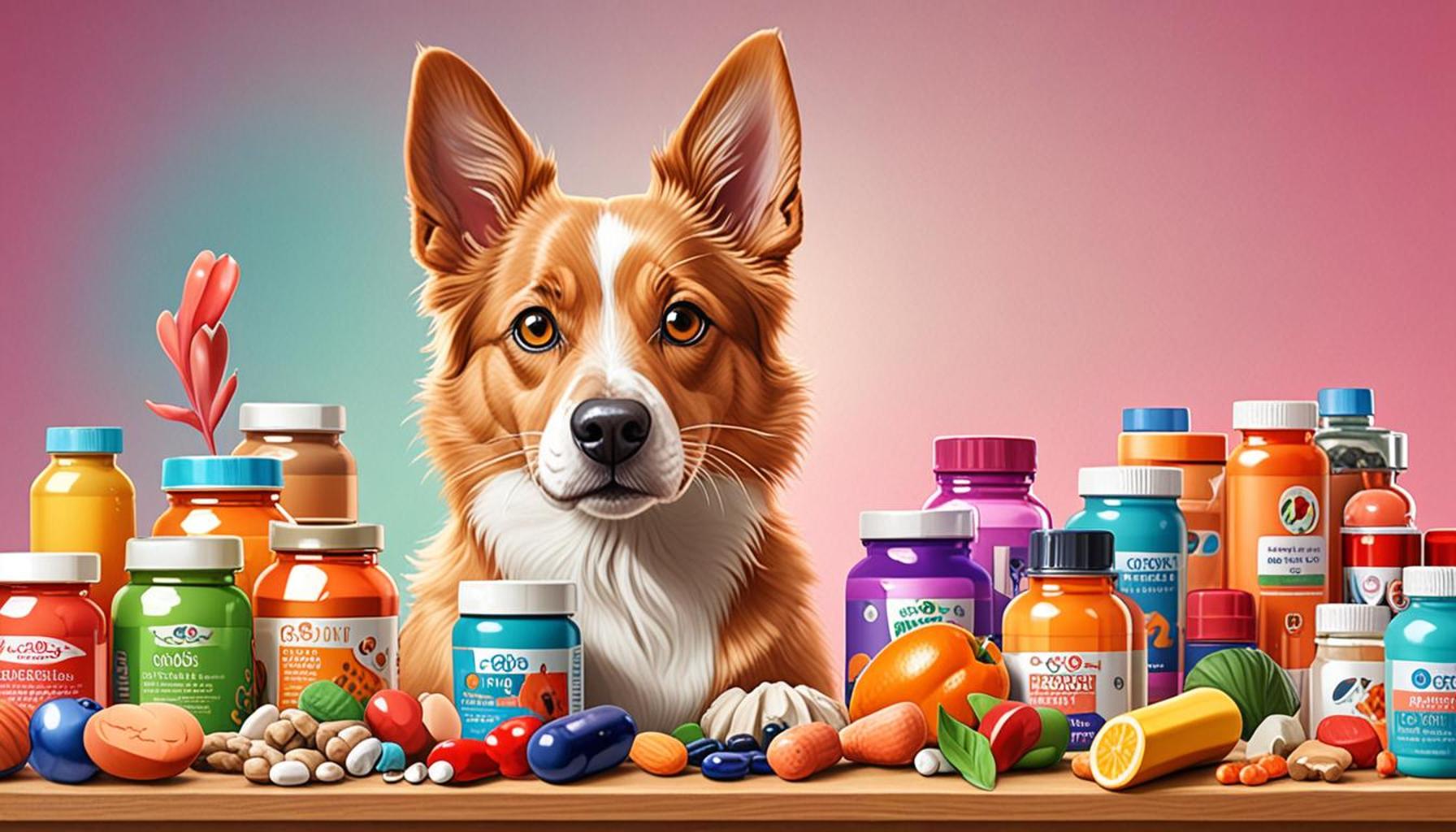
In recent years, the booming pet care industry has seen a significant increase in the use of supplements for pets, designed to enhance the health and vitality of our four-legged friends. With more than two-thirds of American households owning a pet, it’s no surprise that many owners are eager to provide their companions with products that promise to improve their quality of life. However, navigating the extensive variety of options available can be overwhelming, which makes it crucial to understand the different types of supplements and their intended benefits.
Categories of Pet Supplements
Pet supplements can generally be classified into several categories, each serving distinct purposes:
- Vitamins and Minerals: Essential nutrients that support overall health. For instance, Vitamin E acts as an antioxidant, protecting cell membranes, while calcium is vital for bone health.
- Omega Fatty Acids: These are particularly beneficial for promoting healthy skin and coat. Fish oil supplements, rich in Omega-3 fatty acids, can help alleviate skin allergies and improve coat shine.
- Probiotics: These beneficial bacteria support digestive health, making them ideal for pets experiencing gastrointestinal issues. Specific strains of probiotics can even help reduce anxiety in pets.
- Glucosamine and Chondroitin: These supplements play a critical role in maintaining joint health, especially in older pets. Studies have shown that regular intake can improve mobility and reduce pain in arthritic pets.
When to Consider Supplements
Knowing when to introduce these supplements into your pet’s diet is vital for maximizing their benefits. Several factors should be considered:
- Your pet’s age and breed: Puppies and kittens often benefit from different nutrients compared to senior dogs and cats. For example, larger dog breeds may require joint supplements early in life to prevent degenerative issues.
- Specific health conditions: Conditions such as diabetes or allergies may necessitate tailored supplements. For example, pets with skin sensitivities might benefit from Omega fatty acids.
- Dietary deficiencies: An unbalanced or low-quality diet can lead to deficiencies in essential nutrients. Assessing your pet’s diet to identify gaps is crucial before determining appropriate supplements.
Consulting with a Veterinarian
Before introducing any new supplement to your pet’s regimen, it is paramount to consult with a veterinarian. This professional guidance ensures that you make informed decisions tailored to your pet’s unique needs. A vet can help you evaluate the necessity of supplements and recommend the right brands and dosages, ensuring safety and effectiveness.
With the right knowledge and professional advice, pet owners can confidently explore various supplement options, enhancing their pets’ health and well-being. As you embark on this journey to better your pet’s life, consider starting with dietary adjustments alongside appropriate supplements to maximize health benefits. Your furry companions deserve the best care as they bring joy and companionship into your life!
LEARN MORE: Click here for essential tips
Understanding the Benefits of Pet Supplements
Pet supplements serve as a valuable tool in enhancing the overall health and longevity of our furry companions. Each supplement is designed with specific formulas that cater to various health needs, helping to fill gaps in nutrition or to support existing health conditions. As many pet owners become more educated about their pets’ health needs, the demand for well-researched and effective supplements continues to rise.
Exploring Popular Supplements
Among the myriad of options available, some supplements stand out due to their proven benefits. Here’s a closer look at a few of the most popular types:
- Vitamins and Minerals: These are fundamental to a pet’s well-being. For example, Vitamin B is critical for energy metabolism, while Vitamin D aids in calcium absorption for healthy bones. When pets are on a specialized diet, it might lack essential micronutrients, making supplementation necessary.
- Probiotics: With a focus on pet gut health, probiotics have gained attention for their role in digestion and maintaining a balanced intestinal flora. Not only do they aid in digestive issues such as diarrhea, but they can also help pets who experience stress during travel or changes in routine.
- Omega Fatty Acids: These fats are often included in diets to promote a shiny coat and healthy skin. The anti-inflammatory properties of Omega-3 can also assist with allergies and conditions like arthritis, making them a versatile choice for many pets.
- Joint Health Formulas: Composed of ingredients like glucosamine and chondroitin, these supplements are imperative for older pets or those predisposed to joint issues. Regular use can lead to not only improved mobility but also enhanced quality of life as pets age.
How to Incorporate Supplements into Your Pet’s Diet
The introduction of supplements into your pet’s daily routine should be approached thoughtfully. Here’s how to effectively incorporate them:
- Start Slow: Gradually introduce the supplement to monitor any changes in behavior or health. This allows you to assess tolerance and effectiveness.
- Mix with Food: Many pets will accept supplements more readily if they are mixed into their regular meals. This can prevent any fussiness and ensure full consumption.
- Monitor for Changes: Keep an eye on your pet after starting a supplement. Look for improvements in energy, coat condition, digestion, and overall behavior as indicators of effectiveness.
- Stay Consistent: To see lasting benefits, consistency is key. Following the recommended dosage and frequency will help your pet reap the maximum benefits from the supplement.
Understanding the role of pet supplements is crucial for any pet owner looking to enhance their pet’s health. By choosing the right supplements and incorporating them effectively into your pet’s diet, you can help ensure they lead a happy and healthy life. Remember, consulting with your veterinarian is essential to tailor supplement choices to your pet’s unique health requirements, ensuring that you are making well-informed decisions for their welfare.
| Category | Key Benefits |
|---|---|
| Vitamins and Minerals | Essential for immune function and metabolic processes. |
| Probiotics | Promotes digestive health and can enhance nutrient absorption. |
| Omega Fatty Acids | Supports skin & coat health and reduces inflammation. |
| Antioxidants | Combat oxidative stress and improve overall vitality. |
Incorporating supplements into your pet’s diet can be a proactive step towards enhancing their health. Understanding when and how to use these aids is crucial for optimal benefits. For instance, starting younger pets on vitamins and minerals can help in developing a robust immune system. As pets age, the use of omega fatty acids can be beneficial in addressing joint issues and maintaining healthy skin. Additionally, regularly adding probiotics can significantly contribute to better digestive health, particularly in pets prone to gastrointestinal issues. While exploring supplements, make sure to consult with a veterinarian to tailor the regimen based on your pet’s specific needs. By prioritizing their well-being through informed choices about supplements, pet owners can foster a longer, healthier life for their cherished companions.
DISCOVER MORE: Click here to learn about the importance of proper nutrition for your pet’s health
The Importance of Quality and Safety in Pet Supplements
As the market for pet supplements continues to grow, the significance of quality and safety cannot be overstated. With various brands and types of supplements readily available, pet owners must navigate the options carefully to avoid potential risks. The truth is that not all supplements are created equal; some may contain harmful additives, while others may not have the potency they claim.
Choosing High-Quality Supplements
When selecting supplements for your pet, consider the following criteria to ensure quality:
- Third-Party Testing: Look for supplements that have undergone rigorous testing by independent laboratories. Certifications from organizations like the National Animal Supplement Council (NASC) can provide assurance of product safety and efficacy.
- Ingredient Transparency: An ideal supplement should have a clear ingredient list and dosage instructions. Look for products that use high-grade, natural ingredients and avoid those with artificial colors, flavors, or fillers.
- Veterinary Recommendations: Consult with a veterinarian who can recommend reputable brands known for their quality and safety. They can provide insights into specific formulations that address your pet’s health needs.
Potential Risks of Improper Supplementation
While many pet supplements can be beneficial, improper use can lead to adverse effects. Over-supplementation of vitamins and minerals can result in toxicity. For example, excess Vitamin A can potentially harm a pet’s liver, while too much calcium can lead to kidney problems. Therefore, veterinary guidance is crucial.
Additionally, it’s important to consider your pet’s specific conditions. For instance, pets with pre-existing health issues, such as kidney disease or diabetes, might have different nutritional needs and restrictions. If you’re unsure whether a supplement is appropriate for your pet, a veterinarian’s input is always advised.
Monitoring Health Improvements
Once a pet supplement is introduced, it’s vital to monitor its impact closely. Pet owners should keep track of changes in their pet’s behavior, energy levels, and physical appearance. Long-term improvements can often be subtle, so regular check-ins are necessary.
- Record Observations: Keep a journal of your pet’s behavior and health indicators. Note any changes that occur after beginning the supplement; these insights can be invaluable during veterinary consultations.
- Adjust as Necessary: If no positive changes are noted after a couple of weeks or if any concerning symptoms arise, consider revisiting the chosen supplement. Sometimes, a different formulation or dosage may be necessary to achieve the desired effect.
- Regular Vet Visits: Incorporate regular check-ups into your pet’s routine. These visits help monitor the effectiveness of supplements, allowing for informed adjustments based on your veterinarian’s feedback.
By prioritizing supplement quality and safety while being proactive about monitoring health changes, you can better position your pet for a rich, vibrant life. Navigating the world of pet supplements can be complex, but staying informed and consulting with professionals will greatly enhance your pet’s health and well-being.
DISCOVER MORE: Click here to learn about dog breed nutrition
Conclusion: Empowering Pet Wellness through Informed Supplementation
In an age where pet owners are more dedicated than ever to enhancing their furry companions’ health and vitality, pet supplements can play a crucial role in this journey. However, ensuring optimal benefits from these products requires a nuanced understanding of when and how to use them effectively. As discussed, prioritizing high-quality supplements that undergo rigorous testing and can be transparently traced back to their ingredients is of utmost importance. Ensuring that you rely on recommendations from veterinary professionals can effectively tailor supplementation to your pet’s specific needs, especially for those with pre-existing health conditions.
Moreover, the practice of diligent monitoring cannot be overstated. By observing changes in your pet’s behavior and health over time, you empower yourself to make informed decisions about supplementation, allowing for adjustments that can significantly enhance their well-being. An individualized approach considers both the potential benefits and the risks associated with improper use, reinforcing the need for veterinary guidance throughout this process.
Ultimately, while the realm of pet supplements is vast and sometimes overwhelming, approaching it with care, education, and professional advice can lead to remarkable improvements in your pet’s health. By embracing a holistic view of wellness, pet owners can create a supportive environment that champions the longevity, happiness, and health of their beloved animals. A proactive investment in their health not only enriches their lives but also deepens the bond shared, making for a more vibrant and fulfilling life together.