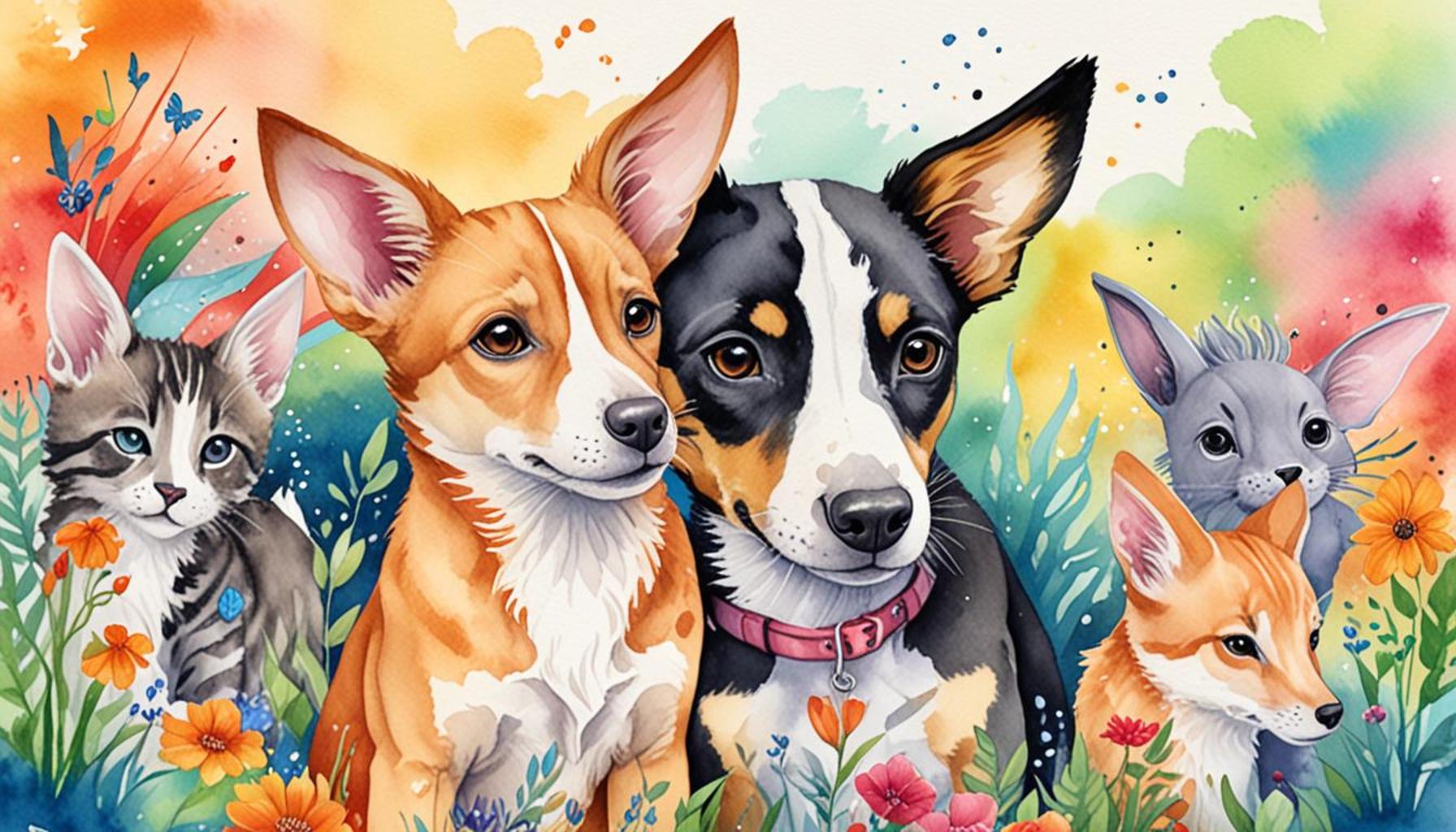
The Challenges and Joys of Adopting Senior Animals: Why Give Them a Chance
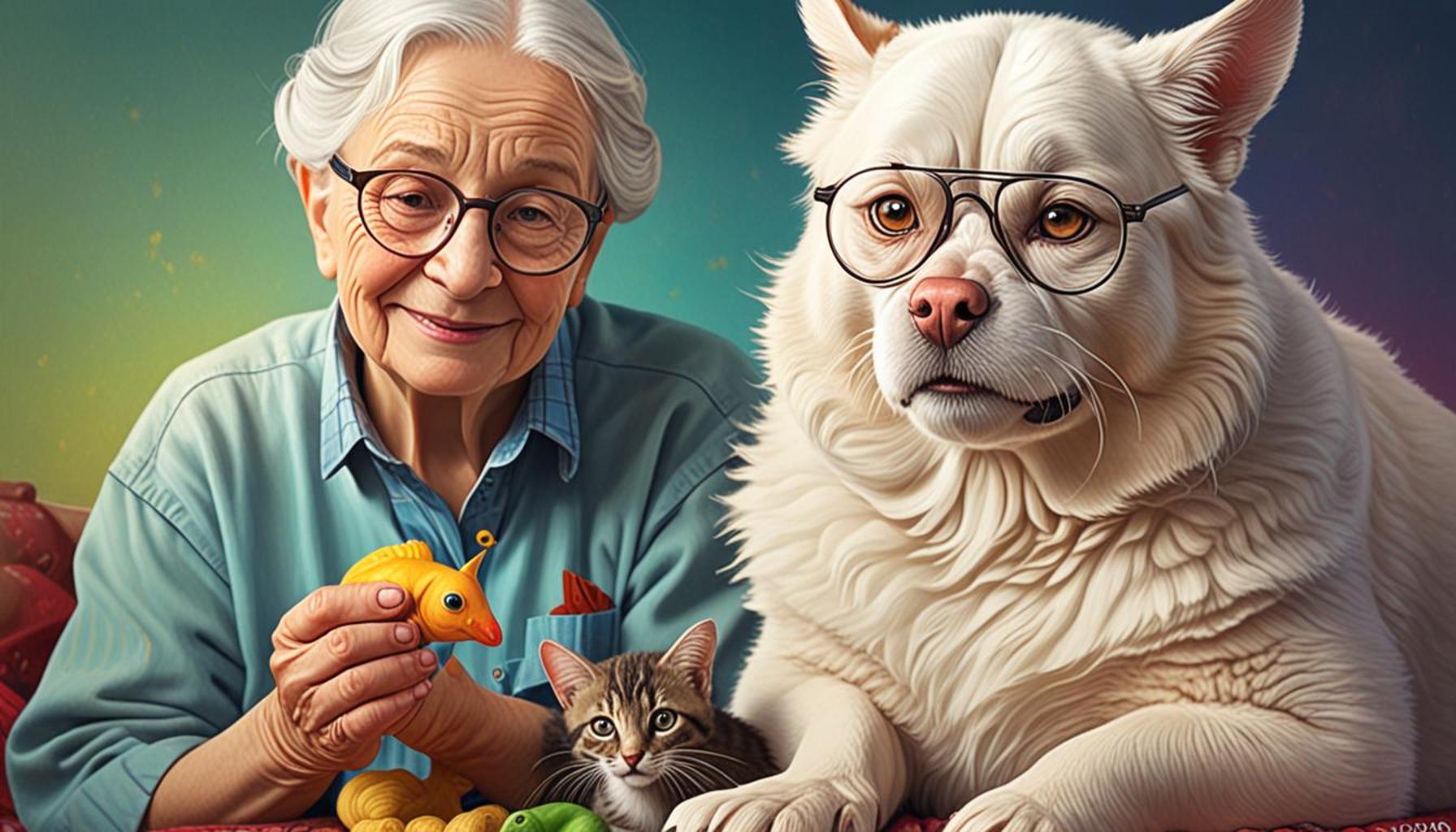
Understanding Senior Animal Adoption
Adopting a pet is one of life’s most rewarding experiences, but choosing a senior animal can bring a unique set of challenges and joys. While young pups and kittens often capture our hearts, senior animals deserve attention and love, too. In fact, they offer numerous advantages that potential adopters may not have considered.
One of the primary benefits of adopting a senior pet is their established personalities. Senior animals have typically lived long enough to develop distinct characteristics that align with their breed and upbringing. This makes it easier for potential adopters to select a pet that matches their lifestyle. For instance, someone looking for a calm companion may find a gentle, older dog perfect for cozy nights at home, while a more active individual might thrive with a senior cat that still enjoys playtime.
Moreover, senior pets often come with less training required. Many older animals are already house-trained and may have basic obedience skills in place. This can save new pet owners significant time and effort on training regimens, allowing them to focus on bonding with their new friend instead. The tranquility and predictability of a senior pet can offer a welcome contrast to the high-energy antics of a kitten or puppy.
- Gratifying Companionship: Adopting a senior pet can lead to a deep bond, as these animals are often eager for love and security. They have a keen awareness of the comforts of home and can provide immeasurable affection to their new families.
However, adopting a senior animal does present its own challenges. Some of these include:
- Health Concerns: Older pets may come with pre-existing health conditions that require special care and attention. These can range from managing arthritis in dogs to addressing dental issues in cats. Adopters should be prepared to work closely with veterinarians to manage these conditions effectively.
- Shorter Time Together: Adopting a senior animal may mean a shorter companionship compared to younger pets. While some find this bittersweet, being present in their golden years can be incredibly fulfilling.
- Specialized Needs: Seniors may require different diets, medications, or modifications to their environment to thrive. For example, an older dog may benefit from comfortable orthopedic bedding or living space free from stairs, ensuring they remain agile and content.
Despite these challenges, the rewards of adopting a senior animal can be profound. Each adoption story is unique and often filled with heartwarming moments that make it all worthwhile. Consider the tale of a sweet golden retriever named Max, who found a loving home at age ten after being overlooked for months. Max’s new family cherished him deeply, appreciating every wag of his tail and soft gaze.
Discover the incredible reasons why giving senior animals a chance not only benefits them but also enriches your life. The companionship of a senior pet is not just about the joy they bring, but also about the warmth of knowing you have given them the loving home they deserve in their twilight years.
DISCOVER MORE: Click here to learn about essential pet nutrition
The Valuable Insights into Senior Animal Adoption
Adopting senior animals can be a profound experience that offers unique insights into the nature of companionship. These animals, often overlooked in shelters, come with rich histories that can greatly enhance the bond you share. It is crucial to understand that while challenges exist, the joys of adopting a senior pet can outweigh them significantly.
Senior animals are often well-adjusted, making them easier to integrate into a happy household. They have passed through various life stages and have a better understanding of their needs and behaviors. This maturity can make them incredibly rewarding companions, as they often know how to coexist peacefully with humans and other pets. For instance, a senior dog may have mastered the art of lounging on the couch without knocking over the lamp, providing a level of serenity that younger pets may not yet possess.
Furthermore, many senior animals come with history and experience. They have often faced challenges that make them resilient. These pets showcase a level of gratitude and affection that is genuinely heartwarming. When you provide a loving home for an older animal, you become part of their transformative journey, transitioning them from a shelter environment to a cherished home, which can be fulfilling for both the pet and the adopter.
- Unique Personalities: Each senior pet comes with their own personality embedded in a lifetime of experiences. Whether it’s a cat that loves cuddling after a long day or a dog that greets you with enthusiasm despite their age, senior animals often surprise their owners with their unique quirks.
- Adaptability: Senior pets are frequently more adaptable to changing environments. They may adjust more straightforwardly to a new home setup than younger animals, who might still be in a stage of exploration and energy.
- Life Lessons: Seniors have a way of teaching their owners valuable life lessons about patience, compassion, and the beauty of living in the moment. Their presence in your life can inspire a greater appreciation for the little things.
The common perception that adopting a senior animal is a less fulfilling option compared to younger pets often stems from misconceptions. Adopters may worry about the initial adaptation period, but it is essential to recognize that senior pets, with their mature demeanor, often make this transition smoother than anticipated. Additionally, senior animals can face challenges related to health issues, but with appropriate care and a proactive approach, many adoptive families have created successful and joyful environments for these pets.
The trials of adopting a senior animal—though they exist—often become secondary to the profound joys of companionship, understanding, and mutual love. Each moment spent together not only creates cherished memories but also reinforces the significant impact of offering a home to a pet in their golden years. It’s a chance to celebrate their lives while providing them with the quality of care they deserve. Through such adoption stories, the essence of compassion shines through; you are not just saving an animal’s life; you are enhancing your own.
Adopting senior animals comes with unique challenges and joys that potential pet owners should consider. One of the primary challenges is the possibility of health issues. Older animals might have pre-existing conditions or require ongoing medical care, which can be a concern for prospective adopters. However, this challenge can be turned into an opportunity for learning and growth, fostering a deeper bond between the owner and their furry companion. Many shelters offer support and resources to assist new adopters in managing these health needs effectively.On the flip side, there are profound joys that come from adopting senior animals. Despite any health challenges, older pets often have a calm demeanor and a settled personality, making them ideal companions for both individuals and families. They are usually already trained and possess the invaluable ability to show immense gratitude and love to their caregivers. Adopters can find comfort in the knowledge that providing a home to a senior animal significantly enhances the quality of life for both parties involved.Here, the process of adoption also serves educational purposes – both for the adopters who learn about compassion and responsibility and for the community, as it raises awareness regarding the plight of older animals in shelters. Adopting senior pets helps change perceptions, encouraging more people to consider these animals who have so much left to offer. Furthermore, giving a senior animal a second chance often leads to heartwarming stories that create a ripple effect, motivating others to follow suit.Ultimately, the decision to adopt a senior animal is not merely about providing a shelter or home; it is about extending a hand of kindness to those who have lived lives filled with challenges. The relationship formed with a senior pet can be one of the most rewarding aspects of pet ownership, encouraging all to reflect on the importance of age, companionship, and love in their lives.
DISCOVER MORE: Click here for effective cat training tips
Navigating the Challenges of Senior Animal Adoption
While adopting senior animals comes with a plethora of rewards, it’s essential to address the challenges that potential adopters may encounter. Understanding these hurdles can help inform a much healthier adoption process and pave the way for a truly fulfilling relationship with a senior pet.
Health Considerations: One of the most significant concerns for anyone considering a senior pet is their health. Older animals are prone to chronic conditions such as arthritis, dental disease, or heart problems. It’s crucial to have an open discussion with veterinarians before adopting a senior animal, as understanding their medical history and potential future needs will equip potential owners with the knowledge required for effective care. Moreover, many shelters provide discounted vet services or information about low-cost care options, allowing new adopters to address health concerns without breaking the bank.
Behavioral Adjustments: Though seniors are generally easier to manage, they may exhibit behavioral challenges that require a level of patience and understanding. Transitioning from a shelter environment, these animals could initially display anxiety or confusion. Potential adopters should prepare to create a stable environment where senior pets can feel safe and secure. Activities such as gentle training sessions can help strengthen the bond while addressing unwanted behaviors. Utilizing positive reinforcement techniques can be particularly effective, allowing seniors to learn in a supportive atmosphere.
Limited Lifespan: A prevalent issue for upcoming adopters is the reality of a senior animal’s shorter lifespan compared to a younger pet. Foreseeing the heartache of losing a pet can be a deterrent. However, investing in an older animal often leads to a rich emotional journey centered around shared experiences and unconditional love, even if that bond is shorter in duration. The joy of bringing happiness to a senior pet’s life—often what many would consider their final chapter—is unmatched. Creating a remarkable chapter in their life still holds profound importance.
- Financial Commitment: Beyond initial adoption fees, older pets may come with greater ongoing medical expenses. Medications, specialized diets, or regular veterinary check-ups may be necessary. Future adopters should prepare for this financial commitment and explore options like pet insurance or veterinary assistance programs aimed at low-income families.
- Careful Adoption Process: Engaging with the right shelter or rescue organization is essential. Many rescues are dedicated to senior animals and offer in-depth assessments of each animal’s temperament and health. Building a relationship with these organizations can also open doors to finding the perfect match for your lifestyle.
- Emotional Readiness: It’s natural to feel apprehensive about the emotional toll that can accompany adopting a senior animal. It’s essential to recognize that the companionship, solace, and joy they bring into your life can profoundly outweigh the inevitable heartache that may come. Preparing mentally for this experience can create a more resilient environment for both the pet and the adopter.
Despite these challenges, the journey of adopting a senior animal holds immense potential for connection and growth. By approaching adoption with understanding and readiness, families can elevate the quality of life for a deserving pet while enriching their own lives, illustrating that making the choice to adopt can be an experience filled with boundless joy. The simple yet profound presence of an older animal can redefine what it means to love and give affection, creating a truly special bond that goes beyond the physical challenges.
DIVE DEEPER: Click here to learn effective reinforcement techniques
Conclusion: The Heartwarming Impact of Senior Animal Adoption
In conclusion, the adoption of senior animals offers a unique blend of challenges and immeasurable joy, creating a rewarding experience for both pet and owner. Throughout this exploration, we have highlighted the importance of understanding the health considerations, behavioral adjustments, and the emotional complexities involved in welcoming an older pet into your home. Each of these factors plays a pivotal role in shaping the bond between humans and their senior companions.
The potential for profound love and connection with a senior animal is undeniable. Many of these pets have a wealth of love to give and often possess a calm disposition, making them ideal companions for families, couples, and individuals alike. By choosing to adopt a senior pet, not only are you providing a much-needed home for an animal in its twilight years, but you are also gaining a loyal friend who will enrich your life in ways you may not expect.
Furthermore, the experience comes with the responsibility of thoughtful financial and emotional investments, yet the rewards—for both you and your new companion—can far outweigh these hurdles. As you consider adopting, remember that the most heartfelt journeys are often those where time is limited but love is abundant. Every moment spent with a senior animal can transform their life for the better while also leaving a lasting imprint on your own.
So, if you have the resources and the heart, consider giving a senior animal a chance. Their resilience and unconditional love serve as a poignant reminder that every animal, regardless of age, deserves a chance to experience the warmth of a loving home.