
The Diversity of Companion Species: How Different Animals Affect Our Lives
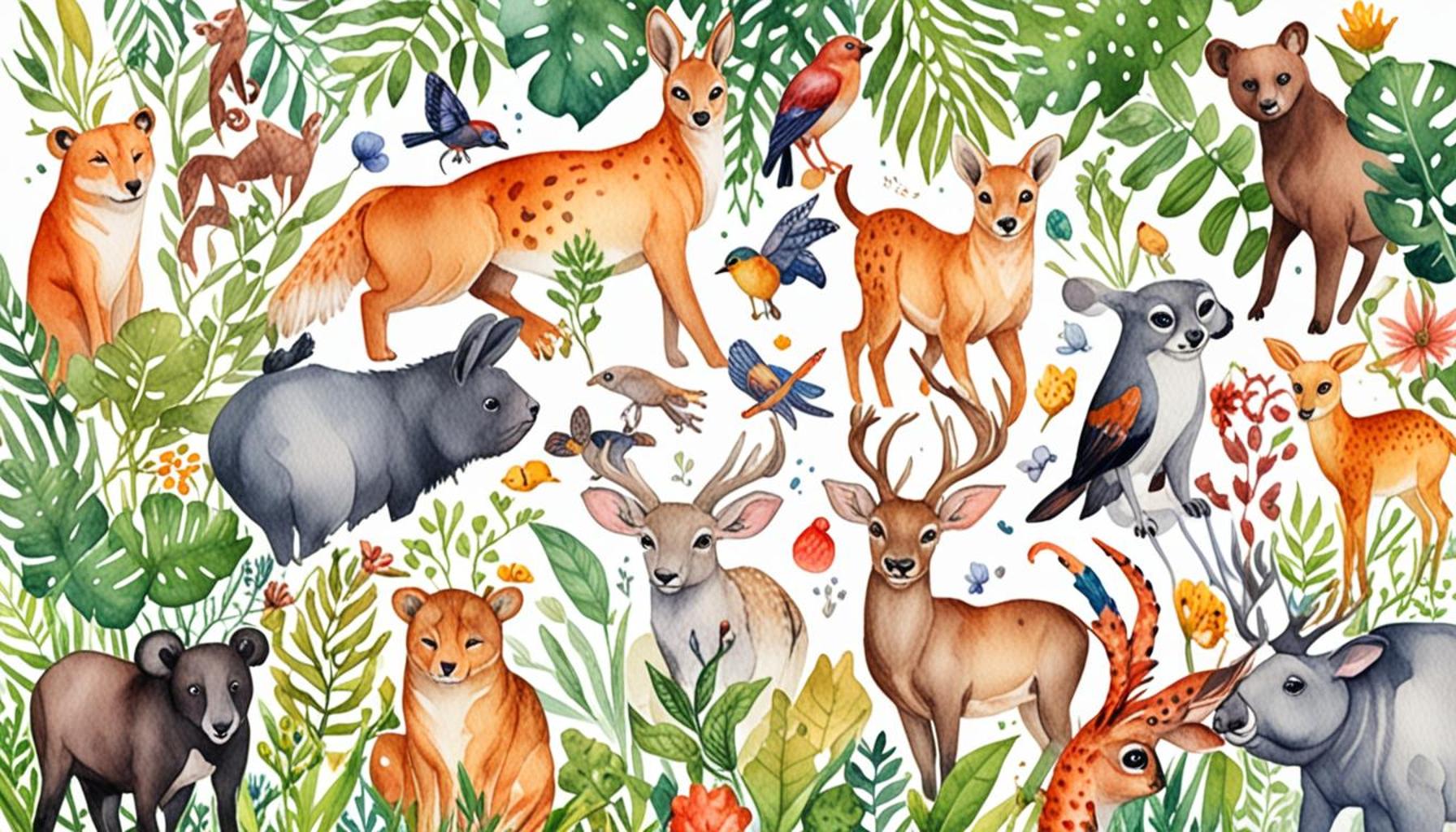
Understanding Our Furry, Scaly, and Feathered Friends
Companion animals hold a special place in our lives, enriching our experiences in profound ways. From the loyal dog to the graceful cat, and even exotic pets like birds and reptiles, each species offers unique benefits and companionship that can transform our daily lives.
The influence of our pets is both significant and multifaceted, touching on various aspects of our well-being. For instance, consider the role of animals in providing emotional support. Pets often offer a form of unconditional love that can significantly decrease feelings of loneliness and anxiety. Research has shown that interactions with animals can lead to lower levels of the stress hormone cortisol and increased levels of feel-good chemicals like serotonin. This is especially beneficial for individuals facing mental health challenges, as even the simple act of petting a dog or cat can create a therapeutic effect.
Furthermore, the physical engagement that comes with pet ownership is noteworthy. Physical activity is not solely about hitting the gym; it can be as enjoyable as taking a nimble dog for a walk in the park or playing fetch. Regular walks and outdoor excursions not only help keep our pets healthy but also encourage us to stay active, promoting cardiovascular health and overall fitness. On average, dog owners are more likely to meet exercise recommendations than non-pet owners, proving that furry companions can foster a more active lifestyle.
In addition to emotional and physical benefits, pets also serve as powerful facilitators of social interactions. Ownership of a pet can break the ice in social settings, providing common ground for both new and existing relationships among pet owners. Dog parks are vibrant communities where people gather, share stories, and connect. An interesting statistic reveals that nearly 60% of pet owners have made friends through their pets, demonstrating that these bonds can extend beyond the home.
As society continues to evolve, so does our understanding of pets. Each companion species has distinct characteristics that shape the human-animal bond. For instance, cats may offer a more independent companionship, appreciating quiet moments, while dogs usually require more active engagement and training, flourishing on interaction and playtime. Meanwhile, people are increasingly turning to small mammals like hamsters and guinea pigs, fish for their calming aquariums, and even exotic pets such as iguanas or tarantulas to enhance their lifestyles. These varied relationships enhance our living environments, offering a glimpse into the rich tapestry of animal companionship.

Exploring the diversity of these animals not only enhances our personal well-being but also fosters a sense of community and belonging. This journey through the world of companion species invites you to discover remarkable stories of friendship and the myriad ways these creatures enrich our lives. By investigating further, you may uncover the profound impacts that animals have not only on us as individuals but also on society as a whole, from therapy animals in hospitals to service dogs helping those with disabilities. Ultimately, the bond between humans and animals continues to evolve, highlighting the importance of these special relationships in our lives.
DISCOVER MORE: Click here to learn about the vital role of nutrition in your pet’s health
The Unique Contributions of Different Companion Species
Understanding the various types of companion animals reveals just how deeply they can influence our lives and well-being. Each species, from the vivacious dog to the serene fish, brings a distinct set of qualities that cater to our emotional, physical, and social needs. By examining the traits of various companion animals, we can appreciate their diverse roles in enhancing our everyday experiences.
Dogs: Guardians of Loyalty and Companionship
Often regarded as “man’s best friend,” dogs have a remarkable way of forging emotional connections with their human companions. Their unwavering loyalty provides comfort and security, making them excellent support animals, especially for individuals battling anxiety and depression. The presence of a dog can foster a sense of purpose in their owners, as even the responsibility of caring for a pet can provide structure and motivation in daily life.
Moreover, dogs are well-known for their ability to prompt social interactions. Take, for example, the phenomenon of “dog walking.” This simple act often leads to spontaneous conversations with fellow dog owners, encouraging community connections that might not occur otherwise. A study found that people who walk their dogs are more likely to engage with their neighbors, enhancing neighborhood ties and fostering a greater sense of belonging.
Cats: Independent Companions with Unique Benefits
In contrast, cats offer a more independent form of companionship. Known for their enigmatic nature, these graceful felines tend to provide emotional support through their presence without the high demands associated with dog ownership. The gentle act of petting a cat can be soothing and has been shown to lower blood pressure and trigger the release of oxytocin, reinforcing the bond between human and animal.
Cats are often praised for their ability to reduce stress. Their calming purrs have been documented as providing therapeutic benefits, making them excellent companions for those seeking solace in their homes. The presence of a cat can create a peaceful atmosphere, offering serenity in our fast-paced lives.
Small Mammals and Exotic Pets: Unique Companionship
The popularity of small mammals like hamsters, guinea pigs, and rabbits demonstrates another dimension of companion animal diversity. These pets can provide delight without the commitment that larger animals may require. Typically, they need less space and can be ideal for individuals or families with limited living environments.
- Hamsters: Known for their playful nature, hamsters can be particularly engaging for children, teaching responsibility and nurturing skills.
- Guinea Pigs: Their social demeanor makes them great companions, often forming strong bonds with their owners.
- Fish: An aquarium can be mesmerizing, offering mental and emotional relaxation. Watching fish glide through water can provide a moment of tranquility amidst the chaos of modern life.
There is also a growing trend toward exotic pets, such as reptiles and birds, which can enrich lives in different ways. These unique species often draw interest due to their fascinating behaviors and vibrant appearances. They can spark curiosity and give owners a chance to learn and share knowledge about their care and habitats.
As we begin to uncover how these diverse companion species affect our lives, we recognize that our connections with animals expand far beyond mere ownership. From fostering emotional resilience to promoting social bonds, each species contributes its own unique perspective on companionship, making our lives fuller and more colorful.
| Animal Type | Impact on Human Life |
|---|---|
| Dogs | Emotional support and companionship, enhancing mental health. |
| Cats | Stress reduction and improved mood, promoting relaxation in homes. |
| Birds | Social interaction and fostering connection among bird enthusiasts and owners. |
| Fish | Calming effects of fish tanks, which can reduce anxiety and increase focus. |
The fascinating world of companion animals reveals a complex array of interactions that significantly shape our emotional and psychological landscapes. From the undeniable loyalty and companionship of dogs, who not only provide unconditional love but also help reduce feelings of loneliness, to the purring presence of cats, whose soft companionship elevates our spirits, each species plays a unique role in enhancing our well-being.Additionally, birds offer cognitive stimulation and a sense of community among fellow bird lovers, while the tranquility of observing fish in an aquarium yields beneficial effects on stress levels. The diversity of these companion species showcases their profound impact on our lives, emphasizing the essential role that animals play in our daily routines and emotional health. Exploring each type of companion species and their unique contributions may lead us to even greater insights about our interconnected lives.
LEARN MORE: Click here for essential insights
Unconventional Companions: The Influence of Birds and Reptiles
While dogs and cats dominate the landscape of companion animals, birds and reptiles offer unique companionship that appeals to a different segment of pet owners. Birds, such as parrots and canaries, are not only colorful and captivating but also highly intelligent. They are known for their ability to mimic sounds and human speech, creating interactive relationships with their owners. This interaction can stimulate mental engagement and add a layer of complexity to the human-animal bond.
Parrots, in particular, can become deeply attached to their caregivers, providing emotional support akin to that of traditional pets. Research suggests that bird owners experience positive effects on their mental health, with many reporting reduced feelings of loneliness—an important factor, especially for the elderly or those living alone.
The Enigmatic World of Reptiles
On the flip side, reptiles such as snakes, lizards, and turtles challenge conventional ideas of companionship. Though they may not exhibit the overt social behaviors of mammals, reptiles can offer a form of companionship that is both fascinating and low-maintenance. Many reptile owners find joy in observing their pet’s unique behaviors and care routines. In fact, studies have shown that owning reptiles can promote patience and responsibility, especially for children as they learn to care for animals that require careful handling and specific environmental conditions.
For instance, a recent survey revealed that 30% of reptile owners credit their pets with reducing anxiety levels, as the low-stress nature of these animals allows owners to engage in a calm environment. The serene presence of a turtle basking in its habitat or a gecko effortlessly navigating its enclosure can create a sense of peace that transcends the usual energetic antics of more traditional pets.
The Therapeutic Effects of Animal Companionship
Beyond specific species, the act of interacting with animals generally has profound therapeutic benefits. Therapy animals, regardless of their species, are trained to provide comfort and support in various settings, from hospitals to mental health facilities. A comprehensive study indicated that having any animal present can reduce cortisol levels—a key stress hormone—while simultaneously boosting endorphin production.
In special circumstances, even smaller animals like rabbits and hamsters have been incorporated into therapy programs, aiding in emotional development and healing for those coping with trauma. The concept of Animal-Assisted Therapy (AAT) has gained traction, demonstrating that various animal companions can serve as catalysts for healing through their inherent nurturing qualities.
A Spectrum of Connection
The rich tapestry of animal companionship continues to evolve, reflecting the growing diversity in pet ownership. From nurturing relationships with traditional pets to integrating more unconventional species into our lives, animals offer diverse benefits that cater to a wide range of emotional and psychological needs. The ability of these companions—be they furry, feathery, or scaly—to enhance our lives serves as a powerful reminder of the extraordinary bonds we can form across species lines.
As we deepen our understanding of the roles that different companion species play in our lives, it becomes evident that their contributions extend beyond just companionship. They can enhance our health, strengthen social ties, and enrich our overall life experience. Whether through the heartwarming loyalty of a dog or the tranquil presence of a fish, the diversity of companion species reflects the multifaceted nature of human-animal interactions—an intriguing aspect of our lives that warrants further exploration.
LEARN MORE: Click here for essential tips on dog socialization
Conclusion: A Tapestry of Connections
The exploration of companion animals reveals a fascinating spectrum of connections between humans and diverse species. From the steadfast loyalty of dogs to the intricate interactions with birds and the serene presence of reptiles, each animal brings a unique set of benefits and emotional support into our lives. This diversity acknowledges that the essence of companionship extends far beyond traditional pets, enriching our emotional landscape in myriad ways.
As we continue to uncover the multifaceted roles these animals play, it becomes increasingly clear that they contribute not only to our individual well-being but also to our communities. For instance, owning a therapy animal can spur social connections, fostering a sense of belonging and mitigating feelings of isolation, particularly among vulnerable populations. The positive psychological impact of these animal relationships is well-documented, with numerous studies supporting their capacity to alleviate stress, anxiety, and depression.
Moreover, as pet ownership trends evolve, the shift toward embracing unconventional species highlights our growing appreciation for the variety of connections available. Exotic pets like reptiles or birds cater to a niche yet significant audience, demonstrating that companionship is not limited to the familiar notions of fur and bark. This encourages pet enthusiasts to explore new dimensions of animal care and interaction.
Ultimately, understanding the diversity of companion species invites us to embrace the richness of our relationships with animals in all forms. It encourages reflection on how these connections influence our lives and notions of companionship, pushing us to consider the varying benefits that each species offers. As we navigate this enduring bond, one thing remains clear: the presence of animals in our lives is a testament to the profound impact of our shared existence and a promise of further exploration into their transformative potential.