
The Impact of Companion Species on the Loneliness of the Elderly: Connections and Companionship
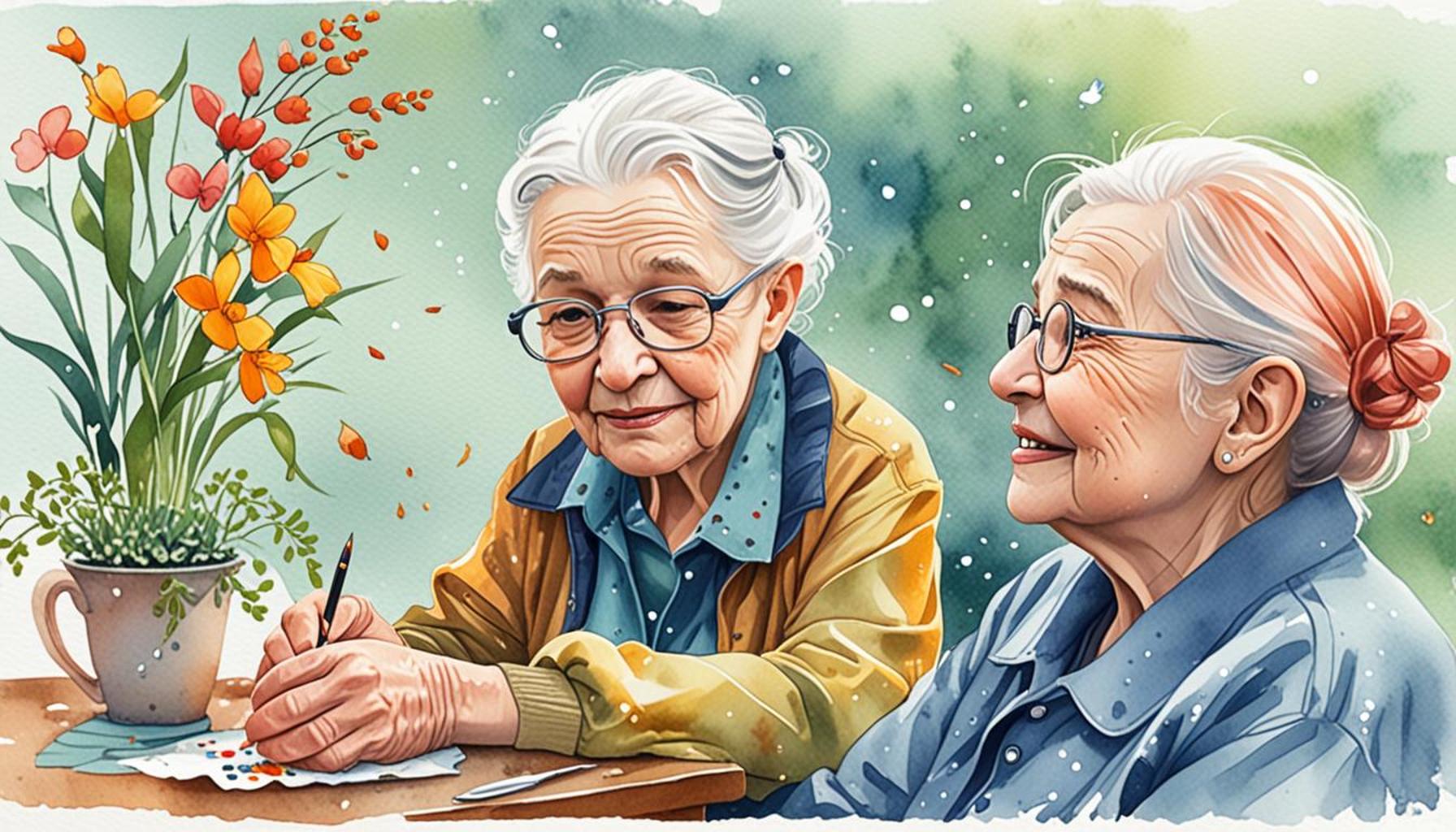
Understanding the Role of Companion Species
In a rapidly aging society, the emotional well-being of the elderly has become an urgent topic of discussion. Loneliness can have profound effects on health, leading to a decline in mental and physical conditions. In this landscape, companion species, particularly pets, emerge as invaluable allies in combating isolation.
The Benefits of Pet Companionship
The presence of animals can create significant changes in the lives of senior citizens. Research shows that the mere act of pet ownership brings about a range of benefits that can enhance older adults’ well-being. Consider these notable advantages:
- Emotional Support: Pets provide unconditional love and companionship, nurturing a sense of belonging and purpose. The bond formed with a pet can reduce feelings of anxiety and depression, as they offer a listening ear without judgment.
- Physical Activity: Engaging in daily routines with pets, such as walking a dog or playing with a cat, encourages seniors to remain active. Regular physical activity is crucial for maintaining mobility and cardiovascular health, which can be further stimulated through playful pet interactions.
- Social Interaction: Pets often help facilitate connections with others in the community. Walking a dog can lead to conversations with neighbors, while cats in community spaces can draw visitors, creating opportunities for social engagement.
Evidence supports that pet ownership can significantly reduce feelings of loneliness and depression among the elderly. A study by the National Institute of Health found that seniors who own pets are more likely to engage socially, attend community events, and even maintain healthier blood pressure levels, greatly improving their overall quality of life.
Exploring Human-Animal Bonds
The bond between humans and animals transcends mere companionship. For many elderly individuals, pets fill a void left by lost loved ones, bringing a sense of purpose and routine to their lives. This relationship fosters a daily structure, where taking care of a pet becomes an integral part of their day.
This dynamic is further accentuated by the growing recognition of animal-assisted interventions in various care settings. In nursing homes and assisted living facilities, therapy animals bridge emotional gaps and provide comfort to residents. These interactions have been shown to lower stress levels and improve the emotional climate for participants.
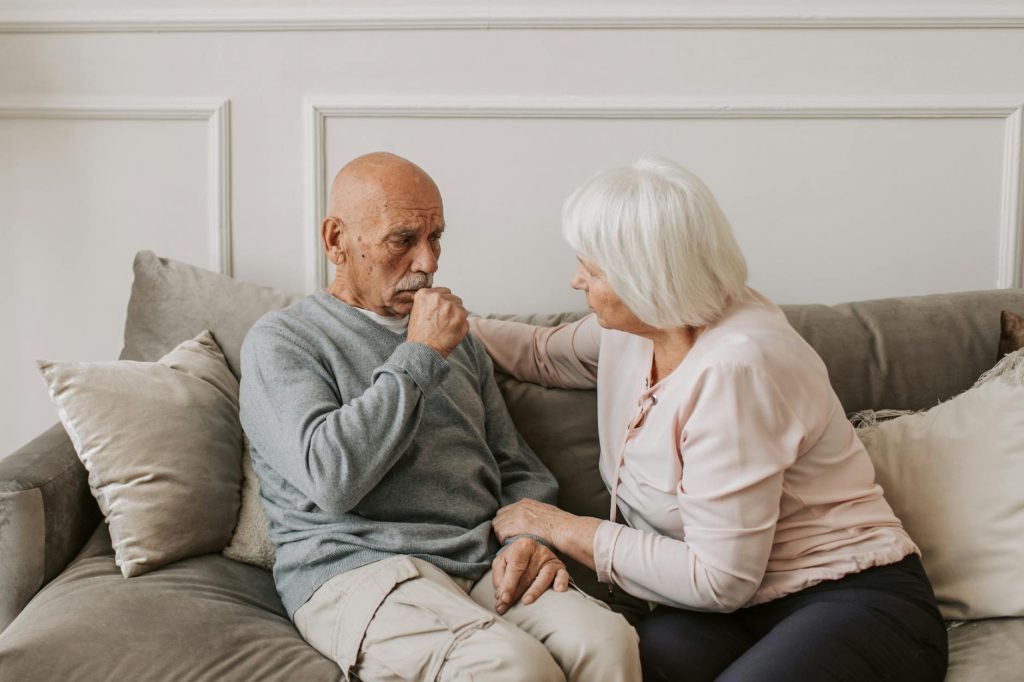
Moreover, specific programs, such as the Pet Partners organization in the United States, actively involve trained therapy animals in therapeutic settings with the aim of enhancing mental health outcomes for seniors. The profound impact of these animal-assisted interventions emphasizes not only the importance of animals in the lives of the elderly but also their critical role in holistic health care solutions.
To delve deeper into this topic, one might explore case studies documenting the changes in mood and behavior among elderly individuals following consistent pet interaction. With the challenges posed by an aging population and increasing rates of loneliness, the significance of companion species in enhancing well-being is undeniable. Through understanding and support of these relationships, society can create a more compassionate environment for its elderly members.
LEARN MORE: Click here for essential pet health tips
The Healing Power of Pets in Elderly Lives
The presence of companion species, particularly pets, has become a beacon of hope for many elderly individuals facing the harsh reality of loneliness. With one in three seniors reporting feelings of isolation, the question arises: how can animals truly transform the emotional landscape of our aging population? The answer lies in the profound connections that can develop between humans and their furry friends.
Numerous studies underscore the incredible impact pets have on the well-being of older adults. For instance, the American Journal of Geriatric Psychiatry highlights that seniors who interact with animals experience lower levels of depression and anxiety. By providing unwavering companionship, pets create an atmosphere where seniors can connect without the pressures often felt during human interactions.
Moreover, the daily responsibilities associated with pet care contribute significantly to an elderly individual’s mental and emotional stability. The structure of feeding, grooming, and exercising a pet fosters a routine which can be particularly beneficial in combating feelings of purposelessness. Here are some specific ways companion species can enhance the day-to-day experiences of the elderly:
- Reduction of Stress Levels: Pets are known to create a calming effect. Simply petting a dog or cat can lower cortisol levels and promote relaxation. This soothing presence is often exactly what the elderly need to mitigate the daily stresses of life.
- Enhanced Alertness: The care needed for animals can stimulate mental acuity. Feeding schedules, activities, and interaction with pets provide a gentle nudge towards a more engaged and alert state of mind.
- Increased Happiness: The delightful antics of pets can evoke genuine laughter and joy, essential emotions often overshadowed by the feelings of loneliness that can pervade an elderly person’s life.
The link between pet ownership and emotional longevity has also been documented in various longitudinal studies. One relevant study revealed that seniors with pets have a 36% higher chance of reporting high satisfaction with their life compared to those without. These statistics highlight the undeniable correlation between pet companionship and improved quality of life for the elderly.
As cities across the United States continue to embrace pet-friendly initiatives, there is a growing recognition of the essential role pets play in the emotional well-being of older adults. Community pet programs are springing up at nursing homes and assisted living facilities, offering therapeutic interactions that allow the elderly to engage meaningfully with animals. These initiatives not only enhance the residents’ spirits but also cultivate a sense of community among participants, which further reduces feelings of isolation.
The narrative surrounding the impact of companion species on loneliness in the elderly is one that warrants further exploration. An understanding of these connections enables us to reconsider how we approach solutions to the challenges facing our aging population.
| Advantage | Details |
|---|---|
| Companionship | Companion species, such as pets, provide emotional support and reduce feelings of isolation among the elderly. |
| Physical Activity | Taking care of pets encourages regular exercise, which promotes physical health and improves mood. |
| Routine Structure | Having a companion animal creates a daily routine that helps elderly individuals maintain a sense of purpose. |
| Social Interaction | Pets often act as social catalysts, facilitating interactions with neighbors and potential friends. |
The presence of companion species can significantly reduce loneliness among the elderly, enhancing their overall quality of life. Many studies indicate that regular interaction with pets can help mitigate feelings of depression and anxiety that often accompany aging. Furthermore, pets contribute to socialization opportunities, as elderly individuals may find that walking a dog or simply sitting with a cat can lead to spontaneous conversations with others. By fostering companionship, enhancing mobility through increased physical activity, and structuring daily routines, companion species become vital allies in the battle against loneliness. This creates an enriching environment where connection and companionship flourish, offering great potential for improving emotional well-being among older adults.
DIVE DEEPER: Click here to discover how technology is transforming our bond with pets</a
Building Community and Enhancing Social Interactions
Beyond the individual comfort that pets provide, companion species play a pivotal role in fostering community bonds among elderly populations. The simple act of walking a dog or attending a pet class can serve as a social catalyst, igniting interactions with neighbors and fellow pet owners. This phenomenon is particularly vital in urban settings, where seniors may feel detached from their local communities. Increased socialization encourages not only interactions with other pet lovers but also facilitates connections with volunteers and community members keen to support the elderly.
In addition, animal-assisted therapy programs have gained traction in many nursing homes and rehabilitation centers across the United States, illustrating a concerted effort to address loneliness through innovative means. Programs featuring therapy animals, such as dogs and cats, are designed to encourage socialization among residents, prompting conversations and activities that may not occur otherwise. According to a report from the Journal of the American Geriatrics Society, residents in facilities with regular animal visits experienced significant reductions in feelings of loneliness and improved overall mental health.
Companion animals not only enhance well-being at a personal level but can also serve as a bridge to broader community engagement. For example, local animal shelters often seek volunteers to assist in various capacities, allowing elderly individuals to contribute and connect with others who share similar interests. This not only promotes a sense of purpose but also fosters a spirit of camaraderie that can alleviate feelings of isolation.
Another significant aspect of the relationship between the elderly and their pets is the emotional support animals offer during challenging times. Many seniors navigate the grief of losing loved ones or adjusting to major life transitions, such as moving to a new living environment. During these critical periods, a pet can be an indispensable source of unconditional love and support, offering comfort that is often uniquely soothing.
The bond formed with an animal can also encourage seniors to step outside their comfort zones, often leading to new activities that boost their overall engagement with life. From attending pet fairs to participating in local breed-specific clubs, pets can open doors to experiences that enrich the lives of the elderly.
Moreover, the generational connections that can arise from pet ownership are noteworthy. Young people are often drawn to interact with pets, allowing seniors to form intergenerational relationships. This exchange not only benefits the elderly who may feel isolated, but also serves to impart knowledge and life experiences, creating a mutually beneficial dynamic.
As we delve deeper into the intersection of animals and the loneliness of the elderly, it becomes abundantly clear that companion species do much more than occupy a space in our homes—they can profoundly affect social interactions and community integration, addressing a loneliness epidemic that has become increasingly prevalent in aging populations. With an abundance of evidence demonstrating the positive outcomes associated with pet ownership among older adults, the continued promotion of these relationships stands as a critical endeavor in fostering healthier, happier lives.
Dive Deeper: Click here to learn how technology is reshaping our bond with pets</a
Conclusion
In summary, the profound impact of companion species on combating loneliness among the elderly is both tangible and transformative. Through regular interactions with pets, seniors not only find solace in companionship but also embark on a journey that fosters social connections and community involvement. The benefits of pet ownership extend beyond mere emotional support; they serve as a bridge to human interaction, prompting seniors to engage with their peers and local community in meaningful ways.
Numerous studies highlight the positive outcomes of animal-assisted therapy, reporting significant reductions in feelings of isolation and advancements in mental well-being among older adults. Programs that incorporate therapy animals into rehabilitation facilities represent a step towards innovative solutions for loneliness, providing a structured avenue for socialization.
Furthermore, the intergenerational relationships formed through pet ownership pave the way for mutual learning, enabling both seniors and younger generations to share experiences and knowledge, enriching their lives in the process. As we navigate an aging society increasingly confronted by the epidemic of loneliness, the role of animals as not just companions but catalysts for community and connection cannot be overstated.
Ultimately, prioritizing the relationship between the elderly and their companion species may lead to healthier, more fulfilling lives for seniors, reinforcing the essential need for companionship, connection, and community. The ongoing exploration of such relationships could uncover new strategies to enhance the well-being of our aging population, making it imperative for researchers, health professionals, and communities alike to embrace the invaluable presence of pets in promoting connections and companionship.