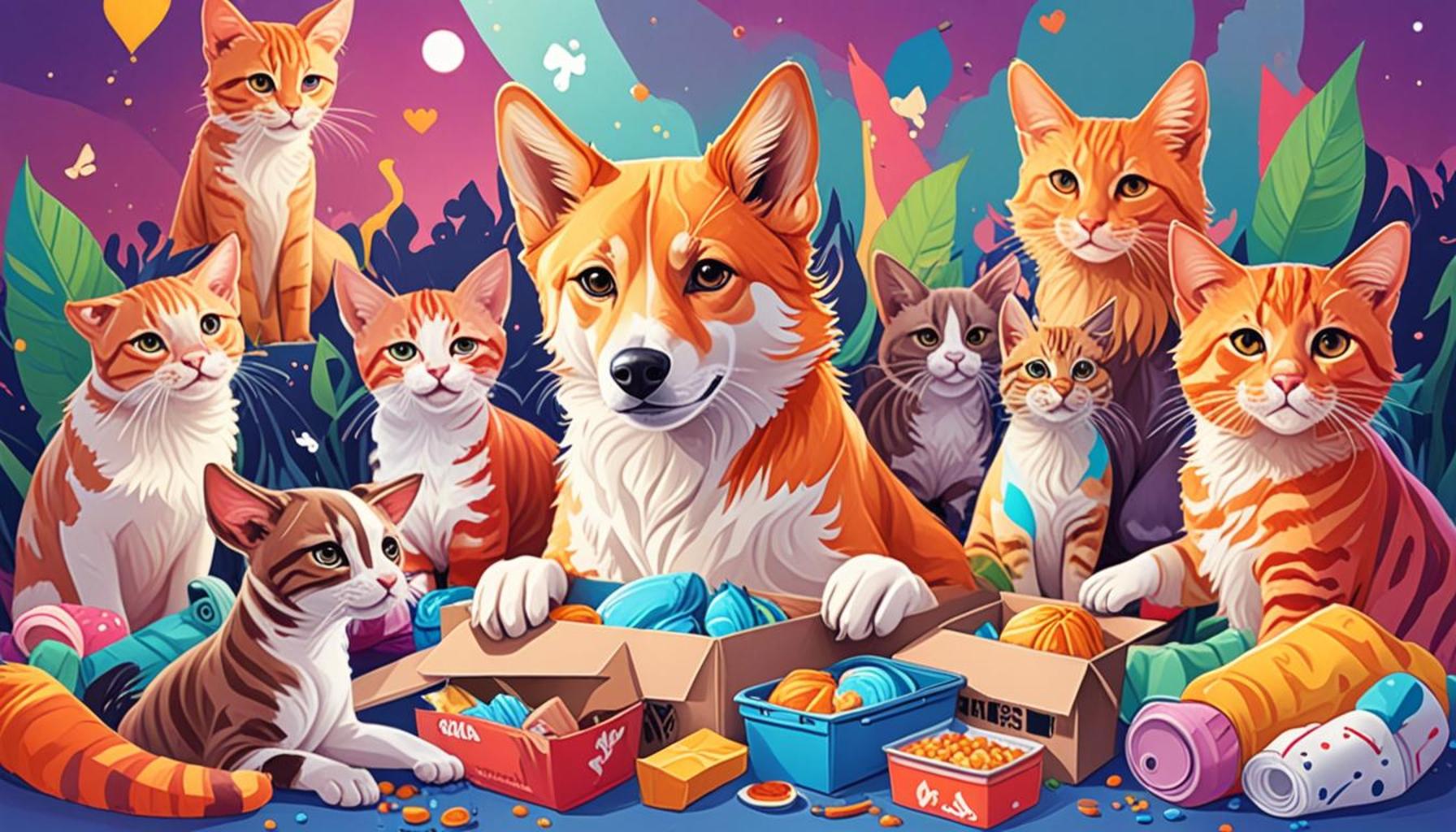
The Importance of Socialization in Rescued Animals: Building Connections and Reducing Anxiety

The Healing Journey of Rescued Animals
Many rescued animals endure challenging backgrounds that foster anxiety and distrust towards humans. These experiences can stem from neglect, abuse, or a lack of social interaction. Initiating the path toward healing for these animals often begins with a critical process known as socialization. Establishing connections not only enhances their quality of life but can transform them into more confident, adaptable companions.
Socialization goes far beyond mere introductions to people and animals; it is an enriching process that includes several essential components:
- Positive interactions with humans and other animals: This might involve gentle petting, playing, or simply being in a safe space where an animal feels comfortable. For example, a dog may initially be hesitant around people, but positive experiences – such as receiving treats or having toys tossed its way – can gradually build trust and foster a better relationship.
- Exposure to different environments and stimuli: Introducing an animal to various settings, sounds, and smells is vital. For instance, taking a cat from a quiet shelter environment to a bustling park can be daunting but essential for its development. Gradually exposing pets to different sights and sounds helps reduce fear and makes them more resilient.
- Establishing routines that foster security and comfort: Routines help create predictability in an animal’s life, which can be particularly comforting for those with past traumas. Set feeding times, regular walks, or consistent play sessions help assure the animal that its needs will be met, thereby reducing anxiety levels.
For many rescued animals, the effects of socialization can be truly transformative. Research indicates that well-socialized pets are:
- Less likely to exhibit behavioral issues: Animals who experience positive socialization often display fewer problems, such as aggression or anxiety, which can lead to better relationships with their human caregivers.
- More adaptable to new situations: A socially well-adjusted animal can handle changes, such as moving to a new home or interacting with new people, with greater ease.
- Ultimately more successful in finding permanent homes: Adoption rates for socially well-adjusted pets significantly increase. A confident cat that approaches visitors is far more likely to find a loving home than one that lurks in the shadows.
Understanding the significance of socialization can make a monumental difference in an animal’s life. Picture a scenario where a once-timid cat emerges from under the bed, curious about its surroundings, versus a dog that greets strangers with a wagging tail, eager to play. Providing the right environment cultivates trust, allaying fears and laying the foundation for a more vibrant life. The journey of socialization is not merely beneficial; it is essential in nurturing these animals into well-adjusted companions that enrich our lives in countless ways.
Dive Deeper: Click here to learn essential tips
Understanding the Needs of Rescued Animals
When it comes to rescued animals, their emotional state often reflects the harsh realities of their past. Many enter shelters with deep-seated fears and anxieties that can hinder their ability to adapt and thrive in a new environment. This is where socialization plays a crucial role. It acts as a bridge, transforming these animals from hesitant and fearful participants in their new lives into confident and engaging companions.
At the core of effective socialization lies an understanding of an animal’s individual needs. Each rescued animal possesses a unique personality, shaped by its past experiences. Some may have encountered aggressive behavior from humans or other animals, while others might have simply missed out on early social exposure altogether. Consequently, tailoring the socialization approach to each animal can yield significantly better results.
Key Techniques for Successful Socialization
Effective socialization isn’t a one-size-fits-all process. Here are some proven techniques that can aid in building those essential connections:
- Slow and Steady Introductions: Start by allowing the animal to explore its surroundings at its own pace. For instance, if bringing a new dog home, let it sniff around the designated living area without overwhelming it with too many visitors right away. Gradual exposure to new people and environments can ease stress and build confidence.
- Positive Reinforcement: During initial interactions, use treats and praise to reinforce good behavior. This can help an animal associate new experiences with positive outcomes. For example, give a dog a treat when it interacts positively with another dog or person, thereby encouraging further interaction.
- Routine Exposure: Consistently introduce the animal to a variety of environments—like parks, pet-friendly stores, or public events. Regular outings can reduce anxiety and foster adaptability. Each new experience should be treated as an opportunity for growth rather than a source of stress.
- Creating Safe Spaces: Ensure that the animal has access to a quiet area where it can retreat if it feels overwhelmed. Simple additions like a cozy bed in a quiet corner or a designated space in the yard can provide comfort and security.
The effects of these techniques can extend far beyond immediate social interactions. Well-socialized rescued animals often experience a profound change in behavior, leading to improved mental health outcomes. Research has shown that animals with positive social experiences are significantly less likely to exhibit signs of anxiety or aggression, making them more enjoyable companions for families.
Additionally, fostering strong social connections can also facilitate successful adoptions. Many potential adopters seek pets that exhibit confidence and friendliness. In such cases, a well-socialized animal becomes much more appealing, increasing its chances of finding a forever home. The essence of socialization is about building trust and security, which ultimately leads to happier lives for both the animals and their human counterparts.
| Socialization Benefits | Impact on Mental Health |
|---|---|
| Enhanced Trust | Reduced anxiety through building safe environments |
| Improved Behavior | Healthier interactions with people and other animals |
One of the key aspects of socialization is its role in ensuring enhanced trust among rescued animals. When these animals are gradually exposed to new experiences and interactions, they begin to feel secure in their surroundings, significantly mitigating feelings of fear. This trust not only improves their relationships with humans but also fosters better connections with fellow animals, which can be vital for their social development.Another important benefit is the development of better behavior patterns. Rescued animals that undergo socialization are less likely to exhibit behavioral issues such as aggression or anxiety, creating a safer and more peaceful environment for them and their caretakers. By promoting these skills, rescuers can contribute to a thriving atmosphere, leading to lower stress levels and improved overall well-being.In essence, investing time in socializing rescued animals is not merely a beneficial practice; it is a crucial step towards integrating them into loving homes where they can flourish both mentally and emotionally. By understanding and appreciating the implications of socialization, caretakers can effectively enhance the quality of life for these animals, offering them the opportunity to connect and thrive.
DIVE DEEPER: Click here to learn about pet nutrition
Building Lifelong Bonds Through Socialization
The journey of socialization in rescued animals not only impacts their immediate behavior but also lays the foundation for lifelong bonds with humans and other pets. Understanding the long-term implications of socialization can help caretakers and potential adopters appreciate the value it brings to an animal’s life.
For instance, studies indicate that animals who experience positive socialization during their formative months are less likely to develop behavioral issues later in life. A report by the American Society for the Prevention of Cruelty to Animals (ASPCA) highlights that shelter animals trained with consistent socialization techniques exhibit significantly lower levels of fear-based behavior and aggression, which often stem from insecurities developed during pivotal developmental stages. As a result, these adaptively socialized animals are more likely to thrive in various settings, whether in a busy home or during travel.
The Role of Play in Socialization
Play—often overlooked in the discussion of socialization—represents a vital aspect of an animal’s psychological health. Engaging in playful activities helps dogs and cats learn critical social cues, from reading body language to understanding boundaries. This interaction helps build their confidence and reduces anxiety. For example, a playful dog that learns how to play gently with another dog not only fosters positive associations but can also mitigate aggressive tendencies spawned from fear or uncertainty.
A study conducted by the Association of Pet Dog Trainers revealed that dogs that engage in playful interactions with peers are 35% less likely to display aggression towards unfamiliar animals or humans. Similarly, felines that participate in play sessions during their critical socialization periods show remarkable gains in adaptability, making adjustments to new homes or environments substantially easier.
The Benefits of Group Classes and Social Networks
Group obedience classes or socialization sessions at local shelters can also greatly enhance an animal’s social skills while providing a controlled environment for interaction. Such classes allow dogs to mingle with peers, learn how to follow commands in the presence of distractions, and develop essential communication skills. According to the Humane Society of the United States, participating in group classes correlates with a 60% increase in adoptability, primarily due to the observed improvements in behavior and social competence.
For rescued cats, social networking isn’t as frequently discussed, but it holds similar importance. Cat cafes and community adoption events can offer crucial socialization experiences. These environments encourage felines to engage with prospective adopters and other animals, demonstrating their personalities in a convenient and low-pressure setting. In these cases, potential adopters can witness first-hand the positive effects of socialization, increasing the likelihood of adoption.
Community Involvement and Awareness
As the conversation around responsible pet ownership grows, community involvement becomes influential in the socialization process. Veterinary clinics and local shelters often host workshops and events focused on educating pet owners about the needs of rescued animals. Participation in these groups can not only enhance an animal’s socialization but also encourage a culture of compassion and understanding toward shelter pets. By fostering awareness within communities about the significance of socialization, we can create an environment that prioritizes the emotional well-being of rescued animals, ultimately leading to more successful adoptions and fewer returns to shelters.
The spotlight on socialization illustrates a broader narrative—one that emphasizes the responsibility and joy of nurturing the unique emotional landscapes of rescued animals. Every successful interaction contributes to building a community rich in empathy, compassion, and lifelong bonds.
DISCOVER MORE: Click here to learn why socialization is crucial for your dog
Conclusion: The Path to Harmonious Relationships
The process of socialization is undeniably essential for the well-being of rescued animals, serving as a bridge to foster connections and mitigate anxiety. As outlined throughout this discussion, the myriad benefits of socialization influence not just the immediate behavior of these animals but resonate throughout their lives—promoting emotional stability, reducing stress, and enhancing adaptability to diverse environments.
By prioritizing playtime, participating in group classes, and engaging community involvement, caretakers can create enriching experiences that help rescue animals connect not only with humans but also with their fellow companions. The data confirms that socialization can lead to a remarkable decrease in behavioral issues, positioning animals for successful adoptions and fulfilling relationships with their new families.
Moreover, increasing public awareness of the transformative role of socialization can foster a culture that values compassion towards shelter pets, thereby encouraging more people to consider adoption. In cultivating a supportive community that recognizes and addresses the social needs of rescued animals, we pave the way for not only happier pets but also deeper connections within families.
In conclusion, the journey of socialization is one that transcends mere interaction; it embodies a commitment to understanding and nurturing the emotional needs of rescued animals. Through this effort, we are not only enriching their lives, but we are also making a profound impact on the collective human-animal bond, fostering a future filled with harmony, joy, and mutual respect.