The Role of Companion Species in Enhancing Childhood Development
In contemporary educational settings, the integration of companion species—animals that share a mutually beneficial relationship with humans—has emerged as a crucial factor in enriching early childhood education. Research continues to affirm that these companion animals can profoundly affect social and emotional learning (SEL) outcomes for young children. Instead of merely existing as pets, these animals can serve as valuable partners in learning, leading to an exploration of how these relationships significantly shape a child’s development.
Companion species can appear in several forms, including:
- Pets at home: Dogs and cats are perhaps the most familiar examples, as they offer comfort and companionship. Small mammals like hamsters or rabbits can also play a role in nurturing emotional bonds.
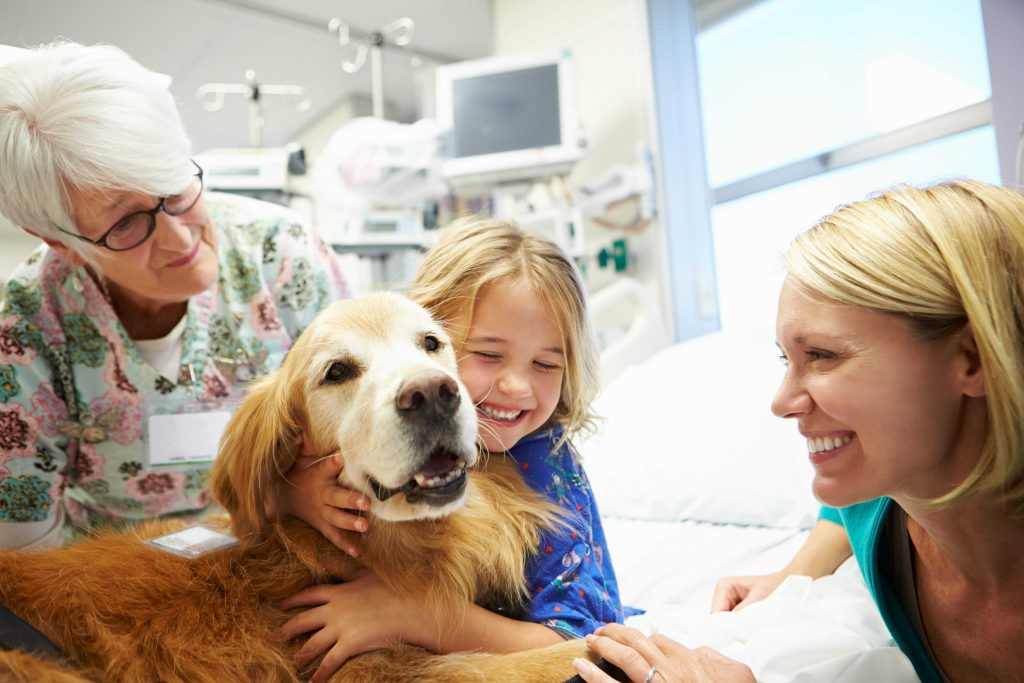
- Therapy animals: These trained animals, including dogs and sometimes cats, are brought into schools and facilities to provide therapeutic benefits. Programs across the United States have shown that therapy animals help reduce anxiety and improve mood among students.
- Classroom animals: Having living creatures such as fish, reptiles (like geckos or snakes), or rodents in classrooms promotes hands-on learning experiences, fascinating children with biology and ecosystems while teaching stewardship.
Recognizing the impact of these interactions is essential. The benefits are extensive and include:
- Emotional support: Companion species can provide solace to children during challenging times, offering a listening ear (or paw) that fosters emotional regulation.
- Social skills development: Engaging with animals encourages children to practice empathy, as they learn to tend to their needs. Moreover, shared experiences around pets can provide common ground for children to connect with peers, enhancing their social competence.
- Responsible behaviors: Caring for pets instills a sense of accountability; children learn not only to feed and groom but also to understand the commitment involved in maintaining another life.
As educators and caregivers delve into the benefits of these interactions, they uncover countless enriching opportunities. The presence of companion species in educational settings not only cultivates emotional well-being but also equips children with vital skills for navigating complex social landscapes. For example, studies show that classrooms with therapy dogs have seen improvements in students’ reading skills, as children often feel less pressure when reading aloud to a non-judgmental listening companion.
The implications for future educational practices and child development are significant. Encouraging the evaluation and integration of these relationships can redefine learning environments, making them more holistic and supportive. As this topic gains increasing traction, especially amidst ongoing conversations about mental health and emotional literacy in education, it prompts further inquiry into how best to employ companion species in teaching strategies across the United States and beyond.
DISCOVER MORE: Click here to learn about the importance of regular vet check-ups
Benefits of Companion Species in Fostering Social and Emotional Learning
The convergence of companion species and early childhood education is shaping a revolutionary path for fostering social and emotional learning (SEL). In classrooms across the United States, educators are beginning to harness the intrinsic benefits of animal interactions, enriching the educational experiences of young learners. By cultivating emotional ties with animals, children can explore various dimensions of personal and social growth, which are crucial during their formative years.
Studies have highlighted several key areas where companion species have shown to be catalysts for enhancing SEL in children:
- Reduced Stress and Anxiety: Simply interacting with animals can lower cortisol levels, thereby alleviating stress. When children engage with companion species, their emotional states often improve, allowing them to approach learning tasks with a clearer mind. This is particularly beneficial in environments where academic pressures can lead to anxiety.
- Promotion of Empathy: Learning to identify and respond to the needs of an animal fosters empathy—a foundational social skill that translates beyond the animal-human relationship. Children learn to recognize non-verbal cues, nurturing their ability to understand and share the feelings of others.
- Enhanced Communication Skills: Talking to pets or therapy animals in a non-threatening environment encourages children to articulate their thoughts and feelings. This practice can bolster confidence in verbal expression, particularly for those who may struggle with social communication.
- Teamwork and Collaboration: Group activities involving animals can serve as platforms for children to collaborate, promote teamwork, and develop essential social skills. Whether it is caring for a classroom pet or participating in an animal-assisted program, these experiences foster a sense of community and belonging.
- Increased Motivation and Engagement: Companion species can revitalize a classroom setting. For instance, caring for a class pet or interacting with therapy animals can ignite a sense of enthusiasm and curiosity, making learning more interactive and enjoyable.
In a pivotal study conducted by the University of California, researchers found that children involved in animal-assisted education programs exhibited improvements in emotional regulation and social skills. These findings underline the practical implications of companion species as vital resources in enhancing educational practices and addressing mental health concerns among young learners.
Moreover, programs like Reading with Rover, which pairs children with therapy dogs for reading sessions, have garnered acclaim for their ability to improve literacy skills. Participants, especially those prone to anxiety, quickly discover that reading aloud to a canine companion is more relaxing, significantly enhancing their reading fluency and comprehension without the fear of judgment.
The influence of companion species extends its reach beyond mere companionship. The growing body of research and successful initiatives illustrates a transformational opportunity in early childhood education—a chance to embed SEL outcomes as a core element of learning environments. By forging these bonds with animals, children acquire essential tools that empower them to navigate their social worlds with confidence, empathy, and responsibility.
Understanding the importance of companion species in early childhood education extends beyond mere companionship; it is intricately linked to fostering social and emotional learning (SEL). In this dynamic educational landscape, children benefit immensely from interactions with animals, which can significantly enhance their emotional intelligence, empathy, and social skills.
Research indicates that children exposed to therapy animals demonstrate increased emotional regulation and reduced anxiety. The presence of companion species such as dogs, cats, and even smaller animals within classroom environments provides a sense of security and comfort. These interactions promote a bonding experience that encourages children to express their feelings more freely and helps them navigate complex social situations.
Moreover, the ethical treatment of animals teaches children about responsibility and compassion. By caring for a companion species, young learners can improve their ability to cooperate with peers, sharing tasks, and developing leadership skills. These multifaceted lessons play a crucial role in shaping their personalities and building a strong foundation for future interpersonal relationships.
As we delve deeper into the nitty-gritty of SEL, it is vital to explore how animal-assisted education not only enriches the learning experience but also cultivates a supportive community where children learn to communicate and collaborate effectively. Introducing companion species into educational settings reshapes traditional approaches to learning and presents a progressive paradigm where emotional nurturing goes hand in hand with academic success.
| Advantages |
Impact on Learning |
| Enhanced Emotional Awareness |
Facilitates open expression of emotions through companionship. |
| Development of Empathy |
Fosters compassionate behaviors towards peers and animals. |
As we continue to recognize the profound impact of companion species in educational settings, it becomes increasingly clear that these interactions are not merely supplementary. Instead, they represent a pivotal shift in how we approach early childhood development, promoting a holistic model that integrates emotional growth alongside academic achievement.
DISCOVER MORE: Click here to learn effective cat training methods
Implementing Companion Species in Educational Frameworks
As the integration of companion species into early childhood education continues to mature, educators and institutions are tasked with developing effective frameworks for implementation. The strategic incorporation of animals into learning environments requires careful planning, an understanding of both pedagogical and welfare considerations, and ongoing support from the community.
One of the primary considerations when introducing companion species is the health and safety of both the children and the animals involved. Schools looking to establish a successful animal-assisted learning program must conduct thorough assessments, ensuring that the animals are well-suited to the classroom setting and that all interactions promote positive and safe experiences. For instance, initiatives like Pet Partners provide guidelines for creating successful therapy animal programs, including necessary training for handlers and rigorous health checks for the animals. This is crucial, as ensuring the well-being of the companion species not only bolsters educational quality but also models responsible pet ownership to young learners.
Another essential aspect of implementing companion species in the classroom is the creation of a structured curriculum that aligns with social and emotional learning objectives. Schools can develop activities that are specifically designed to enhance empathy, collaboration, and emotional intelligence. For example, programs such as the Therapy Animals of Utah have successfully integrated companion animals into classroom lessons about emotional regulation and conflict resolution, allowing students to engage with concepts in a tangible way. By incorporating storytelling, role-playing, and interdisciplinary learning with animal interactions, educators facilitate deeper cognitive connections for students that enrich the learning experience.
Furthermore, the opportunity for children to engage in caretaking activities fosters a sense of responsibility and commitment. As children participate in caring for class pets, they practice essential life skills like planning, time management, and team cooperation. Research conducted by the University of Exeter demonstrated that children who regularly participated in animal care showed significant gains in self-esteem and personal well-being. These developments, facilitated by the presence of animals, not only support SEL outcomes but also enhance the overall classroom climate.
Innovative programs such as Paws for Reading illustrate a broader trend in educational institutions aimed at fostering literacy alongside social skills through the intervention of companion animals. Children who struggle with reading often find solace in reading aloud to dogs—these non-judgmental listeners provide an atmosphere where children can practice without fear. This approach not only improves reading performance but also reinforces positive emotional experiences associated with literacy, making reading an enjoyable and rewarding activity.
Ultimately, the benefits of implementing companion species within early childhood education systems are profound. By recognizing their potential, educators can create enriching environments that embrace the unique contributions of animals. As more schools advocate for and adopt these programs, society may witness not only improved academic outcomes but also a generation of children equipped with the tools of empathy, kindness, and respect for all living beings. It is this profound intersection of education, emotional growth, and animal companionship that holds transformative potential for young learners.
LEARN MORE: Click here to discover why socialization is crucial for your dog’s mental well-being
Conclusion
In summary, the integration of companion species into early childhood education represents a groundbreaking shift that offers numerous advantages for children’s social and emotional learning. As educational frameworks evolve, these programs provide rich opportunities for children to cultivate essential skills such as empathy, responsibility, and collaboration. The presence of animals in the classroom not only enhances the learning experience but also supports the well-being of both students and the companion species involved.
Research highlights the profound impact of animal interaction on children’s emotional intelligence and self-esteem, underscoring the importance of structured programs that ensure safety and well-being. Innovative initiatives, like Paws for Reading and other animal-assisted learning approaches, exemplify how children can benefit from supportive learning environments where they engage with animals. These experiences foster a deeper understanding of emotional regulation and conflict resolution, as well as promote positive attitudes toward literacy.
As we look to the future, it is crucial for educators, parents, and communities to advocate for the inclusion of companion species within classrooms. By doing so, we can cultivate compassionate individuals who are not only academically prepared but also equipped with the emotional skills necessary for navigating the complexities of life. The intersection of education, emotional growth, and animal companionship promises to be a transformative force, steering a new generation towards greater understanding, kindness, and respect for all living beings. Excitingly, as schools embrace this innovative approach, we may witness a ripple effect that extends beyond the classroom, positively impacting society as a whole.