
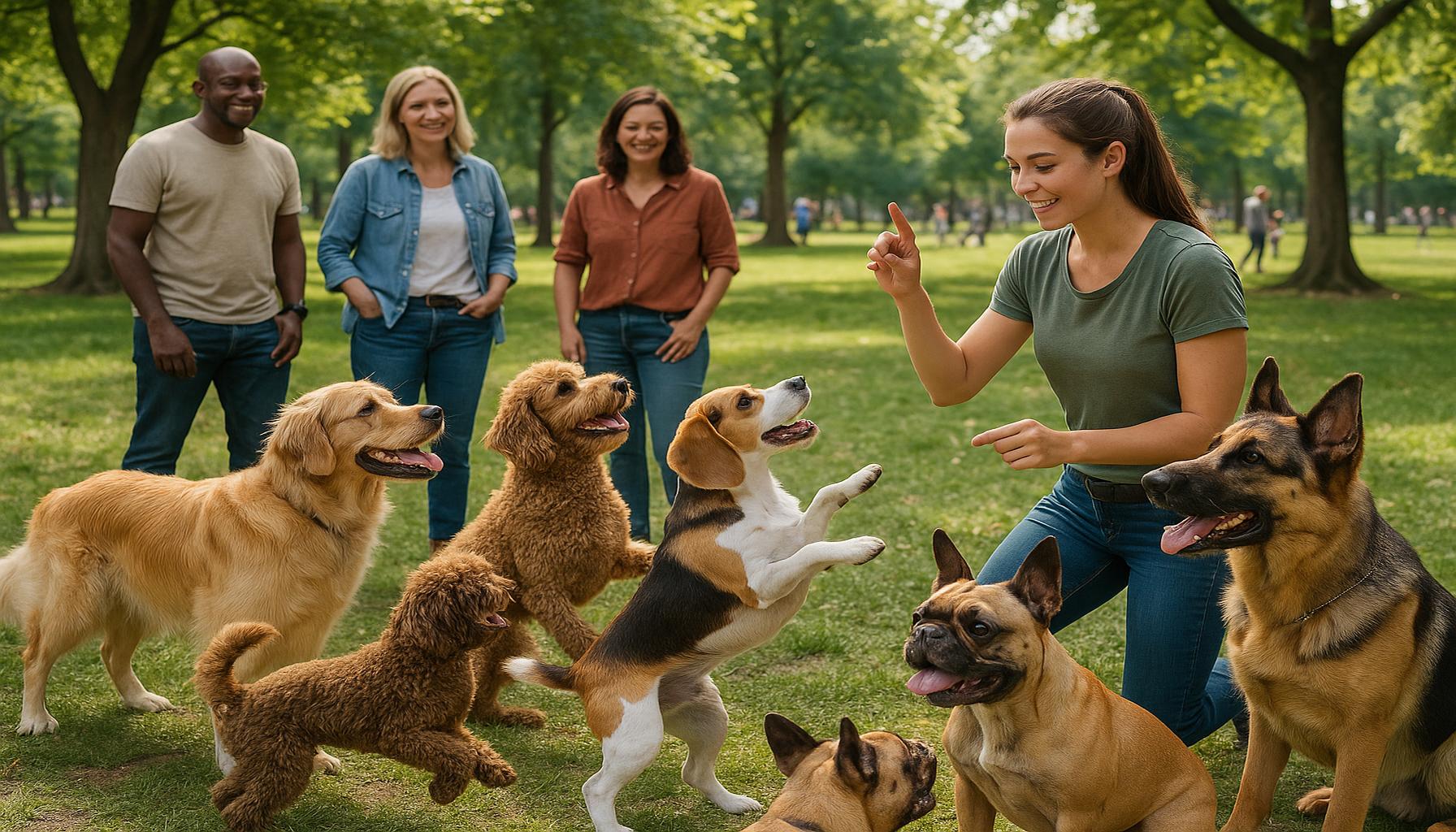
Introducing a dog to varied environments and social settings is not just beneficial but crucial for its development.
Socialization helps dogs become well-adjusted, ensuring they respond positively to unfamiliar situations or people.
Lack of socialization can lead to anxiety, aggression, or fearfulness, challenging both the owner and the animal.
Incorporating socialization into dog training enhances their confidence and adaptability in diverse scenarios.
This aspect of training is foundational and warrants focused attention for the dog’s holistic growth and well-being.
Integrating socialization into dog training reveals its undeniable influence on developing well-mannered pets.
This process not only encourages proper behavior but also fosters trust and strengthens the bond between the owner and the canine companion.
Throughout this exploration of early social experiences, we've seen its impact on reducing anxiety and enhancing adaptability.
By emphasizing exposure to diverse environments, sounds, and beings, dog training can take on a holistic dimension, paving the way for balanced and socially adept pets.
For dog owners and trainers alike, recognizing and implementing strategic socialization practices can lead to transformative outcomes, further amplifying the joys and responsibilities of pet ownership.

Linda Carter is a writer and pet care expert specializing in pet health, grooming, and wellness. With extensive experience helping pet owners create safe, loving, and enriching environments for their animals, Linda shares her knowledge on our platform. Her goal is to empower readers with practical advice and strategies to ensure their pets thrive and lead joyful, healthy lives.