The Role of Group Training for Animal Socialization
The Importance of Effective Animal Socialization
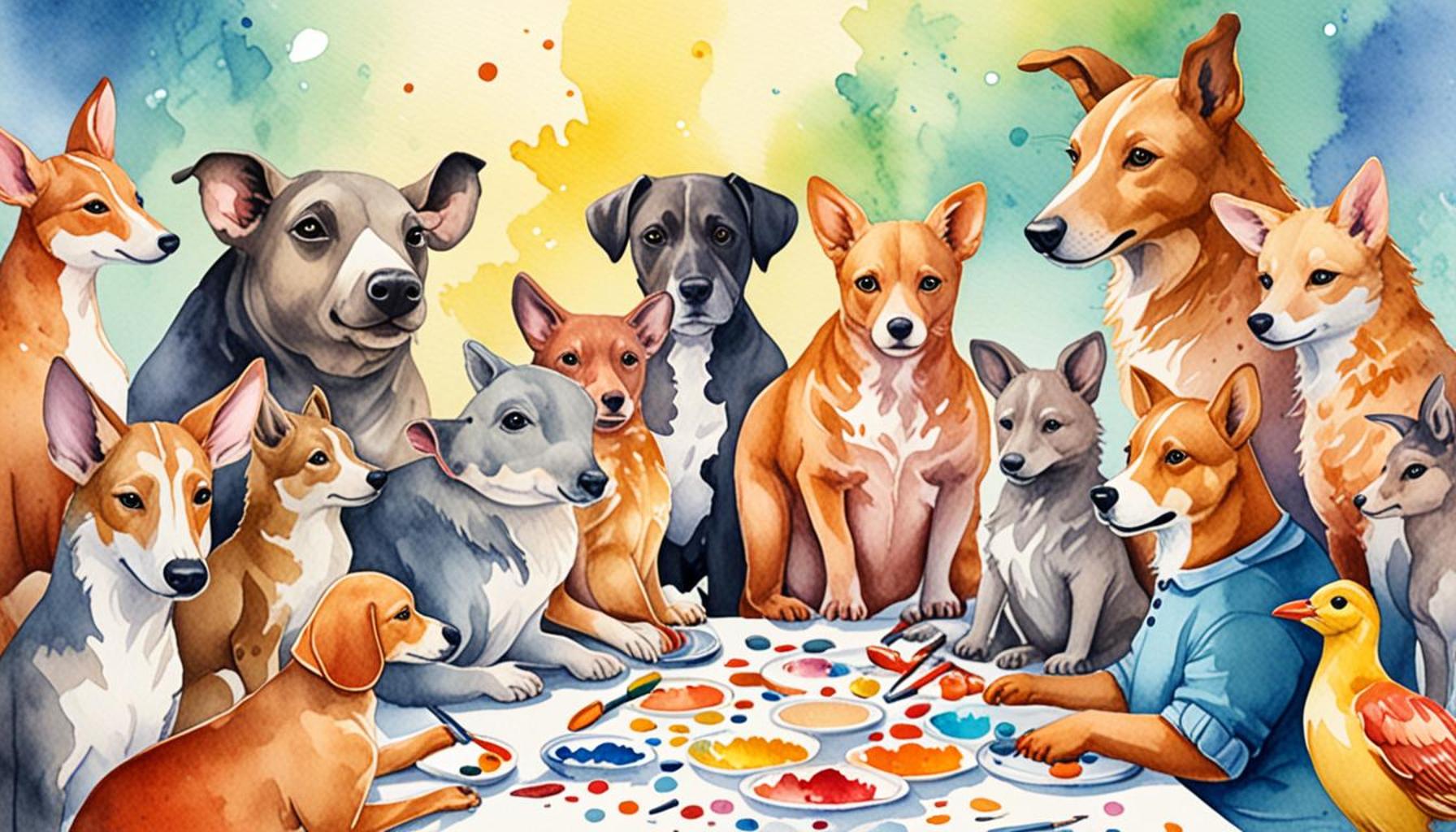
As pet ownership continues to grow across the United States, the need for effective animal socialization has never been more critical. Socialization is not just a trendy aspect of pet training; it is foundational for the development of a well-adjusted pet. Group training offers a vibrant and stimulating environment where animals can interact with a range of different species, including their human companions. These interactions play an instrumental role in nurturing positive behaviors and assuaging anxiety that many pets may experience in various situations.
Advantages of Group Training
Engagement in group training sessions yields a multitude of benefits:
- Learn from peers: Animals are naturally inclined to watch and mimic the behaviors of their peers. In a group setting, pets can learn essential skills by observing other animals, whether it’s how to cope with distractions or how to greet new friends appropriately.
- Reduce fear: Group training exposes animals to a variety of stimuli, such as different sounds, scents, and even other human and animal participants. This exposure can dramatically lessen fears and phobias, helping pets to become more confident in their surroundings.
- Enhance communication: Effective socialization improves a pet’s ability to communicate. Through real-time interactions, pets learn to read body language, which is crucial for developing appropriate responses in different social contexts. For example, a dog that understands the signals from another dog can avoid potential confrontations.
- Strengthen bonds: Participating in training classes as a team enhances the pet-owner bond. The shared experiences contribute to deeper mutual trust and understanding, paving the way for a harmonious coexistence.
Ideal Timing and Continued Learning
Experts advocate for enrolling puppies and kittens in group training classes between the ages of 7-16 weeks. This early exposure maximizes their capacity for learning and adaptation to new experiences. However, the advantages of group training are universal and can be beneficial for animals of any age. For instance, senior dogs can also benefit from interacting with younger, more energetic counterparts, which may encourage them to be more active.
As we explore the myriad of benefits associated with group training for socialization, it becomes evident that its advantages extend well beyond the scope of obedience training. These sessions touch on the emotional, psychological, and social development of animals, shaping them into well-rounded companions who can navigate the complexities of their world with ease.
In conclusion, the importance of socializing pets through group training cannot be overstated. The positive reinforcement and stimulating interactions foster an environment where animals thrive. For pet owners seeking to enhance their companions’ quality of life, understanding and utilizing group training can lead to profound improvements in behavior and relationship dynamics. Whether adopting a new puppy or working with a more mature pet, the path to a happy, well-adjusted companion begins with effective socialization.
DISCOVER: Click here to learn how pets enhance mental wellness
Understanding the Socialization Process
Animal socialization is a critical aspect of pet ownership that can significantly influence an animal’s behavior and well-being. Socialization is defined as the process through which pets learn to interact appropriately with other animals and people while understanding their environment. This journey is best navigated in a structured setting, making group training particularly beneficial. Group training environments provide a unique opportunity for animals to engage socially while learning in a controlled manner, which can ease the transition into everyday situations.
The role of group training extends far beyond mere obedience commands; it is an integral facet of social development. Here are some key aspects of how group training aids in animal socialization:
- Structured Learning Environment: Group training classes are designed to present various challenges in a safe and structured way. This setting allows pets to practice social cues and learn to adapt to the presence of others, ultimately fostering more positive interactions in the community.
- Controlled Exposure to Distractions: Enrolling a pet in group training offers exposure to multiple distractions, ranging from different dogs barking to unfamiliar scents. Pets learn to remain focused and calm despite these stimuli, boosting their confidence in unpredictable environments.
- Social Skills Development: In group settings, animals communicate and collaborate with peers, which helps develop their social skills. For example, a puppy can learn appropriate play behaviors, such as how to approach, gesture, and respond to another dog’s demeanor.
- Feedback from Trainers: Skilled trainers facilitate group sessions and provide real-time feedback, offering guidance on handling various situations. This instruction is invaluable, as it helps owners understand their pets’ needs better and correct potential behavior issues before they escalate.
Moreover, the emotional benefits of group training sessions are profound. Many pets experience stress or fear when encountering unfamiliar animals or new experiences. Group training provides a supportive environment where pets can gradually acclimate to diverse stimuli alongside fellow classmates — both furry and human. This methodical exposure lessens anxiety and fosters resilience against the threats of isolation and fearfulness, which are prevalent in many households today.
Fostering a Lifelong Skillset
As pets progress through their developmental stages, group training sets them on a path of lifelong learning. Proper socialization enables pets to enjoy peaceable life interactions and opens doors to various activities, from playdates at the park to visits to pet-friendly establishments. Socialized pets are often happier and more adaptable, lowering the likelihood of behavioral problems down the road. It’s a powerful investment into their futures.
In conclusion, understanding the role of group training for animal socialization illuminates how essential it is for a well-rounded pet. Through structured learning, exposure to distractions, and the development of vital social skills, pets become more confident and enjoyable companions. For pet owners, engaging in group training doubles as a rewarding opportunity to bond with their beloved animals while sculpting them into well-socialized members of society.
The Importance of Group Training Interactions
Group training plays a pivotal role in enhancing animal socialization, particularly for dogs and other domesticated pets. Through structured group sessions, animals learn effective communication and social cues that are essential for interacting harmoniously with both humans and other animals. This environment is a catalyst in developing their emotional intelligence and reducing behavioral issues.One of the most significant benefits of group training is the exposure to diverse stimuli and social situations. Animals participating in group classes engage in controlled interactions that are crucial for their psychological development. For example, a dog that might be shy or aggressive can observe social norms from other dogs, which often encourages more positive behavior. Similarly, puppies benefit from socialization with adult dogs, mainstreaming varied play styles and temperaments.Moreover, these classes offer support for pet owners, equipping them with valuable skills and knowledge. They learn how to reinforce good behavior and address problematic tendencies. The camaraderie formed among owners can often lead to lasting friendships and a sense of community, which enriches the training experience for both the animals and their caretakers.Lastly, group training can also lead to enhanced focus and obedience in animals, as distractions from other pets are normalized. This prepares them for real-world environments where they will undoubtedly encounter stimulation. Overall, the role of group training is not just another method for teaching commands, but rather a multifaceted approach that fosters both social skills and strong human-animal bonds.
| Advantages | Description |
|---|---|
| Improved Behavioral Skills | Encourages animals to interact positively with other pets and people. |
| Enhances Owner Confidence | Allows owners to learn effective training techniques and build a community. |
DISCOVER MORE: Click here for essential tips on pet health
Enhancing Behavioral Awareness
Beyond structured learning, group training serves a pivotal role in enhancing behavioral awareness—not only for pets but also for their owners. Often, pet owners may misinterpret their animal’s actions or responses when interacting with others. Group training provides a unique opportunity for dog owners to observe a variety of canine behaviors in real-time, equipping them with the knowledge to better understand their pets. When surrounded by other dogs, pet owners can see first-hand how their furry companions react and how different dogs interact with each other. This live observation fosters an improved understanding of canine body language, aiding owners in recognizing subtle cues that indicate feelings of stress, excitement, or discomfort.
Additionally, by witnessing trainers effectively manage various pet personalities, owners can learn temperament management strategies tailored to their unique pets. For example, if a typically shy dog starts to show confidence, seeing this transformation can encourage owners to replicate similar experiences, reinforcing positive behavior in other settings.
Building Community Connections
Group training also cultivates connections among pet owners. When individuals come together with a shared goal of socializing their pets, they create a sense of community that extends beyond training sessions. Whether in a park or at a pet-related event, socializing pets alongside fellow dog owners can lead to forming friendships and support networks. These connections also allow for the sharing of experiences, tips, and techniques, further enriching not only the training process but also enhancing the overall pet ownership experience.
A thriving community of pet owners can serve as a resource, connecting individuals who may be facing similar challenges with their pets. By sharing best practices and solutions to common concerns—such as dealing with aggression, fear, or excessive barking—owners can work together, encouraging one another as they navigate the complexities of training and socializing their animals.
The Impact of Age and Developmental Stages
Another factor worth considering is the impact of age on socialization. Young animals, especially puppies, are highly impressionable; thus, their formative weeks are crucial for effective socialization. Group training classes designed specifically for young pets often introduce them to diverse experiences, helping them learn to adapt to different environments, sounds, and individuals. As they experience discomfort or fear in safe settings and receive guidance, they can learn to navigate the world with greater confidence.
Conversely, for older dogs that may have missed early socialization opportunities, group training offers a chance for reintegration into social situations. With patience and a supportive environment, even older, less socialized pets can adapt and learn appropriate behaviors through consistent interaction during group activities. Trainers working with older animals often utilize techniques that respect their life experiences while promoting positive association through new encounters.
Ultimately, the role of group training in animal socialization underscores the importance of both process and community. The shared journey among pet owners not only enriches their relationship with their animals but also lays a foundation for well-rounded, socially competent companions. By participating in group training, owners invest in the lifelong happiness and adaptability of their pets, ultimately fostering healthier pet-owner dynamics along the way.
DISCOVER MORE: Click here to find heartwarming stories
Conclusion: Embracing Group Training for a Harmonious Bond
In conclusion, the significance of group training for animal socialization cannot be overstated. It is a multifaceted approach that not only enhances behavioral understanding for both pets and their owners but also fosters a sense of community among those navigating the often complex journey of pet ownership. By participating in group training, pet owners gain invaluable insights into their animal’s behavior and social needs, cultivating a deeper emotional connection with their furry companions.
The ability to witness various canine interactions in a controlled environment alters perceptions and encourages owners to interpret their pets’ cues more accurately, reducing common misunderstandings. Furthermore, the supportive network formed among participants allows for shared experiences and collective problem-solving, enhancing the socialization process beyond the training sessions.
Notably, age and developmental stages play a key role in socialization success. Group training accommodates both young puppies eager to learn and older dogs requiring a second chance at social integration. The adaptability of training programs ensures every pet receives tailored guidance, promoting confidence and amiability regardless of their starting point.
As pet owners invest time and effort in group training, they not only contribute to the behavioral mastery of their pets but also create a more harmonious environment for themselves and their communities. The journey through group training at its core is about building relationships—between animals and their owners, and amongst fellow pet enthusiasts—ultimately leading to healthier, well-adjusted pets and enriched human-animal bonds. Embrace the opportunity; your pet deserves it.

Linda Carter
Linda Carter is a writer and pet care expert specializing in pet health, grooming, and wellness. With extensive experience helping pet owners create safe, loving, and enriching environments for their animals, Linda shares her knowledge on our platform. Her goal is to empower readers with practical advice and strategies to ensure their pets thrive and lead joyful, healthy lives.