
The Importance of Dental Hygiene in Pets and How to Maintain It
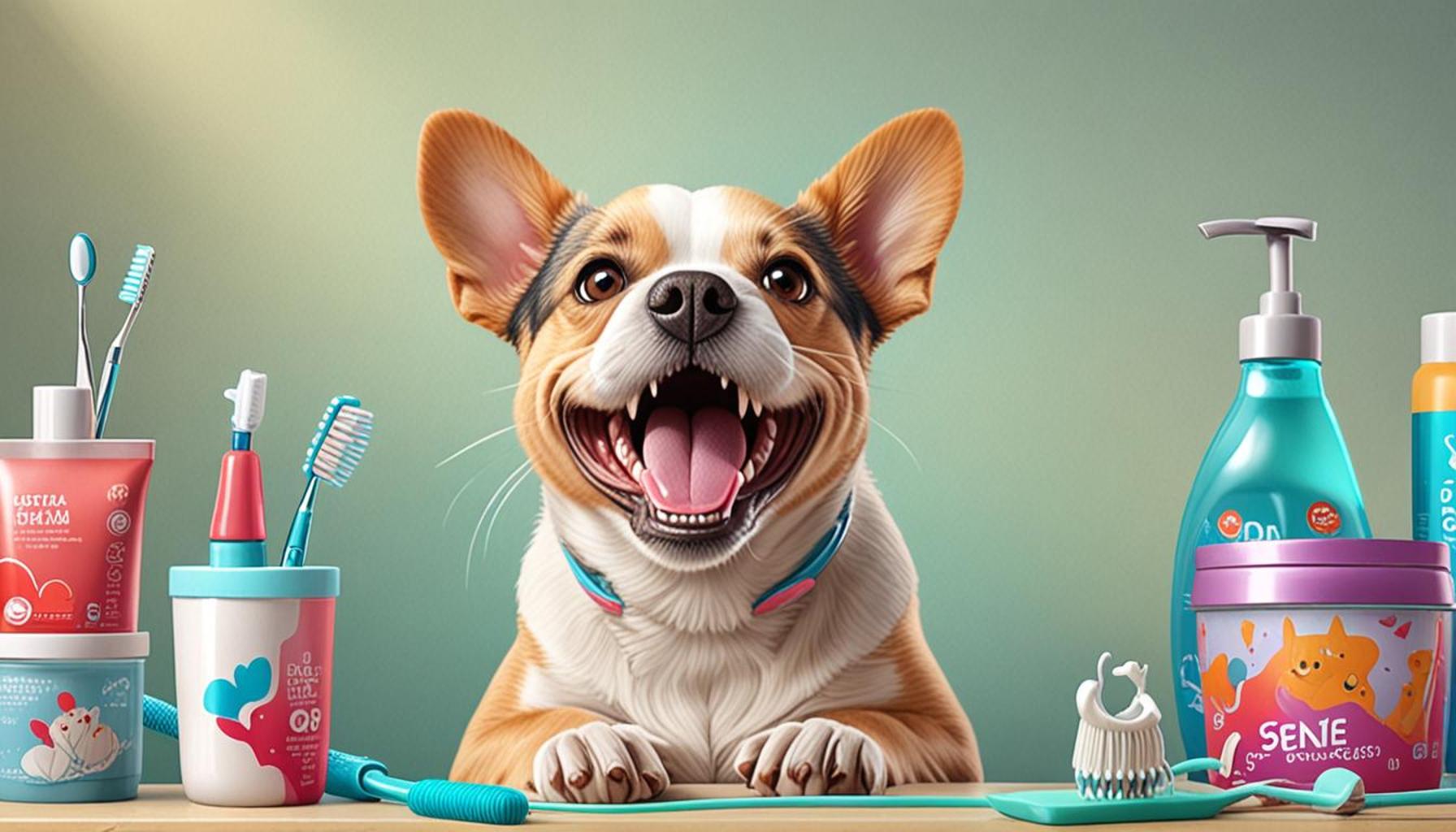
Understanding the Impact of Dental Care on Pet Health
The role of dental hygiene in pets extends far beyond freshening their breath and keeping their teeth looking pearly white. In fact, good oral health is vital to their general well-being, potentially preventing severe health complications that can arise from neglecting their dental care. Studies show that by the age of three, a staggering 80% of dogs and 70% of cats exhibit some level of dental disease. This alarming statistic underscores the pressing need for pet owners to prioritize dental hygiene in their furry companions.
One might wonder why dental problems in pets can be so serious. Oral infections, for instance, can allow bacteria to enter the bloodstream, leading to significant health issues that affect vital organs such as the heart, liver, and kidneys. Pets suffering from dental diseases also experience pain and discomfort, which can be debilitating and severely impact their quality of life. Symptoms such as excessive drooling, difficulty eating, or pawing at the mouth should alert pet owners to potential dental issues.
Simple Steps to Maintain Dental Hygiene
While the task of keeping your pet’s teeth clean may seem overwhelming, it is attainable with a systematic approach. Establishing a consistent dental hygiene routine can minimize the risks of dental diseases significantly. Here are some effective and straightforward methods:
- Regular brushing: Aim to brush your pet’s teeth several times a week, using toothpaste specifically designed for pets. This helps remove plaque buildup before it hardens into tartar, which is more challenging to manage.
- Dental chews and toys: Consider incorporating dental chews or specialized toys into your pet’s playtime. These items can help mechanically clean teeth while your pet chews, reducing plaque and tartar accumulation over time.
- Professional cleanings: Schedule annual vet visits for professional teeth cleanings. Veterinarians can perform thorough examinations to detect early signs of dental disease, providing necessary treatments to avert ongoing issues.
By investing in your pet’s oral care, you not only preserve their precious smile but also enhance their overall health and longevity. It’s essential to view oral hygiene as an integral component of pet care and make it a regular part of your routine. Engage with your veterinarian to create a tailored dental care plan suitable for your pet’s needs and discover the vast resources available, from specific dental diets to advanced dental care products.
In conclusion, just as humans prioritize their dental health, pet owners must recognize that their furry friends deserve the same attention. Making informed decisions now about your pet’s dental care paves the way for a happier, healthier life for both you and your beloved companion.
LEARN MORE: Click here for special pet care tips
The Hidden Dangers of Neglecting Dental Hygiene
Many pet owners may not realize that their furry friends rely heavily on their dental health to maintain overall well-being. Poor oral hygiene can lead to a series of health complications that can be both painful and costly. Just like in humans, the irresponsible neglect of dental care in pets can result in tartar and plaque buildup, culminating in periodontal disease. This serious condition not only affects the gums and the bone supporting the teeth; over time, it can lead to significant discomfort, chronic pain, and even tooth loss. Imagine how difficult it would be for pets to enjoy their favorite chewy treats if they are suffering from dental issues.
Worryingly, the ramifications of dental neglect extend beyond the mouth. When dental disease flourishes, bacteria in the oral cavity can enter the bloodstream, creating a pathway to internal organs. Conditions such as endocarditis, an infection of the heart’s inner lining, are among the serious complications that can arise from untreated dental issues. The consequences can be dire, reducing a pet’s quality of life significantly. Treating such heart complications often comes with exorbitant costs. According to the American Veterinary Dental College, the expenses for these critical treatments can easily overshadow the affordable costs of regular dental care, reinforcing the idea that prevention is far more sensible both health-wise and economically.
Recognizing the Signs of Dental Issues
The first step in safeguarding your pet’s dental health is recognizing the signs of potential dental problems. Many pets exhibit certain telltale behaviors when their oral health is compromised. Familiarize yourself with the following symptoms; they could be crucial in your proactive care approach:
- Bad breath: While some pet odors are normal, an excessively foul smell can indicate a dental problem that requires attention.
- Changes in eating habits: Notice if your pet begins to eat slower than usual, is reluctant to chew, or avoids hard food altogether. These changes may signal dental pain.
- Pawing at the mouth: Pets that are uncomfortable in their mouths may frequently paw at their lips or jaws, displaying signs of anxiety or irritability.
- Drooling: Excessive salivation can indicate underlying oral health issues that should not be ignored.
- Swollen or bleeding gums: This common indicator of gum disease necessitates immediate veterinary consultation.
By familiarizing yourself with these signs, you can be proactive in addressing dental issues before they escalate into more severe complications. Regular at-home evaluations of your pet’s mouth can help, complemented by routine veterinary check-ups. This holistic approach ensures that you are safeguarding not only your pet’s teeth but also their overall quality of life. Flowing attentively from recognizing symptoms to early intervention can make all the difference between health and hardship, ensuring your beloved companion continues to lead a joyful, pain-free life.
Dental hygiene is often overlooked in pets, yet it plays a critical role in their overall health and well-being. Just like humans, pets are susceptible to dental problems such as plaque buildup, tartar, gum disease, and even tooth loss. These dental issues can lead to more serious health conditions if not addressed promptly, highlighting the importance of a routine dental care regimen.
One of the primary benefits of maintaining dental hygiene in pets is preventing dental disease, which can significantly affect a pet’s quality of life. Without proper care, bacteria can enter the bloodstream through the gums, potentially leading to heart, liver, or kidney issues. Regular tooth brushing and dental check-ups can mitigate these risks.
In addition to preventing diseases, good dental hygiene also improves your pet’s breath. Bad breath is often a sign of dental problems, and addressing hygiene issues can lead to fresher breath, making interactions with your furry friend more enjoyable.
Another significant aspect is that maintaining a pet’s dental health can save money in the long run. Routine care, such as regular cleanings and check-ups, can prevent costly procedures related to advanced dental diseases. Investing in dental care now can lead to fewer veterinary expenses in the future and a happier, healthier pet.
Additionally, pets with healthy dental hygiene often experience better nutrition. Healthy teeth allow pets to chew their food properly, ensuring they receive all the necessary nutrients to thrive. This can lead to improved energy levels and overall vitality, making it essential for pet owners to prioritize their furry friend’s dental care.
For pet owners wondering how to implement effective dental care practices, there are various options available. From brushing to dental treats, each method has its unique advantages. Engaging your pet in a regular dental routine can be fulfilling for both pet and owner, creating bonds of trust during a seemingly mundane task.
| Category | Benefits |
|---|---|
| Prevention of Dental Disease | Reduces risk of serious health conditions and dental pain. |
| Improved Breath | Enhances interactions and overall pet cleanliness. |
| Long-term Cost Savings | Prevent expensive dental surgeries and treatments. |
| Better Nutrition | Allows for proper chewing and digestion. |
Implementing a consistent dental care routine will ultimately lead to healthier, happier pets. As pet owners, it’s essential to recognize the significance of this aspect of pet care and take proactive steps in ensuring their dental hygiene is a priority.
DISCOVER MORE: Click here to learn how pets can enhance your mental well-being
Effective Strategies for Maintaining Your Pet’s Dental Health
Understanding the significance of dental hygiene in pets is crucial, but implementing effective strategies for maintenance is where the real challenge lies. While it might seem daunting, fostering a comprehensive dental care routine can be both enjoyable and efficient for both you and your furry companion. By incorporating a few simple practices into your pet’s daily routine, you can help ensure their dental health remains at a peak level.
Brushing: The Gold Standard of Dental Care
The most effective method for maintaining your pet’s dental hygiene is regular brushing. Ideally, brushing should be performed daily, but even three times a week can provide significant benefits. Use a toothbrush designed specifically for pets, paired with veterinary-approved toothpaste. Human toothpaste can be harmful to animals due to ingredients like xylitol. When brushing your pet’s teeth, be gentle, as many pets may be sensitive about their mouths. Start by allowing your pet to sniff and taste the toothpaste before gradually introducing the toothbrush. Consistency will help make this process more familiar and less intimidating for your pet over time.
Dental Chews and Toys: An Engaging Approach
Incorporating dental chews and toys into your pet’s routine can satisfy their natural urge to chew while promoting oral health. Many products are specifically designed to reduce plaque and tartar buildup. Look for products approved by the Veterinary Oral Health Council (VOHC), which evaluates and certifies dental care products for their effectiveness. Chew treats are not only delicious to pets but also help with mechanical cleaning as they gnaw, providing an additional layer of protection against dental disease.
Regular Veterinary Check-Ups and Cleanings
Even the most vigilant pet owners should recognize the importance of professional veterinary care. Schedule dental check-ups with your veterinarian at least once a year, or more frequently if your pet is prone to dental issues. During these visits, your vet will conduct a thorough examination, potentially including professional dental cleanings. These cleanings under anesthesia allow for a complete removal of plaque and tartar, down to the gum line, ensuring any existing dental problems are addressed before they escalate.
Nutrition Matters: Choosing the Right Diet
Your pet’s diet plays a vital role in their dental health. High-quality pet foods that promote dental health can help reduce plaque formation. Look for kibble designed to scrub the teeth or those fortified with dental health-promoting ingredients. Additionally, consider introducing raw vegetables or fruits like carrots or apples (make sure to avoid any toxic options) as healthy treats that can help clean teeth while providing essential nutrients. Just remember that any dietary changes should be made gradually and with veterinary guidance.
By adopting these strategies, you empower yourself to take control of your pet’s dental health. With regular brushing, engaging dental chews, professional veterinary care, and mindful nutrition, you set the groundwork for a lifetime of healthy teeth and gums for your beloved companion. Additionally, instilling a dental hygiene routine allows for bonding moments between you and your pet, fostering trust and communication. This investment of time and focus will yield significant dividends in your pet’s overall health and happiness!
DISCOVER MORE: Click here to find heartwarming stories
Conclusion: Prioritizing Your Pet’s Dental Health
In conclusion, maintaining dental hygiene in pets is not merely a cosmetic concern; it is an essential part of overall health that can significantly impact your animal’s quality of life. By understanding the risks associated with poor dental health—such as tooth decay, gum disease, and even systemic issues involving vital organs—you can appreciate the necessity of a proactive dental care routine. This routine should encompass regular brushing, engaging dental chews, and professional veterinary cleanings, all of which play vital roles in the battle against plaque and tartar buildup.
Moreover, considering your pet’s diet can make a difference in their oral health. Selecting high-quality, dental-friendly food options along with healthy, crunchy treats can help maintain clean teeth and fresh breath. It is vital to remember that each pet is unique and may require tailored strategies to address their specific dental needs. Consulting your veterinarian about the best practices for your furry friend is strongly advised.
Ultimately, the time and effort dedicated to dental care are investments in your pet’s long-term health and well-being. Establishing a dental hygiene routine not only aids in preventing disease but also enhances the bond you share with your pet. This journey toward better oral health is not just about the upkeep of their smiles; it opens the door to deeper connections and increased happiness for both you and your animal companion. So, take action today—your pet’s smile and health deserve it!

Linda Carter
Linda Carter is a writer and pet care expert specializing in pet health, grooming, and wellness. With extensive experience helping pet owners create safe, loving, and enriching environments for their animals, Linda shares her knowledge on our platform. Her goal is to empower readers with practical advice and strategies to ensure their pets thrive and lead joyful, healthy lives.