
How to Prepare Your Rescued Pet to Interact with Children
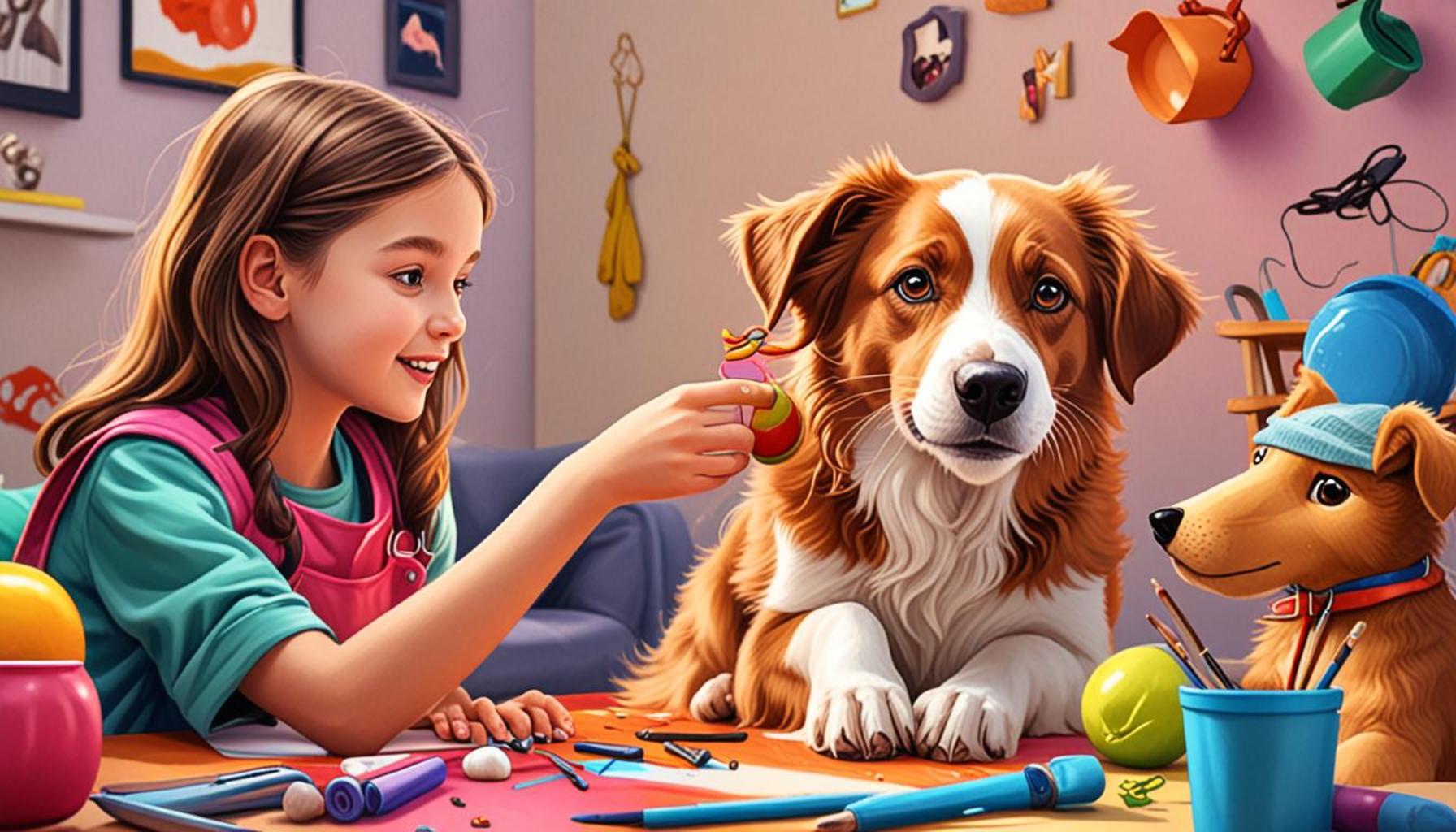
The Journey of Rescuing a Pet: A Family Affair
Bringing a rescued pet into your home is nothing short of transformative. The joy that accompanies integrating a new furry family member can be exhilarating, yet it can present challenges, especially when young children are involved. Proper preparation is the cornerstone of ensuring a harmonious environment where both your pet and kids can flourish. This includes understanding the unique needs and behaviors of your newly adopted animal.
Key Considerations for a Graceful Introduction
Before allowing your pet to interact freely with children, several critical factors need to be taken into account:
- Assessing Temperament: Each animal comes with its own personality. It is essential to spend time observing how your pet responds to various situations, environments, and people. For instance, some dogs might be playful and sociable, while others may be more reserved or skittish. Take note of their behavior during walks, playtime, and even during quiet moments around the house.
- Establishing Boundaries: Setting firm but fair boundaries can help everyone coexist more comfortably. Identify “safe spaces” where your pet feels secure, such as a crate or a specific room. Inform children about these areas and ensure they understand the importance of respecting them. This not only protects your pet from feeling overwhelmed but also teaches kids empathy and respect for animals’ needs.
- Gradual Introductions: Patience is essential when introducing your pet to children. Begin with brief interactions in a quiet, controlled environment. Perhaps start with a few minutes of supervised play, gradually increasing the time spent together as your pet shows comfort. This gradual process helps the animal acclimate to the presence of children without feeling stressed.
Promoting Understanding Among Family Members
Equipping both your pet and your children with the right knowledge is crucial for fostering a peaceful coexistence. Teach your children how to approach animals gently. A low, calm voice, gentle petting, and avoiding sudden movements goes a long way in ensuring a positive experience. For example, show them the correct way to pet a dog: starting from the side, rather than approaching head-on, which can be perceived as threatening by some animals.
Moreover, educating kids on the subtle cues their furry companions express—such as wagging tails signaling happiness, or flattened ears indicating fear—can help them interpret animal behavior more accurately. This knowledge is paramount for nurturing a loving relationship and significantly reduces the potential for misunderstandings that may lead to anxiety or aggressive behavior.
Embracing the Challenge with Patience
As you embark on this journey, remember that each pet adjusts at their own pace. Your guidance and support will be invaluable in creating a seamless introduction. It is important to keep in mind that a harmonious relationship between a rescued pet and children can blossom, leading to cherished memories and a nurturing environment for all involved.
Are you prepared to provide a loving home where both your rescued pet and children can thrive together? With thoughtful preparation and mindful actions, your family can enjoy a fulfilling life that includes the joy of pet companionship.
DON’T MISS: Click here to discover essential tips
Understanding Your Rescued Pet’s Background
When you bring home a rescued pet, it’s essential to acknowledge that their past experiences may shape their current behavior. Many rescued animals have endured stressful or traumatic situations, which can influence how they perceive children. Understanding your pet’s background can provide valuable insight into their behavior and reactions. For instance, a dog that was previously abandoned in a household with small children may have developed fear or anxiety around kids. Conversely, a cat who was socialized with children may be more readily adaptable to family life.
A good starting point is to gather as much information as possible from the shelter or rescue organization regarding your pet’s history. Knowing if they had positive or negative interactions with children can help you predict how they might react when meeting your own family members. In lieu of this information, spend quality time observing your pet’s interactions with different stimuli in your home environment, as this can shed light on their comfort levels and boundaries.
Creating a Safe Space
Establishing a safe space for your rescued pet is essential for their adjustment and comfort. This designated area should be away from the hustle and bustle of daily activities and can include a cozy crate or a quiet room where they can retreat when feeling overwhelmed. Involving your children in creating this space can also teach them about respecting your pet’s needs and boundaries. Here are some tips for setting up a safe space:
- Choose a Quiet Location: Select a spot in your home that is away from noise and high traffic areas. This will help your pet feel more secure and less anxious.
- Include Comfort Items: Add your pet’s favorite blanket, toys, and a bed to their space. Familiar scents and comforts can help them feel more at ease.
- Keep it Consistent: Make sure your pet has unrestricted access to their safe space at all times, allowing them to retreat whenever needed without feeling cornered.
Additionally, it’s vital to educate your children about the purpose of this safe space. Encourage them to provide their pet with the option to retreat when they display signs of stress. Teaching kids to recognize when a pet is not comfortable will foster empathy and understanding, essential traits for nurturing a respectful relationship.
Implementing Behavior Training
Before introducing your pet to your children, incorporating basic behavior training can be immensely beneficial. Simple commands like “sit,” “stay,” and “leave it” can help establish a level of control and understanding between your pet and your kids. Involving children in the training process can also create a sense of responsibility and bond the family closer with their furry friend.
Moreover, positive reinforcement during interactions is vital. Whenever your pet exhibits calm behavior around the children, reward them with praise, treats, or affection. This strategy helps reinforce good behavior and provides your pet with an understanding that children can be sources of comfort and happiness, rather than stressors.
In summary, preparing your rescued pet for interactions with children involves a combination of understanding their background, creating safe spaces, and incorporating training. With patience, support, and a thoughtful approach, you can set the foundation for a flourishing companionship that will enhance the lives of both your children and your pet.
| Training Techniques | Direct Benefits |
|---|---|
| Positive Reinforcement | Encourages desired behaviors and builds trust. |
| Socialization Exercises | Expands pet’s comfort around kids; fosters interaction. |
| Controlled Introductions | Reduces anxiety for both pets and children. |
| Supervised Playtime | Ensures safety and encourages positive interactions. |
When it comes to integrating your rescued pet into a household with children, understanding effective training techniques is pivotal. Positive reinforcement, for instance, can transform behavior and increase your pet’s confidence, making them more adaptable to interactions with kids. In addition, socialization exercises are essential; they provide your pet with the exposure needed to build comfort levels around children. Furthermore, techniques such as controlled introductions can significantly minimize stress for both your pet and child. This method involves gradual exposure, allowing for a less overwhelming experience. Supervised playtime is also a vital strategy that ensures safety while facilitating joyful moments between your pet and children, creating lasting bonds. By exploring these techniques, you not only enhance your pet’s adaptability but also contribute to a harmonious family environment.
DISCOVER MORE: Click here for expert tips on caring for senior pets
Supervising Initial Interactions
Once you have established a safe space and implemented behavior training with your rescued pet, the next crucial step is to focus on supervising their initial interactions with children. These first encounters are vital and should be carefully managed to ensure a positive experience for both parties. Supervision is not just a precaution; it’s a proactive measure to teach children how to appropriately interact with their new furry friend.
Guiding Children in Interaction
It is essential to guide your children on how to approach and engage with the pet. Here are some recommendations to make the introduction smoother:
- Teach Calm Approaches: Explain to your children the importance of approaching the pet calmly and gently. Running, yelling, or sudden movements can be overwhelming for a rescued animal that may already have anxiety issues.
- Encourage Quiet Play: Use quiet toys, such as a soft ball or a feather wand, to engage the pet. This allows for playful interaction without overwhelming the animal and provides children with ways to bond through play.
- Respect Boundaries: Remind your children that just like people, pets have their own comfort levels. If the pet retreats to its safe space or displays any signs of discomfort, it is crucial for them to respect these boundaries and give the pet space.
Recognizing Body Language
Understanding a pet’s body language is vital in ensuring that interactions are safe and enjoyable. Both children and adults should be educated on recognizing signs of comfort and discomfort in your rescued pet. Positive signs include:
- Relaxed Body Posture: A pet that feels safe may have a loose body posture, wagging tail (in dogs), or a relaxed face.
- Cuddling and Leaning: Approaching your children, leaned body, or being close often signifies acceptance and a desire for affection.
On the other hand, be vigilant for cues indicating stress or discomfort, such as:
- Tucked Tail: A tail tucked between the legs can indicate fear or anxiety.
- Growling or Hissing: Vocalizations such as growling (in dogs) or hissing (in cats) serve as express warnings to back off.
- Averting Gaze: If your pet turns away or avoids eye contact, it may be attempting to signal that it needs some distance.
Setting Up a Structured Meeting
To ensure safety and comfort during these initial interactions, consider doing a structured meeting where both the pet and your children are gradually introduced in a controlled manner. Here’s a simple plan:
- Choose a Neutral Location: Start in a quiet room or backyard away from any distractions, ensuring the atmosphere is calm.
- Involve Children in the Initial Greeting: Allow children to speak softly or offer a treat while the pet is on a leash or in a carrier. This enables a less overwhelming introduction.
- Increase Interaction Gradually: After the pet shows signs of comfort, gradually increase the extent of interactions, offering breaks frequently to avoid overstimulation.
Remember, patience is key. Each pet is unique and may take varying amounts of time to adjust to family life, especially in the presence of children. Monitoring interactions and continuously reinforcing positive behaviors will help cultivate a lasting bond between your rescued pet and your family.
DISCOVER MORE: Click here to learn about the crucial role of socialization in dog training
Conclusion
Preparing your rescued pet to interact with children is a significant and rewarding journey that requires thoughtfulness, patience, and understanding. As we’ve explored throughout this article, the foundational steps of creating a safe space and implementing behavior training pave the way for successful introductions. However, it is the proactive supervision of their initial interactions that plays a vital role in fostering a harmonious relationship between your pet and your children.
Remember, educating children about how to engage with animals gently and respectfully is crucial. By teaching them to recognize and respect a pet’s body language, we cultivate a compassionate and safe environment for both parties. This education not only safeguards your pet’s well-being but also instills valuable life lessons in children about empathy and responsibility.
Structured meetings serve as an opportunity for pets and children to gradually acclimate to one another, ensuring that both feel secure in their new roles. Modelling calm behavior, allowing quiet play, and understanding the boundaries of both the pet and children can create a loving atmosphere.
Ultimately, each pet has its unique personality and pace of adjustment. Therefore, allowing the relationship to develop naturally while reinforcing positive experiences will lead to a lasting bond. By following these guidelines and fostering a loving environment, you are not just preparing your rescued pet for a life with children; you are enriching the lives of both your family and your new furry friend. To dive deeper into this rewarding journey, consider resources on pet behavior and interaction dynamics for families to broaden your understanding and enhance the experience of welcoming a rescued pet into your home.

Linda Carter
Linda Carter is a writer and pet care expert specializing in pet health, grooming, and wellness. With extensive experience helping pet owners create safe, loving, and enriching environments for their animals, Linda shares her knowledge on our platform. Her goal is to empower readers with practical advice and strategies to ensure their pets thrive and lead joyful, healthy lives.