
Trends in Veterinary Medicine: Technological Innovations for Animal Health Care
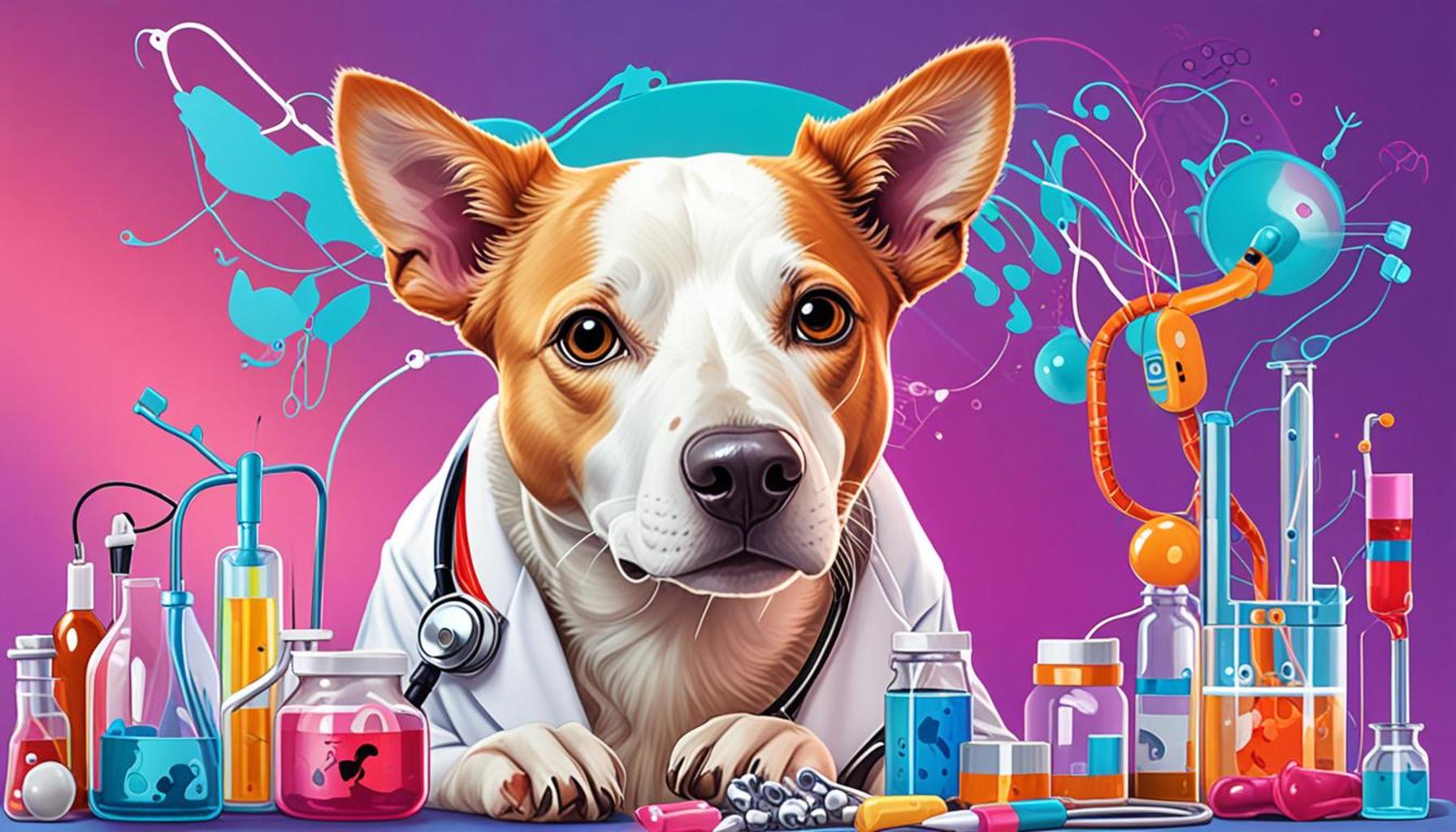
The Evolution of Veterinary Medicine Through Technology
The veterinary field is embracing an era of transformative change, largely driven by rapid technological innovations. As pet ownership continues to soar in the United States, with statistics showing that around 70% of households own a pet, the demand for enhanced veterinary care has never been more pronounced. This growing need not only elevates the standard of care but also ensures better health outcomes for our cherished animals.
Modern technology has equipped veterinarians with tools that allow for more precise diagnostics and effective treatment plans. Let’s explore some key advancements shaping this new frontier in veterinary medicine:
- Telemedicine: This revolutionary approach to veterinary care allows pet owners to consult with veterinarians remotely, saving time and resources. For instance, during the COVID-19 pandemic, many practices adopted telehealth services, conducting virtual check-ups while alleviating fears about in-person visits.
- Wearable Technology: Just like fitness trackers for humans, wearable devices like collars equipped with GPS and health monitoring capabilities enable real-time tracking of pets’ vital signs and activity levels. This latest trend is particularly beneficial for elderly pets or those with chronic conditions who require constant vigilance.
- AI and Machine Learning: Artificial Intelligence is becoming a cornerstone in veterinary diagnostics. For example, using machine learning algorithms, veterinarians can analyze complex data from diagnostic images, allowing for faster and improved accuracy in identifying conditions like tumors or fractures.
- 3D Printing: This innovative technology is changing the way medical devices and prosthetics are created for animals. Customized solutions, such as tailored prosthetic limbs or surgical guides, can now be designed with incredible precision, improving the quality of life for pets recovering from surgeries or injuries.
These developments illustrate just a fraction of the exciting advancements impacting veterinary practices today. As technology continues to surge forward, the capacity for veterinarians to deliver individualized and groundbreaking treatments expands significantly. The synergy of innovation and compassion is precipitating a new era in animal health care, ensuring pets receive not only the best possible medical attention but also the love and care they deserve.
As these technologies evolve, pet owners are encouraged to stay informed and engaged with their veterinarians. Open communication and an understanding of these advancements will foster better partnerships between pet owners and veterinary professionals, ultimately leading to healthier and happier pets across the nation. Future advancements in veterinary medicine hold the promise of even more tailored treatments and improved health outcomes, making it a vital area of exploration for any pet lover.
DISCOVER MORE: Click here to learn about the nutritional needs of various dog breeds
Revolutionizing Animal Health with Cutting-Edge Technologies
The veterinary landscape is experiencing a remarkable shift, driven by technological innovations that enhance the way veterinary professionals interact with and treat animals. As the demand for comprehensive pet care intensifies, these advancements are not merely supplemental; they represent a definitive change in the paradigm of animal health care. The integration of technology into veterinary practices promises to improve both the efficiency and quality of care.
Among the notable trends reshaping this field, telemedicine stands out as a groundbreaking innovation. Veterinarians can now conduct consultations with pet owners without the need for face-to-face visits. The convenience of remote consultations allows for quicker guidance on non-emergency medical issues and is particularly advantageous for pet owners in rural areas where access to veterinary services may be limited. A survey by the American Veterinary Medical Association revealed that nearly 75% of pet owners found telemedicine to be a useful tool in their pet’s health management, demonstrating its growing acceptance and significance in veterinary care.
Bringing the Hospital to Your Home
In addition to telemedicine, wearable technology is garnering attention as an essential advancement in monitoring pet health. Devices such as smart collars are designed to track various health metrics, including heart rate, sleep patterns, and daily activity levels. This information not only helps pet owners become more attuned to their pets’ health but also provides veterinarians with critical data that can inform treatment decisions. For instance, the data from these wearables can alert veterinarians to early signs of distress or illness, allowing for timely interventions—an essential element in managing chronic conditions, especially in older animals.
The Power of Predictive Analytics
Another remarkable development in veterinary medicine is the use of artificial intelligence (AI) and machine learning. These technologies enable the analysis of vast quantities of data and can identify patterns that may escape the human eye. AI-powered systems assist veterinarians in diagnosing conditions more accurately and swiftly, enhancing the chances of favorable outcomes for animals. For example, machine learning algorithms can analyze x-ray images to detect fractures or tumors with high precision, ultimately leading to faster treatment protocols for pets.
Customized Solutions for Every Need
Additionally, 3D printing has introduced a new realm of possibilities for creating customized medical devices and prosthetics for animals. Tailored solutions, such as specific-sized prosthetic limbs or specialized surgical guides, can improve recovery times and significantly enhance the quality of life for pets following medical procedures. This level of customization not only demonstrates the advances in veterinary technology but also showcases a deepening understanding of animals’ unique anatomical needs.
As we stand on the brink of a new era in veterinary medicine, the convergence of technology and compassionate care is providing innovative solutions that cater to both veterinarians and their clients. These trends signify just the beginning of a greater movement toward enhanced animal health care that resonates with pet owners’ aspirations for the well-being of their beloved companions.
| Category | Benefits |
|---|---|
| Telemedicine | Improves access to care for pets in remote locations, allowing for quick consultations via video. |
| Wearable Technology | Enables real-time health monitoring, providing pet owners and veterinarians with vital health data. |
| 3D Printing | Facilitates the creation of custom prosthetics and implants, immensely improving recovery times for injured animals. |
| AI Diagnostics | Enhances diagnostic accuracy through machine learning, allowing for quicker identification of diseases. |
The landscape of veterinary medicine is rapidly being transformed by these technological innovations. The rise of telemedicine simplifies access to veterinary care, particularly beneficial for rural pet owners. Wearable technologies like fitness trackers not only monitor a pet’s physical activity but can also alert owners to potential health issues through data analytics. Moreover, 3D printing is revolutionizing how we approach surgical procedures by enabling the creation of bespoke medical implants tailored to individual animals, which significantly enhances recovery rates. AI-driven diagnostics are further minimizing human error, leading to timely intervention and treatment. Each of these advancements not only streamlines care processes but also prioritizes the health and well-being of animals, urging veterinary professionals to delve deeper into these cutting-edge practices.
Dive deeper into dog diets: Click here to learn more!
Expanding Horizons: Innovations in Diagnostics and Treatment
The rapid pace of advancement in veterinary technology is not limited to just convenience; it also brings forth profound improvements in diagnostics and treatment modalities. One of the most significant breakthroughs is the advent of diagnostic imaging technologies, including advanced ultrasound, computed tomography (CT), and magnetic resonance imaging (MRI). These tools elevate a veterinarian’s ability to accurately assess and diagnose complex health conditions. Studies show that early and precise diagnostics lead to better treatment outcomes, underscoring the value of these technologies in veterinary settings across the United States.
Genomics: Tailored Treatments for Individual Care
Moreover, the field of veterinary genomics is on the rise, bringing an unprecedented level of personalization to animal health care. Genetic testing allows veterinarians to identify specific health risks related to certain breeds and individual animals. For example, the identification of genetic predispositions to conditions like hip dysplasia or certain forms of cancer empowers veterinary professionals to develop tailored preventive care plans. As research in this field expands, more veterinary clinics are expected to incorporate genomic testing into their routine practices, further enhancing the approach to animal health care.
Robotics in Veterinary Surgery
Robotics is also making waves in veterinary medicine, particularly in surgical procedures. Robotic-assisted surgery can promote precision and minimize invasiveness, thereby reducing recovery times and improving patient outcomes. This technology is proving especially beneficial for delicate surgical tasks, allowing veterinarians to perform complex operations with enhanced dexterity. The adoption of such technology, while still emerging, indicates a promising trend where robotic systems complement the expertise of veterinary surgeons.
Digital Platforms and Management Solutions
Additionally, the integration of cloud-based management software is transforming the way veterinary practices operate. These platforms streamline operations by enhancing communication between staff, simplifying record-keeping, and improving customer relationship management. By utilizing such technological tools, veterinary practices can effectively track patient histories, vaccination schedules, and treatment plans. Furthermore, with features like automated reminders for pet owners, these platforms ensure that animals receive timely care, thus fostering better health outcomes.
Smart Farming Technologies: A New Dimension
In the realm of large animal care, agritech innovations are just as transformative. The use of smart collars and cattle monitoring systems allows farmers and veterinarians to monitor the health and behavior of livestock remotely. Sensors can capture data on feeding habits, activity levels, and even environmental conditions, alerting farmers to abnormalities that could indicate health issues. As a result, the proactive management enabled by these technologies can significantly affect herd health, reduce veterinary costs, and establish higher standards for animal welfare.
The amalgamation of these advanced technologies signifies a new age in veterinary medicine, marked by a commitment to delivering superior care through innovation. Importantly, as the veterinary profession moves forward, the collaboration between technology and medical expertise is shaping a future where animal health can be managed with precision, heightened awareness, and unparalleled care.
DISCOVER MORE: Click here to learn about the bond with our furry friends
Looking Ahead: The Future of Veterinary Medicine
The trajectory of veterinary medicine is being reshaped by the continuous influx of technological innovations that promise to enhance animal health care. As we embrace advanced diagnostics, such as imaging technologies and genomics, the ability to diagnose and treat health issues at early stages has significantly improved. This not only leads to better outcomes for pets and livestock alike but also cultivates a more informed approach to preventative care.
Moreover, the integration of robotics and cloud-based management systems represents a shift towards precision and efficiency in veterinary practices. These innovations allow veterinarians to perform with greater accuracy and simplify administrative tasks, ultimately enabling them to focus more on direct patient care. As the reliance on data-driven insights grows, the role of smart farming technologies cannot be understated in promoting the welfare of livestock while optimizing farm operations.
However, as we advance into this promising future, it’s crucial to remain vigilant about the ethical implications of such technologies. The veterinary profession must continue to balance innovation with compassion, ensuring that the welfare of animals remains at the forefront of care. The ongoing collaboration between practitioners and technologists will be pivotal in addressing challenges and realizing the full potential of these advancements.
In conclusion, the trends in veterinary medicine signal a paradigm shift that is not only enhancing the quality of animal health care but also paving the way for a more interconnected and informed approach to veterinary practice across the United States. Embracing these changes will undoubtedly lead to a more profound understanding of animal health and foster a brighter future for both pets and their human companions.

Linda Carter
Linda Carter is a writer and pet care expert specializing in pet health, grooming, and wellness. With extensive experience helping pet owners create safe, loving, and enriching environments for their animals, Linda shares her knowledge on our platform. Her goal is to empower readers with practical advice and strategies to ensure their pets thrive and lead joyful, healthy lives.