Dog Training for Outdoor Activities: Tips to Increase Safety and Fun
Enhance Your Outdoor Adventures with Your Dog
Outdoor activities with your dog can be one of the most rewarding experiences, but they also come with unique challenges. Proper dog training ensures both safety and enjoyment in environments that can be unpredictable. Here are a few aspects to consider when preparing your dog for outdoor adventures:
- Basic Commands: Sit, stay, and come are essential for controlling your dog in open spaces. These commands help you manage your dog’s behavior proactively, reducing the likelihood of escape during thrilling moments or when encountering wildlife on trails.
- Socialization: Introduce your dog to different environments and other dogs to reduce anxiety and promote friendly interactions. Regular exposure to various situations, such as busy parks or dog-friendly events, will make your dog more adaptable and less reactive around unfamiliar stimuli.
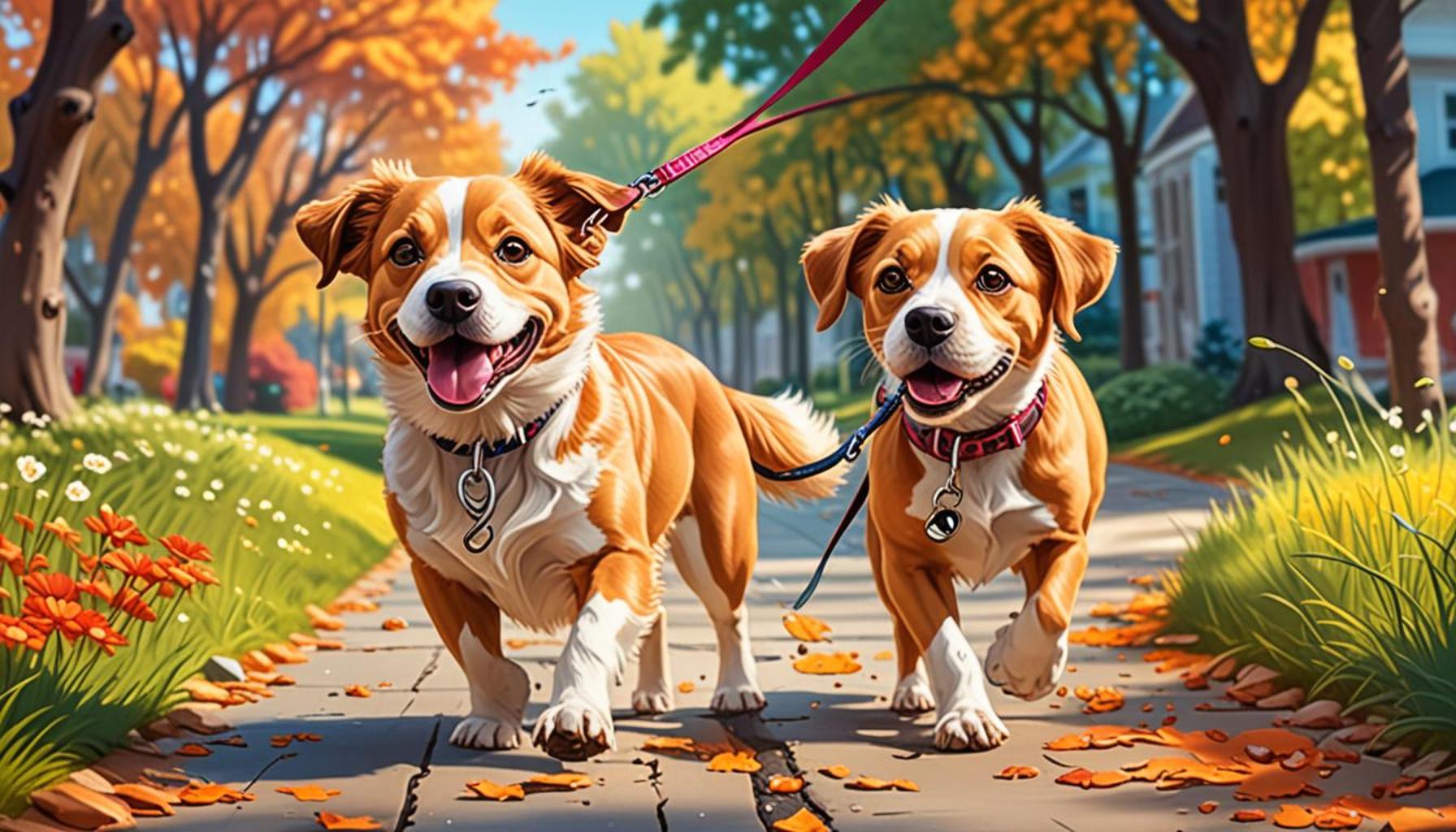
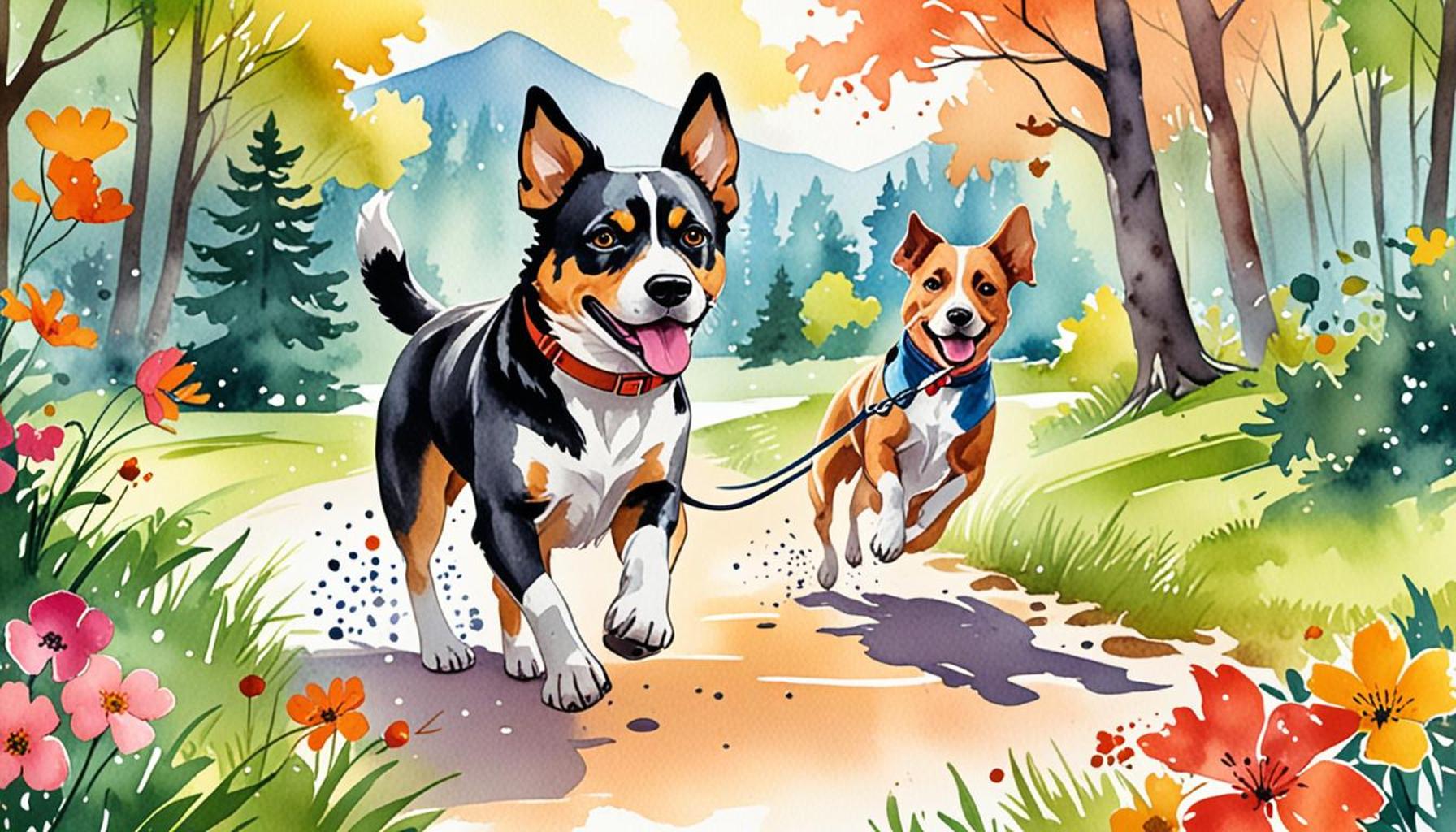
- Leash Training: A well-trained dog on a leash can prevent dangerous situations and ensure safety. Using a comfortable, sturdy leash with a proper harness not only provides control but also makes your dog feel secure while exploring new environments.
Understanding these training fundamentals helps transform your outings into enjoyable and safe experiences. Moreover, successful training can lead to delightful moments, including:
- Exploring new hiking trails together, where you’ll witness the joy in your dog’s eyes as they discover new scents and sights.
- Playing fetch in the park, an excellent way to bond while allowing your dog to expend energy and engage naturally.
- Engaging in water activities at the beach or lake, which can be both refreshing and a fun way for your dog to practice swimming.
By focusing on training, you not only increase safety but also enhance the overall enjoyment for both you and your furry companion. Effective dog training for outdoor adventures can be fun and rewarding. For instance, consider incorporating the “leave it” command to keep your dog from picking up harmful objects or chasing after wildlife. Using positive reinforcement techniques, such as treats and praises, will encourage your dog to learn and respond better in outdoor settings.
In this article, we will dive deeper into effective strategies for dog training that cater specifically to outdoor activities. Practical tips, such as setting up mock situations to practice commands and regularly assessing your dog’s behavior in different environments, will be explored. Get ready to discover insights that will make your adventures memorable and strengthen your bond with your dog!
DISCOVER MORE: Click here to learn about the nutritional needs of your furry friend
Essential Commands for Outdoor Success
When embarking on outdoor adventures with your dog, mastering a set of essential commands is crucial. These commands serve as the foundation of effective dog training and can significantly increase safety while adding fun to your outings. Here are key commands every dog should learn:
- Come: This command is vital for keeping your dog safe in open areas. Teaching your dog to respond promptly to “come” ensures they will return to you, even when distractions are present, such as other animals or enticing scents.
- Stay: A reliable “stay” command can keep your dog stationary while you navigate tricky terrain or prepare equipment. This simple command prevents your dog from running off unexpectedly, allowing you to maintain control during hikes or busy park visits.
- Leave It: Instilling a solid understanding of “leave it” can protect your dog from potentially harmful items, such as trash or toxic plants. This command will also prevent your dog from chasing after wildlife, keeping them secure and focused on your activities.
Alongside commands, practicing positive reinforcement during training sessions is crucial. Use treats, praise, and playtime to encourage your dog to associate these commands with positive outcomes. By reinforcing these behaviors regularly, you not only increase their likelihood of following your commands but also strengthen your bond.
Benefits of Socialization in Outdoor Environments
Another cornerstone of effective dog training is socialization. Exposure to various environments and interactions with different dogs can aid in reducing anxiety and preventing aggressive behaviors. By regularly socializing your dog in outdoor settings, you will prepare them for the unpredictability of nature. Here are several socialization tips for your canine companion:
- Join Group Activities: Enroll in group training classes or dog meet-ups in parks. These opportunities allow your dog to interact with other animals in a controlled environment.
- Visit Dog-Friendly Locations: Frequent locations such as dog parks, pet stores, or outdoor cafés where dogs are welcomed. The more diverse the experiences, the better adjusted your dog will be in various situations.
- Introduce New Scents and Sounds: Take your dog on walks in new environments, such as urban areas, beaches, or trails. Each location introduces unique stimuli, helping your dog become adaptable and comfortable with new experiences.
Proper socialization helps reduce fear and boosts confidence, transforming your outdoor adventures into enjoyable experiences inclusive of both companionship and exploration. Remember, the goal is to create a well-rounded dog ready to tackle the great outdoors alongside you.
Choosing the Right Equipment
In addition to training commands and socialization, selecting the right equipment plays a critical role in ensuring the safety and comfort of your dog during outdoor activities. A sturdy and well-fitted harness or collar is essential, but the leash you choose can greatly affect your control over your dog. A long leash can provide flexibility for your dog to explore while still ensuring safety, especially in remote areas.
As you prepare for your outdoor adventures, keep these training foundations and equipment considerations in mind, setting the stage for memorable experiences with your furry friend. By ensuring your dog is obedient, socialized, and well-equipped, you pave the way for countless exciting excursions in nature.
| Category | Advantages |
|---|---|
| Training Techniques | Consistency and Positive Reinforcement enhances learning. |
| Safety Measures | Prevent Injuries and Accidents by teaching commands that promote control. |
| Socialization | Improved Behavior in various outdoor settings reduces stress. |
| Fun Activities | Enhanced Bonding Time with your dog through engaging games. |
Outdoor dog training is a world of opportunity filled with potential benefits that go beyond mere obedience. Understanding training techniques is crucial; using methods like consistency and positive reinforcement can transform a simple exercise into a rewarding experience that deepens your dog’s learning. In the realm of safety measures, commands like “stay” or “come” can significantly minimize risk during unpredictable outdoor encounters, thus ensuring your furry friend remains unharmed. Additionally, socialization exercises in controlled environments lead to improved canine behavior in real-world settings, which can lessen anxiety for both owner and dog. Last but not least, incorporating fun activities such as agility courses not only enhances bonding but also inspires joy in the outdoor experience. Embracing these principles ensures that every outdoor adventure is both safe and entertaining, making training a shared journey toward happiness.
LEARN MORE: Click here for essential tips
Understanding Canine Body Language
As you prepare for outdoor adventures with your dog, being able to read canine body language becomes an essential skill. Just like humans, dogs communicate with their body movements and expressions, and understanding these signals can significantly enhance your outdoor experiences while ensuring safety. Here are some key indicators to look out for:
- Tail Position: A wagging tail often indicates excitement or happiness, but it’s important to pay attention to the speed and height. A high, fast wag might suggest excitement, while a lowered, slow wag may indicate anxiety or submission. Adjust your approach accordingly.
- Ears and Eyes: Ears that are perked up can signify curiosity, while ears that are pinned back against the head often suggest fear or aggression. Additionally, dilated pupils can indicate excitement but can also signify stress, which warrants closer observation.
- Body Posture: An excited or happy dog might have a relaxed stance with a slight bounce, while a dog that is scared may crouch low to the ground. Knowing these differences can help you gauge your dog’s comfort level in different environments.
By learning to decipher your dog’s body language, you can proactively manage situations that may cause stress or anxiety. For example, if your dog shows signs of unease around other dogs, you can create space and redirect them with training commands, making the experience more enjoyable for everyone.
Safety Precautions for Outdoor Adventures
Enhancing the safety of your outdoor excursions is paramount. Dog training isn’t just about obedience; it also involves preparing for potential hazards on the trail. Here are some practical safety tips to consider:
- Check for Local Regulations: Always be knowledgeable about the leash laws and regulations of the outdoor areas you plan to visit. Some trails may require dogs to be leashed at all times, while others have designated off-leash areas. Understanding the rules can prevent unwanted fines and ensure a safe experience for all.
- Pack the Essentials: Prepare a travel kit that includes sufficient water, a portable bowl, dog-friendly snacks, poop bags, a first-aid kit, and any necessary medications. Keeping your dog hydrated and cared for is essential during outdoor activities.
- Monitor Weather Conditions: Extreme temperatures can pose risks to your dog. Make adjustments to your activities accordingly, whether that means taking breaks in the shade on hot days or avoiding long walks in severe cold. Always be attuned to how your dog is feeling.
These safety precautions, combined with your dog’s training, ensure a fulfilling outdoor experience. Recognizing potential risks and being prepared can mitigate many common issues that may arise during your adventures.
Creating Engaging Outdoor Activities
Your training efforts can be further enhanced by incorporating engaging outdoor activities that challenge your dog both physically and mentally. Here are some ideas:
- Agility Training: Set up a makeshift agility course with natural obstacles like logs, streams, or open spaces. Encourage your dog to navigate these challenges, which will not only build confidence but also strengthen your bond through teamwork.
- Treasure Hunts: Hide treats or toys in the outdoor environment and encourage your dog to find them. This activity stimulates their natural instincts and provides them with satisfying mental challenges while enjoying nature.
- Off-leash Play in Safe Environments: If your dog has mastered the essential commands and has shown reliable behavior in controlled settings, consider letting them play off-leash in designated safe areas. This can enhance their joy while allowing them to explore their surroundings.
By diversifying your outdoor activities, you can create enriching experiences that will keep your dog happy, fit, and engaged. The combination of solid training, understanding body language, ensuring safety, and providing unique adventures enables you to enjoy the great outdoors together with your furry companion fully.
DISCOVER MORE: Click here to learn about essential nutrition for your pet
Conclusion
In summary, embarking on outdoor adventures with your dog can be a rewarding experience filled with fun and exploration, provided you are well-prepared. Dog training for outdoor activities plays a crucial role in ensuring both safety and enjoyment. By mastering essential commands, you empower your dog to navigate diverse terrains responsibly and understand their environment effectively.
Additionally, recognizing your dog’s body language can help you gauge their comfort and excitement levels, facilitating timely interventions if they display any signs of anxiety. In tandem with this understanding, prioritizing safety by adhering to local regulations, packing necessary supplies, and monitoring weather conditions will safeguard both you and your canine companion during your outings.
Moreover, engaging your dog in varied outdoor activities not only promotes physical health but also enriches their mental well-being. Whether it’s agility training, treasure hunts, or off-leash play, creating stimulating experiences can deepen your bond and enhance their training. Ultimately, incorporating these elements into your adventures will ensure that both you and your dog cherish quality time in the great outdoors.
As you embrace these dog training tips for outdoor activities, you pave the way for enjoyable outings filled with love, excitement, and newfound discoveries. So grab the leash, prepare your supplies, and venture into nature with your four-legged friend, knowing that a safe and fun journey awaits!