The Importance of Proper Nutrition for Pet Health
The Imperative Nature of Pet Nutrition
A pet’s nutrition acts as a foundational element that dictates not only their physical health but also their mental well-being. Just as a well-balanced diet is crucial for human health, it is equally important for pets. The food we provide them plays an essential role in their overall vitality and happiness. Poor nutrition can manifest in worrying ways, such as excessive weight gain or issues related to digestion, ultimately affecting the animal’s quality of life.
Key Benefits of Proper Pet Nutrition
Good nutrition is an investment in your pet’s future, yielding numerous health benefits. Here are some notable advantages:
- Optimal Growth and Development: Puppies and kittens experience rapid growth, making essential nutrients like proteins, omega fatty acids, and vitamins critical for bone health, muscle development, and even cognitive function. For example, DHA, a type of omega-3 fatty acid, is vital for brain development in young animals.
- Disease Prevention: A nutritious diet fosters a strong immune system, which plays a significant role in warding off chronic ailments. Studies have shown that pets consuming antioxidant-rich diets have lower incidences of diseases such as arthritis and certain cancers, ensuring they lead longer, healthier lives.
- Enhanced Energy Levels: Pets that eat balanced meals exhibit increased vitality and playfulness, fueling their day-to-day activities. This is particularly crucial for active breeds known for their high energy levels, such as Border Collies and Retrievers, who require higher caloric intake to maintain their stamina.
Dietary needs differ tremendously among species, breeds, and life stages. For instance, a growing puppy requires a higher caloric intake and additional protein for strong muscle growth compared to the more stable energy requirements of an adult dog. Older pets might benefit from diets that are lower in calories but higher in fiber to support digestion and weight management. Understanding these differences enables pet owners to tailor nutrition plans that meet specific health and lifestyle demands.
In essence, the ramifications of proper nutrition on pet health are both significant and far-reaching. Providing pets with the best possible diet is not merely a luxury; it is a necessity. By exploring the wealth of dietary options—be it raw, grain-free, or commercially prepared—pet owners can make informed choices. Such decisions can lead to enriched lives for their furry companions. Consequently, an investment in nutrition is an investment in well-being and longevity.
DIVE DEEPER: Click here to discover more about your dog’s nutritional needs
Understanding the Nutritional Needs of Pets
When it comes to pet health, one size certainly does not fit all. Each pet, whether a dog, cat, bird, or even a rabbit, has unique nutritional requirements that align closely with their species, breed, age, and lifestyle. Recognizing these specific demands is essential for ensuring that your beloved companion thrives both physically and mentally.
Let’s delve into the primary components that make up a balanced diet for pets:
- Proteins: Proteins are the building blocks of life. They play a crucial role in muscle development and repair, as well as providing energy. For active dogs, a high-protein diet with quality sources like chicken, beef, or fish can promote stamina and strength.
- Fats: These are essential for energy, and they also promote healthy skin and a shiny coat. Omega-3 and Omega-6 fatty acids, found in fish oils and flaxseed, are especially important. They help reduce inflammation in pets, which can lead to better overall health.
- Carbohydrates: While some pet owners believe carbohydrates should be avoided, they can be an important energy source. Whole grains, sweet potatoes, and legumes provide that necessary fuel. However, it’s vital to choose high-quality carbohydrates that digest easily.
- Vitamins and Minerals: These micronutrients play various supporting roles in the body, aiding in processes such as immune function, bone health, and blood clotting. A diverse diet rich in fruits and vegetables can help supply these necessary vitamins and minerals, preventing deficiencies.
In addition to understanding these key components, it’s also crucial to pay attention to the life stage of your pet. For example, puppies require diets that are richer in calories and protein to support their rapid growth, while senior pets may need lower caloric intake and added fiber to assist with digestion. Moreover, certain health conditions, such as diabetes or allergies, may necessitate special dietary considerations. Thus, consulting with a veterinarian to craft a personalized nutrition plan can be a game changer for pet owners.
The sheer range of pet food available on the market today can be overwhelming. From dry kibble to wet food, raw diets to homemade meals, understanding what truly constitutes a nutrient-rich option can enhance your pet’s well-being dramatically. It’s essential for pet owners to research and evaluate the ingredients of commercial pet foods meticulously, choosing options that prioritize whole, natural ingredients over fillers and artificial additives.
Ultimately, as caretakers of our pets, we hold the responsibility of ensuring they receive not only adequate sustenance but also a diet that contributes to their happiness and health. Proper nutrition is not merely about filling a bowl; it’s about empowering our furry friends to lead vibrant, fulfilling lives. By making informed choices regarding what we feed them, we can achieve the goal of a healthy, happy pet for years to come.
| Advantage | Details |
|---|---|
| Weight Management | Proper nutrition helps maintain a healthy weight for pets, reducing risks of obesity-related health issues. |
| Improved Immunity | Balanced diets provide essential vitamins and minerals that enhance the immune system, keeping pets resilient against diseases. |
Incorporating a well-structured diet is crucial. Weight management is not just about keeping pets looking good; it is a vital aspect of extending their lifespan and improving their quality of life. Many pet owners overlook the fact that obesity can lead to severe health complications such as diabetes and joint issues.Furthermore, a diet rich in quality ingredients can bolster a pet’s immune system. Essential nutrients support various bodily functions, ensuring pets are better equipped to fend off infections. Research indicates that high-quality protein sources in pet food lead to improved muscle development and recovery, allowing pets to exhibit vigor and vitality throughout their lives. Understanding the link between diet and health can empower pet owners to make informed choices, ultimately enhancing their furry companions’ lives.
DIVE DEEPER: Click here to learn about your dog’s nutritional needs
Choosing the Right Diet for Your Pet
Now that we’ve explored the essential components of a balanced diet for pets, it’s important to discuss how to choose the right diet for your furry or feathered friends. Navigating the pet food aisle can feel like an overwhelming task, especially with the assortment of options available—each claiming to be the best for your pet’s health. However, being discerning and informed can lead you to a diet that best suits your pet’s individual needs.
One critical aspect to consider is the quality of ingredients used in pet food. High-quality brands often list real meat or fish as the first ingredient, providing necessary protein without excessive fillers. Look for whole foods listed among the ingredients, such as vegetables and grains that are healthy and digestible. Avoid products with unpronounceable additives and by-products that serve little purpose in your pet’s nutrient intake.
Moreover, understanding feeding guidelines based on your pet’s age, breed, and size is paramount. For instance, a large breed dog may require a completely different ratio of protein and fat compared to a small breed or a senior pet. Furthermore, some pets may benefit from specialized diets designed to combat health issues, such as renal support for aging cats or grain-free alternatives for dogs with sensitivities.
Also, it is beneficial to keep a close eye on your pet’s weight and body condition. Obesity in pets has become an alarming trend, leading to a range of health complications, including heart disease and joint problems. Regular weigh-ins and monitoring their body shape can help you gauge whether your pet is at a healthy weight. Consulting with a veterinarian can provide clarity on ideal weight ranges and the appropriate amount of food or treats to include in their diet.
Homemade and Raw Diets: A Growing Trend
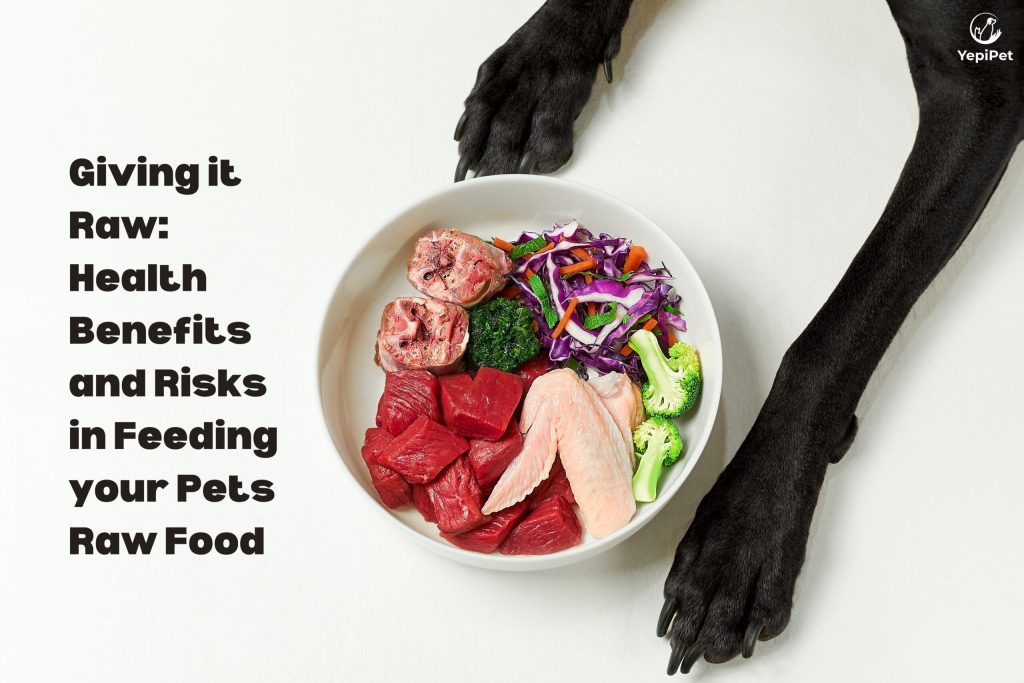
In recent times, many pet owners have turned to homemade or raw diets for their pets, seeing this as a way to provide fresh, wholesome food. While these diets can indeed be beneficial if planned carefully, they often require careful attention to ensure that all nutritional needs are met. For example, pet owners must be aware of the need for balance in proteins, fats, carbohydrates, vitamins, and minerals, as deficiencies can lead to serious health issues.
When considering homemade diets, it is crucial to work with a veterinarian or a pet nutritionist to develop recipes that are complete and balanced for your pet’s specific needs. This professional guidance can prevent the common pitfall of imbalanced diets that may arise from well-meaning but uninformed decisions.
The Role of Supplements
Another avenue worth exploring is the use of dietary supplements. While a well-rounded diet should provide most necessary nutrients, some pets may benefit from additional vitamins or minerals—especially those with specific health concerns. Probiotics, for instance, can support digestive health, while glucosamine can assist joint function in older pets. Again, these should be discussed with your veterinarian to ensure safe and effective use.
In essence, responsible feeding choices based on your pet’s unique needs can significantly enhance their, health and longevity. Whether opting for commercial pet food, a homemade approach, or a combination of both, being informed allows pet owners to create a nurturing and health-promoting environment for their pets.
DISCOVER MORE: Click here to read inspiring stories
Conclusion: A Holistic Approach to Pet Nutrition
In conclusion, proper nutrition is undeniably at the core of ensuring optimal health and wellbeing for our pets. As caretakers of these beloved companions, it is vital to recognize that a nutritious diet goes beyond just feeding them; it encompasses understanding their unique needs, monitoring their health, and making informed decisions based on their age, size, and any specific health issues.
With the myriad of options available in the pet food market today, pet owners must prioritize ingredient quality over flashy marketing claims. Choosing foods with wholesome, identifiable ingredients sets a strong foundation for a pet’s diet, fostering a resilient immune system and contributing to a longer, happier life. Additionally, consulting with veterinarians or pet nutritionists for tailored dietary choices is crucial, particularly when considering homemade or specialized diets.
By adopting a proactive stance on pet nutrition—whether it involves regular weight checks, understanding vital feeding guidelines, or integrating supplements when necessary—owners can significantly reduce the risk of diet-related health problems such as obesity, diabetes, and joint issues. Ultimately, the goal is to craft a diet that not only sustains life but enhances the quality of it.
As we continue to learn more about the nutritional requirements of our pets, it becomes imperative to engage in ongoing education and dialogue within the pet-owner community. The importance of proper nutrition for pet health is not just a trend; it’s a foundational aspect of responsible pet ownership that paves the way for happier, healthier lives for our furry friends.