
The Importance of Regular Veterinary Check-ups for Pet Health

The Importance of Regular Veterinary Check-ups
Pets are beloved members of the family, and their health and happiness depend heavily on regular medical care. While many pet owners might consider veterinary visits just for vaccinations, these appointments are, in fact, crucial for a wide range of health-related issues. Regular veterinary check-ups focus on prevention, early detection, and securing overall well-being for our animal companions.
Preventive Care: The First Line of Defense
One of the most significant benefits of routine veterinary exams is preventive care. Early intervention can often prevent a small issue from developing into a more serious condition. For example, routine blood tests can reveal underlying issues such as kidney disease or diabetes that may not be noticeable during a casual observation at home. Physical examinations also allow veterinarians to monitor changes in weight, muscle tone, or skin condition, all of which could indicate health concerns. In essence, regular check-ups act as a safety net, catching potential problems before they escalate.
Vaccination Updates: Guarding Against Disease
Vaccinations are vital for protecting pets from various contagious diseases that pose significant risks. Annual or semi-annual veterinary check-ups ensure that pets are up to date on their vaccinations. Common vaccinations in the United States include those for rabies, parvovirus, and distemper. Each of these diseases can be fatal if not properly addressed, and timely vaccinations can safeguard pets and contribute to public health by preventing the spread of diseases.
Dental Health: More Than Just Fresh Breath
A commonly overlooked aspect of pet care involves dental health. Routine dental check-ups are crucial, as many pets suffer from periodontal disease, which can lead to pain, infection, and even tooth loss. In fact, studies suggest that nearly 80% of dogs and 70% of cats exhibit some form of dental disease by the age of three. Regular dental cleanings and assessments can prevent these painful conditions, ensuring pets maintain a healthy mouth and, by extension, a healthier body.
Nutritional Guidance: Tailored Diet Plans
Veterinarians also provide nutritional advice during check-ups. Every pet has unique dietary needs based on their age, weight, and health status. For instance, a senior dog may require a diet low in calories yet high in fiber to manage their weight and digestive health. Regular veterinary visits allow for personalized dietary recommendations that promote optimal health and can help prevent obesity-related issues that are rampant in companion animals in the U.S.
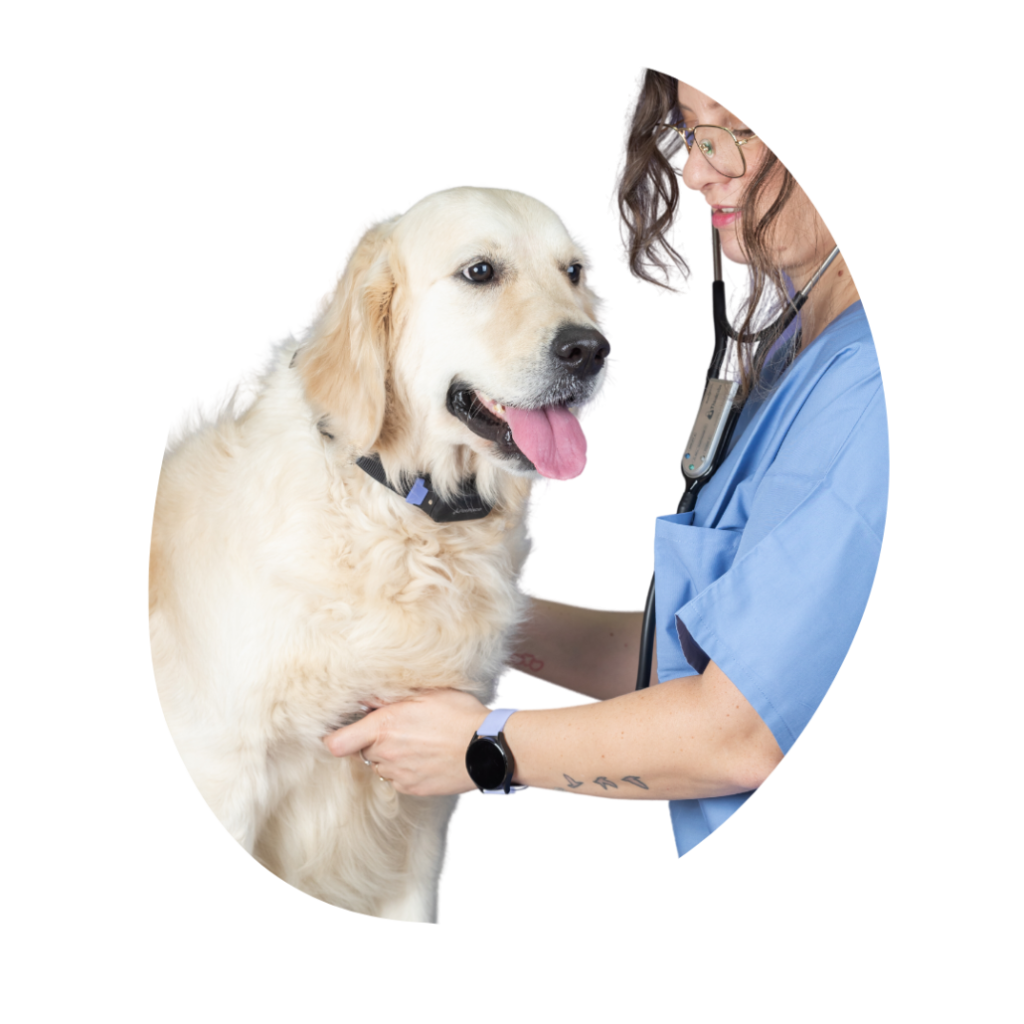
In fact, the Association for Pet Obesity Prevention estimates that over half of U.S. dogs and cats are classified as overweight or obese, leading to serious conditions like diabetes, arthritis, and heart disease. Understanding the implications of maintaining a healthy weight is vital, and veterinarians play a critical role in educating pet owners about proper nutrition and exercise.
Ultimately, understanding the importance of regular veterinary check-ups not only empowers pet owners but significantly enhances their pets’ longevity and well-being. Whether it’s for preventive measures, vaccinations, dental check-ups, or nutritional guidance, these visits are essential to ensuring a healthy, happy life for our furry friends. Make it a priority to schedule these vital appointments, and give your pet the quality of care they deserve!
DISCOVER MORE: Click here to uncover heartwarming stories
Proactive Health Monitoring: The Key to Longevity
When it comes to maintaining the health of our pets, being proactive is essential. Regular veterinary check-ups serve as a critical component of proactive health monitoring, empowering pet owners to take charge of their furry friends’ well-being. Recognizing the signs of health issues can be challenging, especially since pets often hide discomfort and symptoms until they become severe. By scheduling consistent veterinary appointments, pet owners can increase their awareness about potential health risks and receive guidance from qualified professionals.
Comprehensive Health Assessments: Understanding Your Pet’s Needs
During a routine veterinary check-up, veterinarians conduct comprehensive health assessments aimed at identifying any concerns that may threaten your pet’s quality of life. These evaluations usually include:
- Physical Examination: Veterinarians check your pet’s body condition, coat quality, eyes, ears, and heart rate, providing valuable insights into their overall health.
- Diagnostic Testing: Blood work, urine tests, and other diagnostic methods help uncover hidden medical issues that may not be immediately apparent.
- Behavioral Observations: Changes in your pet’s behavior can indicate health problems. A thorough check-up allows for discussions about any unusual habits or changes in activity levels.
These comprehensive assessments greatly enhance the likelihood of detecting problems early on, thus increasing the chances of successful treatment. For instance, early detection of heart disease can lead to lifestyle changes and medications that might significantly improve your pet’s life expectancy.
Parasite Prevention: Protecting Against Unseen Threats
In addition to general health assessments, regular veterinary check-ups provide an opportunity for parasite prevention strategies. Pets are frequently at risk of infestations from fleas, ticks, and worms. These parasites can lead to serious health issues, from skin infections to severe internal damage. During check-ups, veterinarians can recommend appropriate preventive measures, including:
- Monthly flea and tick preventatives
- Regular deworming protocols
- Vaccinations designed to protect against diseases transmitted by parasites
By actively engaging in parasite prevention, pet owners not only protect their pets but also contribute to a healthier household. Many of these pests can migrate to human family members, highlighting the importance of keeping both pets and people safe from potential health risks.
Emotional Well-being: Socialization and Stress Reduction
Beyond the physical health benefits, regular visits to the veterinarian can also contribute to your pet’s emotional well-being. Familiarizing pets with veterinary environments eases anxiety during visits, helping them feel more comfortable when undergoing routine check-ups and treatments. The presence of veterinarians and their staff is not just a medical interaction; it also offers a chance for pets to socialize and receive gentle handling from people other than their owners.
Ultimately, understanding and appreciating the plethora of benefits that come from regular veterinary check-ups is pivotal for any responsible pet owner. From proactive health monitoring to emotional care, these appointments forge a deeper bond between owners and pets, enhancing their overall quality of life. Prioritizing these searches for comprehensive health will ensure that our furry companions can enjoy many more years of happiness and vitality.
The Importance of Regular Veterinary Check-ups for Pet Health
Regular veterinary check-ups play a critical role in maintaining the health and well-being of your beloved pets. These visits are not merely a formality; they are essential measures that contribute to early detection, prevention, and the overall enhancement of your pet’s quality of life. By scheduling routine appointments with your veterinarian, you are establishing a strong defense against potential health issues.
During these check-ups, veterinarians perform a comprehensive examination, which includes checking vital signs, dental health, vaccinations, and even weight management. This preventive care is vital because many health problems in pets are asymptomatic in their early stages. Conditions such as heart disease, diabetes, and dental disorders can go unnoticed until they reach a more serious level.
Moreover, regular visits allow your veterinarian to create a baseline for your pet’s health, making it easier to identify changes over time. Furthermore, these consultations provide pet owners valuable opportunities to discuss any behavioral changes, dietary concerns, and lifestyle adjustments that may be beneficial for their pets. Effective communication with your veterinary team fosters a deeper understanding of your pet’s unique health needs.
In addition, several vaccinations are administered during these routine visits, which help protect against a variety of diseases that could potentially pose serious threats to your pet’s well-being. Staying up-to-date on vaccines significantly reduces the risks of contagious illnesses and ensures your furry companion remains healthy and vibrant.
| Category | Benefits |
|---|---|
| Routine Health Monitoring | Helps in early detection of diseases. |
| Vaccination Updates | Protects against life-threatening diseases. |
Finally, remember that the relationship with your veterinarian is an integral aspect of your pet’s health journey. Frequent check-ups enhance trust and communication, ensuring that both owners and pets are engaged in a proactive approach toward health management. The insights gained during these sessions can shape better dietary choices, exercise routines, and overall lifestyle improvements.
In summary, investing time and effort into regular veterinary check-ups is essential in building a healthier future for your pets. Stay informed and prioritize these critical appointments, as your pet deserves nothing less than optimal health and happiness.
DON’T MISS: Click here for essential tips on keeping your pet healthy
Vaccinations: Safeguarding Against Common Diseases
A crucial aspect of regular veterinary check-ups is ensuring that pets stay up-to-date with their vaccinations. Vaccines are a preventative measure designed to protect animals from a variety of infectious diseases that could potentially be life-threatening. Common vaccinations include those for rabies, distemper, parvovirus, and kennel cough, each guarded against illnesses that affect a significant number of pets every year.
For instance, according to the American Veterinary Medical Association (AVMA), canine parvovirus can survive in the environment for months and cause severe gastrointestinal illness, disproportionately affecting unvaccinated or young dogs. Vaccinating pets not only protects the individual animal but also contributes to herd immunity within the pet community, thereby curbing the spread of diseases.
Veterinarians generally follow recommended vaccination schedules based on a pet’s age, health status, and lifestyle factors. During check-ups, they can reassess these needs and suggest appropriate boosters or additional vaccines for those with lifestyle risks, such as frequent interaction with other pets or travel.
Dental Health: A Hidden Component of Overall Wellness
Many pet owners overlook dental health, yet it plays a pivotal role in a pet’s overall well-being. Regular veterinary check-ups often include dental assessments, which can reveal signs of periodontal disease, tooth decay, or other oral health issues that may go unnoticed. According to the American Veterinary Dental College (AVDC), an estimated 80% of dogs and 70% of cats show signs of oral disease by age three, making early intervention crucial.
During a check-up, veterinarians can offer professional dental cleanings, recommend home dental care routines, and discuss appropriate diet options that promote better oral health. Neglecting dental health can lead to more severe health problems, including infections that can impact vital organs like the heart and kidneys, thus emphasizing the need for routine dental evaluations.
Nutrition Guidance: Tailored Diet for Optimal Health
Another essential aspect of the veterinary check-up is nutrition counseling. Just like humans, pets require a balanced diet that caters to their specific needs based on age, breed, size, and activity level. Veterinarians can provide insights into the best feeding practices, appropriate food selections, and portion control tailored to your pet’s unique requirements.
With the overabundance of pet food options on the market, many pet owners find it challenging to navigate the labyrinth of choices available at pet stores, often resulting in dietary imbalances. Regular veterinary visits enable discussions about potential food allergies, weight management programs, and the suitability of commercial versus raw diets, allowing pet owners to provide optimal nutrition.
Senior Pets: Specialized Care for Extended Lives
As pets age, their health needs become increasingly complex, mirroring the needs of senior citizens. Regular veterinary check-ups become even more critical for older animals, who may be susceptible to chronic conditions such as arthritis, diabetes, or kidney disease. Specialized care programs can include routine screenings, tailored treatment plans, and specific lifestyle recommendations that improve quality of life for senior pets.
Veterinarians can help pet owners recognize the signs of aging and provide suitable interventions to mitigate pain and discomfort. Moreover, early detection of age-related issues can result in treatment protocols that keep older pets feeling young and active, enhancing their overall vitality.
DISCOVER MORE: Click here to learn about the history of our bond with animals
Conclusion: The Cornerstone of Pet Wellness
In summary, regular veterinary check-ups are an indispensable aspect of maintaining optimal pet health. From essential vaccinations that guard against life-threatening diseases to thorough dental evaluations that can prevent severe health issues, these routine visits play a multifaceted role in the well-being of our furry companions. Moreover, nutrition counseling ensures that pets receive the tailored diet necessary for their specific needs, while specialized care for senior pets can significantly enhance their quality of life.
The proactive approach of scheduling regular check-ups not only fosters a robust and healthy lifestyle for pets but also empowers pet owners with critical knowledge about their animal’s unique health requirements. With conditions such as arthritis or diabetes increasingly common among older pets, early detection through systematic evaluations is paramount for effective treatment, prolonging healthy lives.
Ultimately, ensuring that our pets receive regular veterinary care is more than just a preventative measure; it is a commitment to enriching their lives and enhancing the bond shared between owner and pet. As the American Veterinary Medical Association reminds us, when we prioritize our pets’ health through routine check-ups, we contribute to lasting happiness and well-being for our beloved companions. So, don’t let time slip away—schedule that next vet visit and take a significant step towards safeguarding your pet’s health today.