How Social Media Platforms Are Shaping the Future of Entertainment and Pop Culture in the USA
The Impact of Social Media on Entertainment
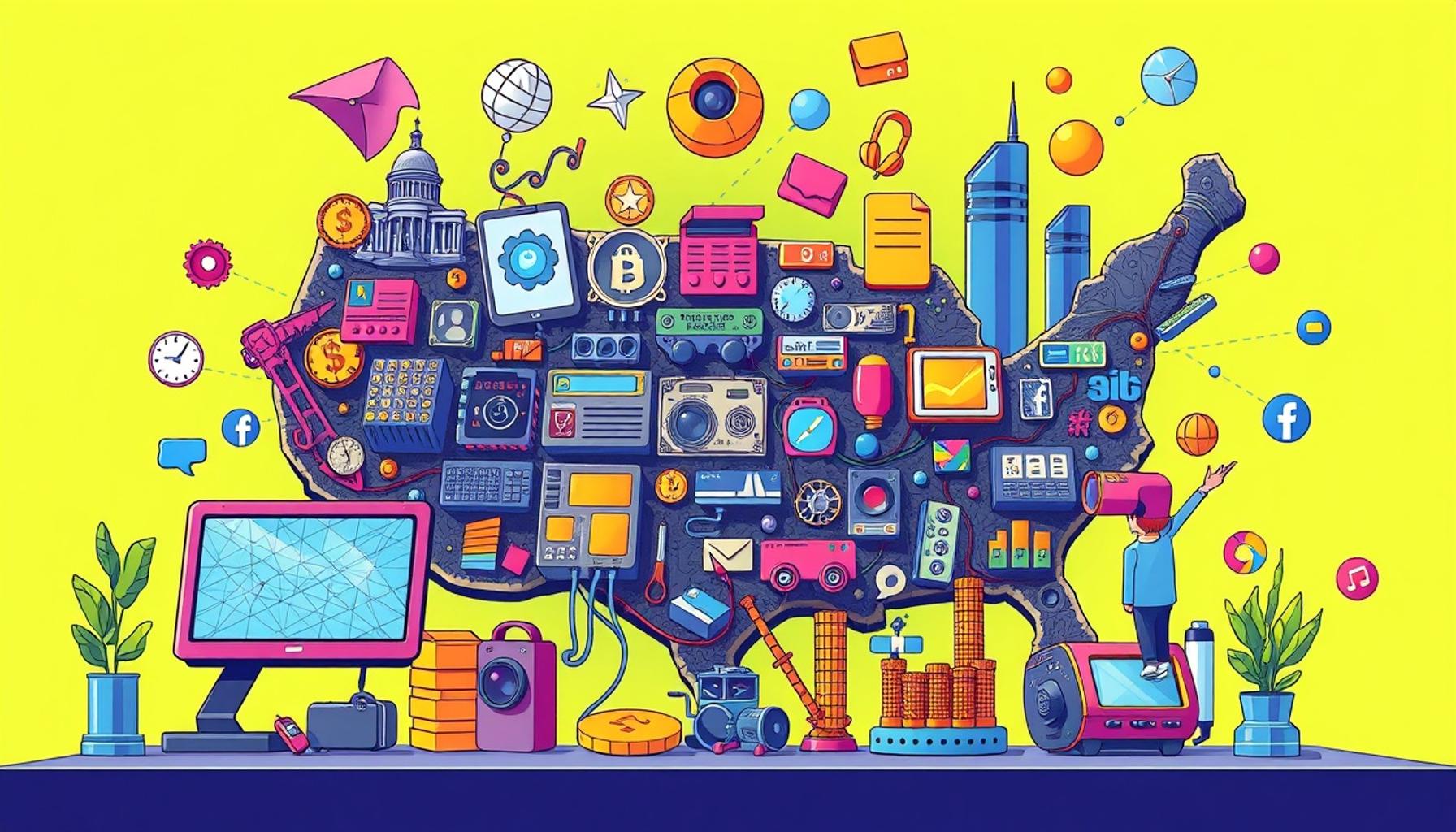
The emergence and rise of social media platforms have catalyzed significant changes in how entertainment is produced, consumed, and shared across the United States. These platforms are redefining the connection between creators and audiences, enhancing engagement and transforming the landscape of pop culture.
One of the most profound changes is in content creation. In the past, becoming an entertainer often required an agent, a record deal, or extensive industry connections. Today, anyone with a smartphone can create and share their own videos, music, and art. For example, platforms like TikTok have propelled everyday individuals to stardom; users such as Charli D’Amelio gained millions of followers and significant brand partnerships simply by sharing dance videos. In this new paradigm, creativity knows no bounds, and the potential for virality is greater than ever.
Moreover, real-time engagement has revolutionized how fans interact with celebrities. Before social media, the only way to connect with their favorite stars was through fan mail, television interviews, or occasional public appearances. Now, platforms like Twitter and Instagram allow fans to comment on posts, ask questions, and receive immediate responses. This form of interaction fosters a sense of community and closeness that many audiences crave. For instance, from live Q&A sessions to behind-the-scenes glimpses, fans get to see the more human side of their idols, making them feel more relatable and accessible.
In addition to these changes, the ability of social media to drive trends and virality is unparalleled. Memes, challenges, and viral dances can spread like wildfire, influencing not only entertainment but also fashion, language, and lifestyle. TikTok challenges, like the “Savage” dance, have influenced music charts and propelled songs into the mainstream, demonstrating how a simple trend can have far-reaching effects on culture. This rapid dissemination of content often leads to a cultural landscape that shifts overnight, evidencing the power and speed of social media influence.
As a consequence of these shifts, traditional media outlets are adapting to this new norm. News organizations, television networks, and film studios are prioritizing spontaneous, authentic moments over carefully curated content in an effort to appeal to modern audiences. They recognize that today’s viewers, especially younger generations, prefer relatable and genuine engagement from their favorite personalities rather than polished performances devoid of connection.
Understanding these dynamic changes is crucial as we navigate the complex terrain of modern entertainment and pop culture. With the continual evolution of social media platforms and technologies, their influence on cultural narratives will only increase, reshaping both the industry and the way we engage with entertainment as a society. As both consumers and creators adapt, the future of pop culture will be driven by the relentless innovation born from this exciting digital frontier.
DISCOVER MORE: Click here to find out how to apply
The New Age of Content Creation
At the forefront of the changes wrought by social media platforms is the democratization of content creation. In the past, aspiring artists and entertainers faced numerous barriers to entry in the competitive entertainment industry. Traditional pathways often revolved around significant investments, gatekeepers like talent agents, or the backing of established companies. Nowadays, however, these barriers have largely diminished. With just a smartphone and an internet connection, anyone can become a creator. This shift has empowered not only talented individuals but also ordinary people with unique stories or skills to share.
Take YouTube, for example. It has evolved from a platform for sharing simple home videos to a launchpad for careers in entertainment. Content creators such as Lilly Singh and Joe Sugg began their journeys by posting personal videos and have since transitioned into prominent figures in television and film. Their success stories illustrate how social media can function as a catalyst for self-made stardom, allowing diverse voices to gain traction and reach audiences worldwide.
The Role of Micro-Influencers
In this new landscape, a growing movement of micro-influencers has emerged. Unlike traditional influencers with millions of followers, these individuals often have smaller followings, but they tend to foster stronger connections with their audience. Micro-influencers usually specialize in niche markets, creating more targeted and relatable content. This can range from fashion and beauty to gaming and cooking, allowing various subcultures within the entertainment space to thrive. Their authenticity is appealing; followers feel a connection that larger influencers may not always provide.
- Authentic Content: Micro-influencers often share personal anecdotes, tips, and struggles, fostering a sense of trust with their audience.
- Targeted Engagement: With a specific focus, they can engage deeply with a particular demographic, making their influence powerful in specialized communities.
- Lower Barriers for Brands: Brands are increasingly collaborating with micro-influencers, recognizing that their engagement rates can surpass those of traditional celebrity endorsements.
Furthermore, platforms like Instagram and TikTok encourage creativity through tools that allow creators to easily edit and distribute their videos. Features such as filters, effects, and music integration inspire innovation, making it possible for even the most novice users to create content that rivals professional quality. This shift towards accessible creativity helps fuel a culture of collaboration and experimentation, with users often remixing popular trends or styles to produce something distinctly their own.
The impact of this newfound ease of creation cannot be overstated. Social media platforms have flicked the switch on a creative revolution, where sharing one’s art doesn’t require a formal invitation or grand investment. As we continue exploring the role of social media in shaping entertainment, it’s essential to recognize its profound implications for artists, audiences, and the industry itself.
DISCOVER MORE: Click here to maximize your travel benefits
Engagement Through Community Building
Another crucial aspect of social media’s influence on entertainment and pop culture is its capacity for community building. Social media platforms facilitate connections among users, allowing them to rally around shared interests, fandoms, or movements. These online communities extend beyond mere passive consumption of content; instead, they actively shape discussions, trends, and even the very creation of content itself.
For example, shows like “Stranger Things” or “The Mandalorian” have cultivated dedicated fan communities that interact on platforms like Reddit and Twitter, creating a rich tapestry of theories, fan art, and memes. Fans not only consume these shows but also contribute to the narrative through fan fiction or by creating visual interpretations. This interactive element has blurred the lines between creators and consumers, transforming the audience into co-creators of popular culture.
The Impact of User-Generated Content
User-generated content (UGC) also plays a significant role in amplifying voices and ideas within the entertainment industry. It provides a platform for fans to express their creativity and passion for certain franchises or artists. Viral challenges, such as the “Ice Bucket Challenge” or TikTok dances, are prime examples of how UGC can not only entertain but also raise awareness for social causes. In this way, entertainment is increasingly driven by its audience, creating a feedback loop that can influence mainstream media.
- Cultural Trends: UGC often sparks new trends that traditional media cannot ignore. For instance, the “Renegade” dance went from a TikTok sensation to a mainstream phenomenon, prompting television shows to feature it in their programming.
- Industry Adaptation: Recognizing the power of UGC, major studios and networks now actively seek to harness the creativity of their fans. Crowdsourcing ideas or incorporating fan feedback can allow the industry to remain relevant and innovative.
- Expanding Platforms: The rise of live-streaming services and gaming platforms enables creators to engage directly with their audience. Services like Twitch exemplify how live interaction fosters community, transforming viewers into active participants who shape the content in real-time.
Additionally, social media campaigns can create a substantial impact on a project’s success. In the age of trailers dropping on platforms like YouTube or teaser posts flooding Instagram, the immediate feedback from audiences can inform promotional tactics, reshaping the way studios navigate market strategies. The success of films like “Black Panther” and “Spider-Man: No Way Home,” which effectively utilized social media to build excitement and community engagement, underlines the importance of an active online presence.
Moreover, social media equips artists and creators with powerful tools to explore their audiences’ preferences. By analyzing engagement metrics, they can discern trends, understand viewer sentiment, and adapt their content accordingly. This data-driven approach not only enhances the quality of entertainment provided but also narrows down what is genuinely resonating with audiences.
In summary, as entertainment and culture evolve in response to social media dynamics, the platforms resemble bustling marketplaces of ideas and creativity. Whether through community engagement, user-generated content, or actionable feedback, social media plays a transformative role in shaping the future of entertainment in the USA.
DISCOVER MORE: Click here to learn about debt refinancing options
Conclusion
In conclusion, social media platforms are undeniably transforming the landscape of entertainment and pop culture in the USA. By fostering community engagement and enabling user-generated content, these platforms have empowered audiences to become active participants in shaping narratives and trends. The dynamics of traditional media are evolving as creators increasingly rely on real-time feedback and insights gained through social media interactions, allowing for a more refined approach to storytelling that resonates with diverse audiences.
The emergence of viral challenges and trends exemplifies how social media can amplify cultural phenomena, impacting not just digital spaces but also mainstream entertainment. Major studios and creators now recognize the importance of integrating fan interactions into their strategies, as seen through successful promotional campaigns for blockbuster films and hit shows. Furthermore, as technology advances, platforms like Twitch and TikTok continue to redefine how audiences connect with content in vibrant, interactive ways.
Looking ahead, it is clear that the relationship between social media and entertainment will only deepen. The adaptability of both creators and audiences will be crucial to navigating this continually shifting digital realm. Whether cultivating niche fandoms or shaping global phenomena, social media has become an indispensable tool, largely responsible for molding the entertainment landscape we will enjoy in the future. As we embrace this new era, we should remain mindful of how our engagement shapes cultural narratives and consider the profound impact of our collective voices in a space that thrives on creativity, connection, and community.

Linda Carter
Linda Carter is a writer and expert known for producing clear, engaging, and easy-to-understand content. With solid experience guiding people in achieving their goals, she shares valuable insights and practical guidance. Her mission is to support readers in making informed choices and achieving significant progress.