Demystifying Cat Training: Effective Methods to Teach Desired Behaviors
Unlocking the Secrets of Cat Training
Many cat owners believe that training a feline companion is an impossible feat. Contrary to this belief, effective methods exist that can help you teach your cat desired behaviors. Understanding these techniques can transform your relationship with your cat and enhance their overall well-being. The journey of training is not just about commands but also about communication and mutual understanding.
- Positive Reinforcement: This method involves rewarding desirable behavior with treats, praise, or playtime. For example, if your cat uses the scratching post instead of the sofa, offering a treat or engaging them with a toy can reinforce that behavior. It’s crucial to provide rewards immediately after the desired action to create a clear association.
- Clicker Training: A clicker is a small handheld device that produces a distinct sound when pressed. This sound serves as an immediate marker for good behavior. For instance, if your cat jumps through a hoop, a quick click followed by a treat teaches them that this action is desirable. This precise timing helps your cat understand expectations effectively.
- Target Training: This technique involves teaching your cat to touch a specific object, like a stick or your finger, with their nose or paw. By guiding them to perform actions towards that target, owners can lead their cats to complete various tasks. For example, you can train your cat to come to you by holding out a target, making it easier to get their attention during playtime or feeding.
Many owners often feel overwhelmed by misconceptions surrounding feline training. They might think that cats are too independent or stubborn to be trained. In reality, a cat’s training journey can be both rewarding and enlightening when approached correctly. Each cat has a unique learning style; some may respond well to verbal cues while others might prefer visual signals or physical interactions.
Delving into the world of cat training can present surprising insights about your pet’s behavior. Understanding feline body language, such as tail position or ear movements, can help in recognizing when your cat is receptive to training or when they need a break. Building consistent training sessions into your daily routine can greatly enhance your cat’s comfort level, making them more eager to engage.
Join us as we explore various training methods and the science behind them. By equipping yourself with the right strategies, you will find that the possibilities for what your cat can learn are almost limitless. From simple tricks to more complex behaviors, you might be amazed at the connection you can create through effective training. Fostering a positive learning environment can significantly boost your cat’s confidence and happiness, leading to a more harmonious household.
DISCOVER MORE: Click here to learn about inspiring transformations
Understanding the Foundations of Cat Training
Training your cat is more than just teaching them tricks; it is about building a connection and establishing a communication system tailored to your feline friend. Cats, unlike dogs, often require a different approach, as they tend to exhibit a more independent and sometimes aloof nature. This doesn’t mean that they are incapable of learning; on the contrary, with the right methods, you can successfully instill desired behaviors in your cat.
A crucial aspect of cat training is recognizing that incentives play a significant role. Cats are naturally curious creatures, and by understanding their motivations, you can create a more engaging training environment. Common incentives for cats include:
- Food Rewards: Many cats are highly food-motivated. Selecting small, high-value treats can encourage your cat to participate enthusiastically in training sessions.
- Playtime: Many feline companions respond well to interactive play. Using a favorite toy as a reward can make the training experience enjoyable and stimulating.
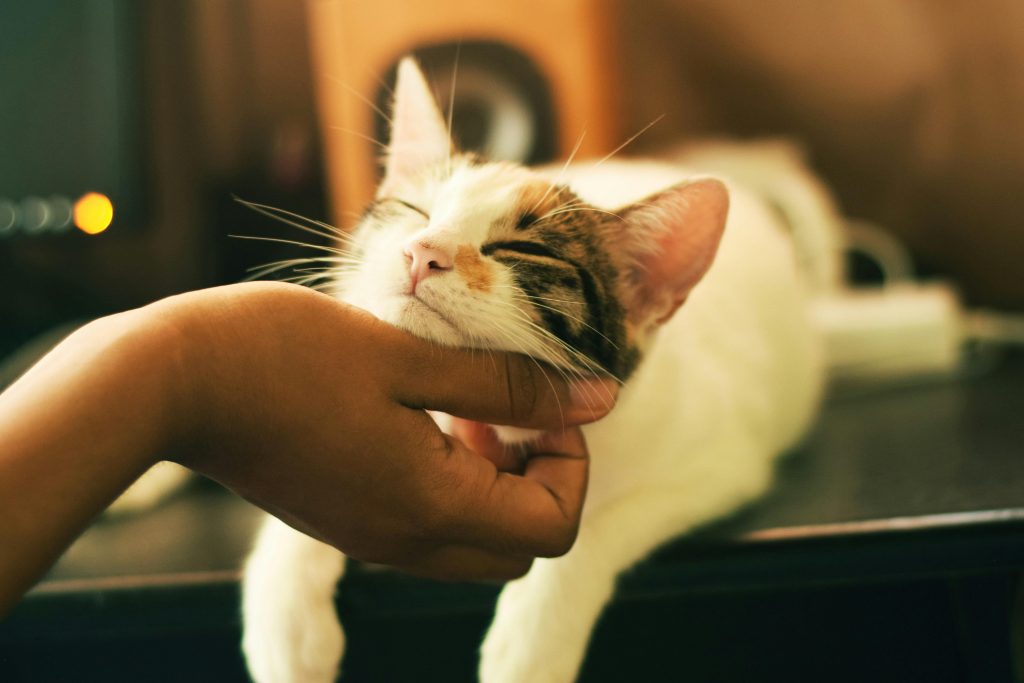
- Affection and Praise: Cats often appreciate affection. Short bursts of petting or positive verbal reinforcement can encourage repeated behavior.
In addition to rewards, it’s imperative to create a trusting environment during training. Some owners may notice their cats becoming anxious or distracted. This is where patience and observation come into play. Learning your cat’s body language can offer significant insights into their comfort levels. For instance, if your cat flattens their ears or hides, it might signal that they need a break from training sessions or that the approach needs to be adjusted.
Another obstacle many cat owners face is the common belief that cats cannot take commands. However, cats are capable of associating actions with cues, similar to dogs. The key to success lies in consistency and repetition. Mapping out a training schedule can help reinforce this; short sessions of 5–10 minutes are typically more effective than extended marathons, keeping your cat engaged and reducing frustration.
Cat training isn’t just about correcting unwanted behaviors; it can also enhance their overall well-being and mental stimulation. Environmental enrichment is another component of training that shouldn’t be overlooked. Incorporating puzzle toys or interactive feeders can keep your cat mentally agile, further bolstering their ability to learn. This type of engagement can reduce boredom and destructive behaviors resulting from a lack of stimulation.
As you embark on this training journey, remember that each cat is unique, and what works for one may not work for another. Tailoring your approach to individual preferences and personalities will prove beneficial in the long run. By demystifying cat training through these effective methods, you’re opening the door to a deeper and more rewarding relationship with your furry companion.
When diving into the depths of cat training, understanding the various methods is essential in promoting positive behaviors in your feline friends. Whether it’s teaching them to use the litter box effectively or discouraging unwanted scratching on your furniture, the journey of cat training does not have to be daunting. By demystifying different approaches, you can gain valuable insight into what works best for your unique cat.
One effective method employed by many cat trainers is positive reinforcement. This technique focuses on rewarding desired behaviors rather than punishing undesirable ones. For instance, when your cat successfully uses the scratching post instead of your couch, providing a treat or affectionate praise helps reinforce that behavior, leading to a happier and well-adjusted cat.
Another effective approach is the use of clicker training. This method involves using a handheld clicker device to mark correct behavior immediately. By associating the sound with a reward, your cat begins to understand what is expected of them. This method is particularly useful in teaching complex tricks or commands since it allows for precise communication between you and your pet.
Additionally, incorporating environmental enrichment can play a pivotal role in your cat’s training. Cats are naturally curious creatures that thrive on stimulation. Providing scratching posts, climbing trees, and interactive toys can keep your cat engaged, reducing the likelihood of behavioral issues and making training sessions more effective.
The key to successful cat training is consistency. Establishing a routine helps your feline friend understand what to expect, thereby fostering a sense of security and comfort. In the following sections, we will delve deeper into specific behaviors that can be fostered, tools and resources available for cat training, and expert tips for making the process enjoyable for both you and your pet.
| Training Method | Description & Benefits |
|---|---|
| Positive Reinforcement | Rewards desired behavior; fosters trust and reduces anxiety. |
| Clicker Training | Immediate feedback; builds communication and understanding. |
| Environmental Enrichment | Stimulates curiosity; reduces behavioral issues and increases engagement. |
As you can see, the paths to achieving desired behaviors in cats are varied and tailored to meet their unique personalities. Implementing these strategies will not only aid in training but also strengthen the bond between you and your feline companion.
DON’T MISS: Click here for invaluable insights
Exploring Advanced Techniques for Cat Behavior Modification
Once you have established the foundational elements of cat training, it opens the door to explore more advanced techniques that can lead to significant behavior modification. One method that continues to gain traction amongst cat owners and trainers alike is known as clicker training. This technique is based on the principle of positive reinforcement, which involves using a clicker to mark the exact moment a cat performs a desired behavior, followed by a reward. The sound of the clicker serves as a promise of the treat or praise to come, helping your cat understand what actions are being reinforced.
To implement clicker training, begin by allowing your cat to explore the clicker’s sound. Gradually associate the click with the reward by clicking and immediately giving a treat. Once your cat has made this connection, you can start to introduce specific commands or tricks, such as “sit” or “high five.” Consistency remains key; be sure to use the same cues and rewards to prevent confusion. This method is not only effective but also fosters an interactive experience that many cats find enjoyable.
Another advanced technique revolves around target training. This involves teaching your cat to touch or follow a specific object, such as a stick or your hand, with their nose or paw. Using a clicker, you can encourage your cat to touch the target, rewarding them when they successfully do so. Once your cat understands the task, you can start to expand this to more complex behaviors, like jumping through a hoop or targeting a specific spot in the room. There are numerous resources online showcasing how to implement target training effectively, often demonstrating the profound effects it can have on a cat’s overall responsiveness.
Understanding the importance of environmental management is another essential element in behavior modification. Creating a conducive environment can help mitigate unwanted behaviors. For instance, if your cat tends to scratch furniture, providing a designated scratching post nearby, while also using pheromone sprays or diffusers, can redirect their scratching behavior. Research suggests that scent-based strategies can significantly reduce negative behaviors by providing comfort and familiarity to your cat’s environment.
Usually, teaching tricks and modifying behaviors can reduce anxiety levels in cats, as they thrive on routine and predictability. Incorporating training into your cat’s schedule can bring structure to their day, offering mental and physical stimulation. Moreover, research shows that animals that engage in regular training sessions are often more confident and less stressed. This confidence can translate into other areas of their lives, making them more social and easier to manage in various situations.
For those dealing with more serious behavioral issues, such as litter box aversion or aggression, consulting with a professional animal behaviorist can be invaluable. These experts utilize various techniques and principles grounded in animal psychology to address specific behavioral concerns. Their guidance can provide tailored strategies that align with the unique needs of your cat, leading to more effective results.
In sum, cat training is a multi-faceted experience that involves a combination of foundational techniques and advanced methods tailored to the needs of your feline companion. Understanding the underlying principles of behavior, utilizing innovative training techniques, and managing your cat’s environment equip you with the right tools to foster harmonious living and strengthen your bond with your pet.
DISCOVER MORE: Click here to uncover the history of our bond with animals
Conclusion: Embracing the Art of Cat Training
In the realm of pet ownership, demystifying cat training is vital for nurturing a fulfilling relationship with your feline companion. As we’ve explored, employing a range of techniques—spanning from basic consistency to advanced tools like clicker training and target training—can transform your cat into a more engaged and well-behaved pet. Understanding that cats are not just independent creatures but also animals that thrive on routine and reward is crucial in guiding their behavioral development.
Environmental management plays an equally significant role in shaping desirable behaviors. By proactively addressing potential problem areas, such as providing suitable scratching posts and stimulating environments, you can mitigate unwanted behaviors before they become ingrained. Remember, a well-structured training regimen not only fosters confidence and reduces anxiety in your cat, but it also heightens their overall well-being and sociability.
As you delve deeper into the world of cat training, consider penning down your journey, taking note of what works and what doesn’t. This reflection will not only enhance your skills but also serve as a valuable resource in understanding your cat’s unique personality. Consult with professionals if serious issues arise, as tailored expertise can illuminate pathways to effective behavior modification.
Ultimately, the beauty of cat training lies in its ability to bring joy, interaction, and a deeper connection. Armed with patience and perseverance, you will uncover the remarkable capacity for learning that exists within your cat. So embark on this rewarding journey, and watch your bond with your feline friend flourish.

Linda Carter
Linda Carter is a writer and pet care expert specializing in pet health, grooming, and wellness. With extensive experience helping pet owners create safe, loving, and enriching environments for their animals, Linda shares her knowledge on our platform. Her goal is to empower readers with practical advice and strategies to ensure their pets thrive and lead joyful, healthy lives.