The Use of Interactive Games in Pet Training: Stimulating the Mind and Body
The Power of Play in Pet Training
In today’s pet training landscape, interactive games are emerging as a transformative and innovative method. These engaging games not only serve to bolster behavioral skills but also play a crucial role in delivering mental stimulation and promoting physical activity among pets. By leveraging tools and techniques that make learning enjoyable, pet owners can foster a rich environment where both pets and their guardians thrive.
The inclusion of games into training routines can yield a plethora of benefits. For instance, pets often experience improved focus when training sessions are infused with play. This positive association between learning and fun allows pets to engage more fully, increasing retention and responsiveness. Consequently, an owner can expect to see their pet not only learning commands more effectively but also exhibiting greater enthusiasm during the process.
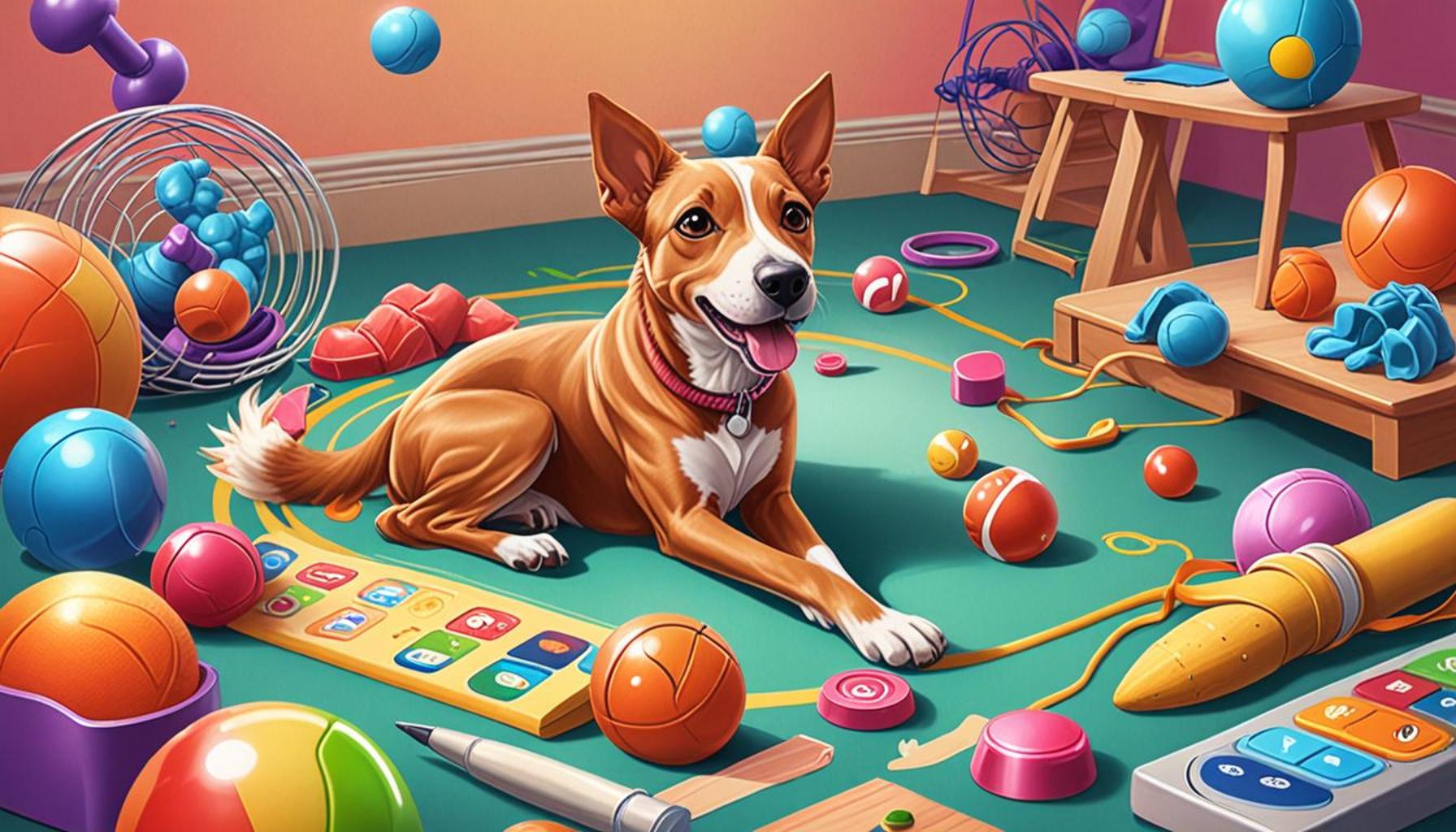
Furthermore, interactive games prompt enhanced problem-solving skills. For example, puzzle feeders can challenge dogs to find hidden treats, compelling them to think critically as they manipulate the toy to unlock their reward. This type of cerebral engagement is vital for intelligent breeds, helping to prevent boredom and the destructive behaviors that often accompany it. Similarly, games that require teamwork between a pet and their owner further develop decision-making abilities while also fostering essential social skills.
An additional advantage is the increased exercise that many of these activities promote. Games such as fetch, hide-and-seek, or agility courses offer ample opportunities for pets to get moving, contributing to their overall physical health. Regular physical activity not only helps pets maintain a healthy weight but also supports mental health through the release of endorphins—a natural mood enhancer.
Beyond skill enhancement and health benefits, interactive play fosters a deeper emotional connection between pets and their owners. Such activities provide invaluable opportunities for shared experiences, which are pivotal in creating a trusting relationship. When reward-based training is woven into the fabric of playtime, it reinforces positive behaviors, making learning not just effective but also enriching.
As the world of pet training advances, it becomes increasingly important to recognize the potential of interactive games in this context. By embracing these engaging tools, pet owners can elevate their training experiences, transforming what was once a basic obedience regimen into a captivating journey filled with learning and adventure. To explore the myriad of options available and see how they can fit into your unique training regimen, consider seeking expert guidance, researching online resources, or simply asking fellow pet enthusiasts about their favorite interactive training games.
DISCOVER MORE: Click here to learn effective training techniques
Enhancing Training with Interactive Games
The landscape of pet training is evolving, and interactive games are at the forefront of this shift, introducing a dynamic way to teach pets essential skills while simultaneously providing mental stimulation and encouraging physical activity. As pet owners begin to recognize the value of these games, the question arises: how can they be effectively integrated into training routines for optimal results?
One of the most noteworthy benefits of using interactive games in pet training is the facilitation of focused attention. Traditional training methods may sometimes lead to disinterest, but when training is intertwined with play, pets become more engaged and motivated to learn. For instance, utilizing games like tug-of-war or fetch not only captivates a dog’s attention but also helps develop their listening skills as they learn to respond to commands amid the excitement. Ensuring the game has clear rules and rewards reinforces compliance while maintaining a fun atmosphere.
Moreover, interactive games enhance problem-solving capabilities, fostering critical thinking in pets. Toys designed for this purpose, such as treat-dispensing puzzles or hide-and-seek activities, require pets to navigate challenges creatively. For example, a dog may need to figure out how to maneuver a toy to uncover a hidden treat, which stimulates both their intellect and their natural instincts. This cognitive engagement can be particularly beneficial for breeds known for high intelligence, such as Border Collies and Poodles, who thrive in environments that challenge their minds.
In addition to cognitive development, these games promote physical activity, vital for a pet’s overall health. Regular engagement in physically active games helps combat issues such as obesity and hypertension, both increasingly common in pets across the United States. Here are some interactive games that merge fun with fitness:
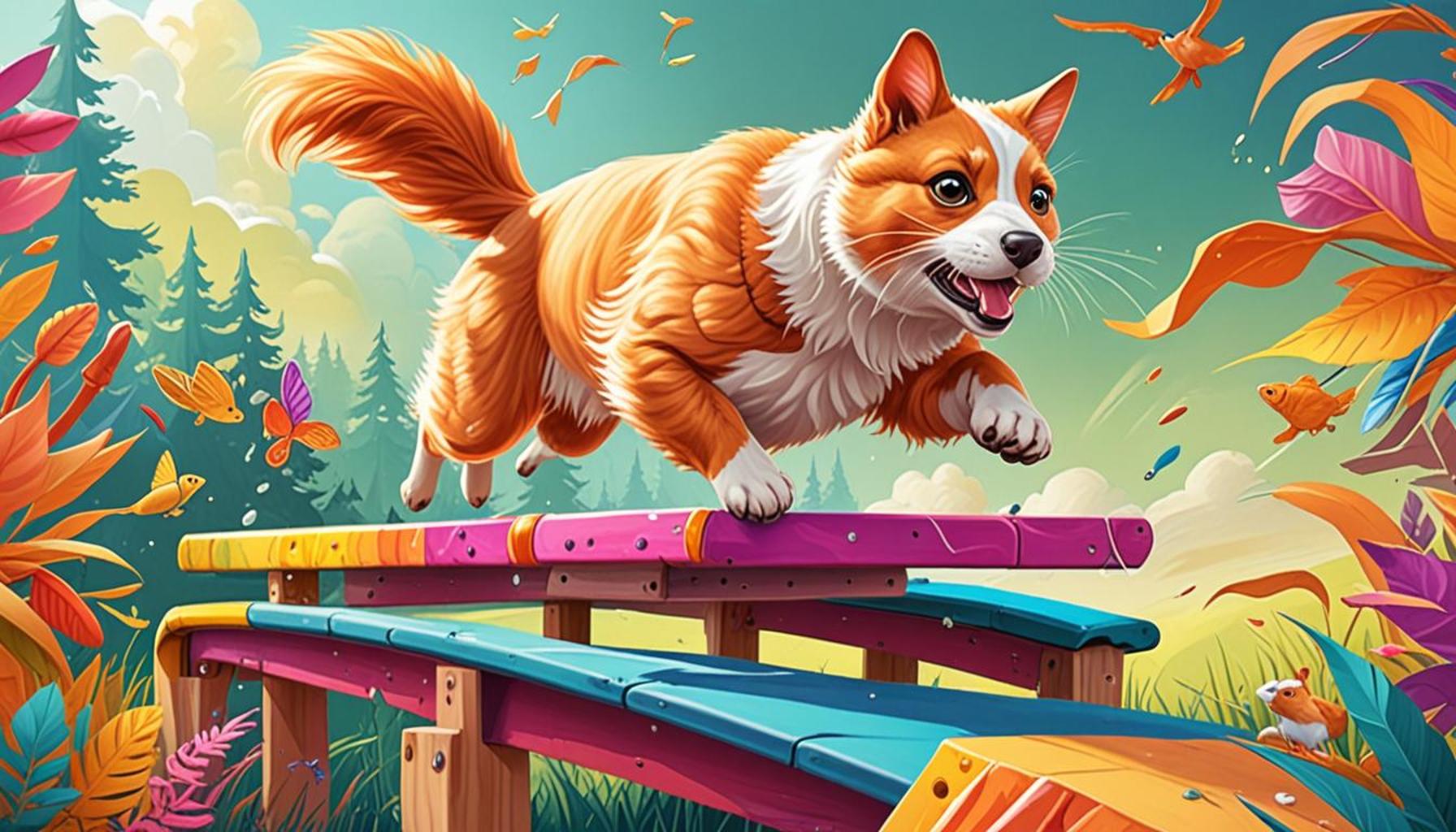
- Agility Courses: Create a mini agility course in your backyard or living room using household items to challenge your pet’s speed and coordination.
- Frisbee: A classic outdoor game that encourages your dog to leap and run, providing ample exercise while honing recall skills.
- Hide-and-Seek: This indoor game not only enhances a pet’s listening abilities but also stimulates their senses as they search for you or a hidden toy.
Interactive games serve not only as a means of training but also as a powerful tool to forge a deeper emotional bond between pets and their owners. Engaging in play helps to create cherished memories and shared experiences, which are essential for building trust and affection. When pets associate their training sessions with joyful interactions, they are more likely to exhibit positive behaviors, reinforcing the bond between them and their humans.
As the appreciation for interactive games in pet training continues to grow, it becomes clear that these activities offer a holistic approach to development. They not only lay the groundwork for learning but also enrich the intricate relationship shared between pets and their companions. By embracing such innovative techniques, pet owners can create a more rewarding and effective training experience, paving the way for a happier, healthier pet.
The Role of Interactive Games in Pet Training
Interactive games play a crucial role in pet training by providing both mental stimulation and physical exercise, essential components for a well-rounded pet. When pets engage in these activities, they not only learn commands and tricks but also engage their natural instincts. Games such as puzzle toys, agility courses, and hide-and-seek enhance their cognitive abilities while fostering a deeper bond with their owners.
Using interactive games can transform training into an enjoyable experience, rather than a mundane chore. For example, puzzle toys that require pets to solve challenges for treats promote problem-solving skills and encourage independent thinking. This method serves to keep pets actively engaged, reducing the likelihood of behavioral issues that arise from boredom or pent-up energy.
Moreover, these games can be tailored to cater to the specific temperament and learning pace of individual pets, making them versatile training tools. Incorporating elements of play during training sessions can make the learning process more effective and rewarding for both pets and owners.
Research has shown that pets trained using engaging and interactive methods tend to retain their learning longer. This is particularly important for complex behaviors that require repetition and reinforcement. By continuously challenging their pets with new interactive games, owners can ensure their pets remain mentally agile and physically fit, laying the groundwork for a well-behaved and happy companion.
| Category | Benefits |
|---|---|
| Mental Stimulation | Interactive games challenge pets’ cognitive skills, helping them to think critically and solve problems. |
| Physical Activity | Engaging in physical games helps pets burn off excess energy, contributing to their overall health and well-being. |
By understanding the importance of interactive play in the training process, pet owners can create a learning environment that is both productive and enjoyable. Exploring new game ideas and methods can turn training into a fun bonding experience, positively impacting the pet-owner relationship.
LEARN MORE: Click here to discover the vital role nutrition plays in your pet’s health
Fostering Social Skills Through Play
Another significant aspect of interactive games is their ability to encourage socialization among pets. The introduction of games that involve multiple pets, such as group fetch or relay races, can help pets learn essential social skills that are crucial for their development. By engaging with other animals in a structured yet playful environment, pets can understand cues, body language, and appropriate behavior, which is vital for harmonious interactions with both humans and fellow animals.
For instance, organizing a playdate with other dog owners enhances not just the physical aspects of pet training but also the emotional intelligence of pets. Dogs learn to read other dogs’ attitudes and intentions and are better equipped to navigate social settings, such as dog parks. Studies have shown that well-socialized pets tend to exhibit less anxiety in unfamiliar surroundings, which underscores the importance of play in social development.
In addition to improving social skills, interactive games can also aid in reinforcing training commands in more engaging ways. Consider utilizing a game of “Simon Says” during training sessions to have pets practice commands in a playful setting. This method could include performing simple tricks or responding to cues as an integral part of the game, reinforcing learning through a fun and memorable framework. Engaging pets in this way not only solidifies their understanding of commands but also associates those commands with enjoyable experiences, which is crucial for long-term retention.
Promoting Emotional Well-Being
Beyond physical and cognitive benefits, interactive games play a pivotal role in enhancing a pet’s emotional well-being. Just as humans benefit from recreational activities, pets need outlets for stress relief and emotional expression. Games that involve chasing, digging, or even problem-solving can help reduce anxiety and prevent destructive behaviors often linked with boredom or pent-up energy. In fact, pet behaviorists have noted a significant reduction in issues like excessive barking or chewing when pets are engaged in regular interactive play.
To illustrate, incorporating games with calming elements, such as puzzle toys that reward pets with treats for completing challenges, helps pets learn patience and focus, further aiding their emotional stability. Furthermore, scent games or tracking activities provide a great way to enrich a pet’s daily routine and keep them mentally agile while fulfilling their natural instincts.
Game Ideas for Different Pet Types
When selecting interactive games, it’s essential to tailor the activities to suit your pet’s individual needs and preferences. Here are some suggestions:
- For Dogs: Introduce games like “Find the Treat” where dogs can use their sense of smell to locate hidden treats around the house. This can be both mentally stimulating and rewarding.
- For Cats: Engage them in laser pointer games to encourage them to chase and pounce, which can mimic their natural hunting instincts while providing essential exercise.
- For Small Animals: Use obstacle courses made from tunnels or boxes that encourage exploration and physical activity, allowing pets like rabbits or guinea pigs to thrive.
These interactive games provide a holistic approach that touches upon various aspects of a pet’s life, from health and physical fitness to emotional engagement and social dynamics. By incorporating them into daily routines, pet owners can cultivate an enriched lifestyle for their furry companions, leading to happier, healthier pets who are well-adapted to their environments.
LEARN MORE: Click here for insights on your pet’s nutrition
Conclusion: The Power of Play in Pet Training
Incorporating interactive games in pet training represents a groundbreaking approach that addresses the mental, physical, and emotional needs of our furry companions. By engaging pets in activities that stimulate their cognitive functions and encourage socialization, owners can foster well-rounded and balanced animals. The positive effects are far-reaching— from enhancing obedience to reinforcing training commands in memorable and enjoyable ways.
Moreover, these games do more than just entertain; they serve as essential tools for promoting emotional well-being and reducing stress-related behaviors. With structured play sessions, pets can release pent-up energy and anxiety, leading to a more serene home environment and fewer behavioral issues. As pet owners, investing time in interactive play not only strengthens our bond with our pets but also enriches their lives in remarkable ways.
As we explore different game ideas tailored to various pet types, we discover that there is an abundance of opportunities to keep our pets engaged and happy. Whether it’s through scent games for dogs, laser pointers for cats, or obstacle courses for small animals, each activity offers a unique chance to stimulate their instincts and encourage healthy behaviors.
In conclusion, the use of interactive games in pet training emerges as a vital strategy for nurturing happier, healthier pets. By making play a central component of their lives, we are equipped to create not only more obedient animals but well-adjusted companions that thrive in their environments. Embrace the power of play— and watch your pets flourish!

Linda Carter
Linda Carter is a writer and pet care expert specializing in pet health, grooming, and wellness. With extensive experience helping pet owners create safe, loving, and enriching environments for their animals, Linda shares her knowledge on our platform. Her goal is to empower readers with practical advice and strategies to ensure their pets thrive and lead joyful, healthy lives.