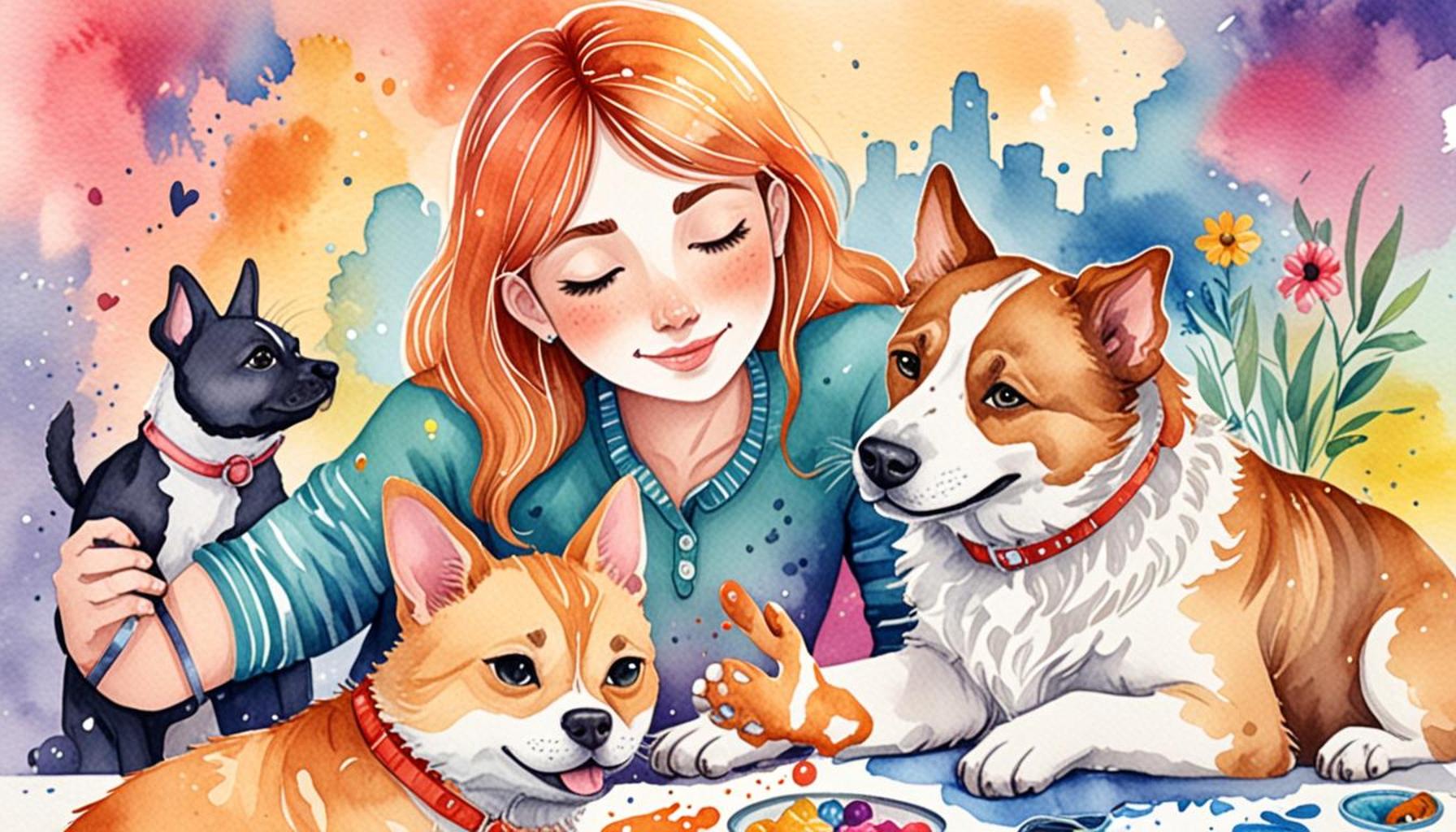
The Importance of Companion Species in the Emotional Education of Children: Lessons in Empathy and Responsibility
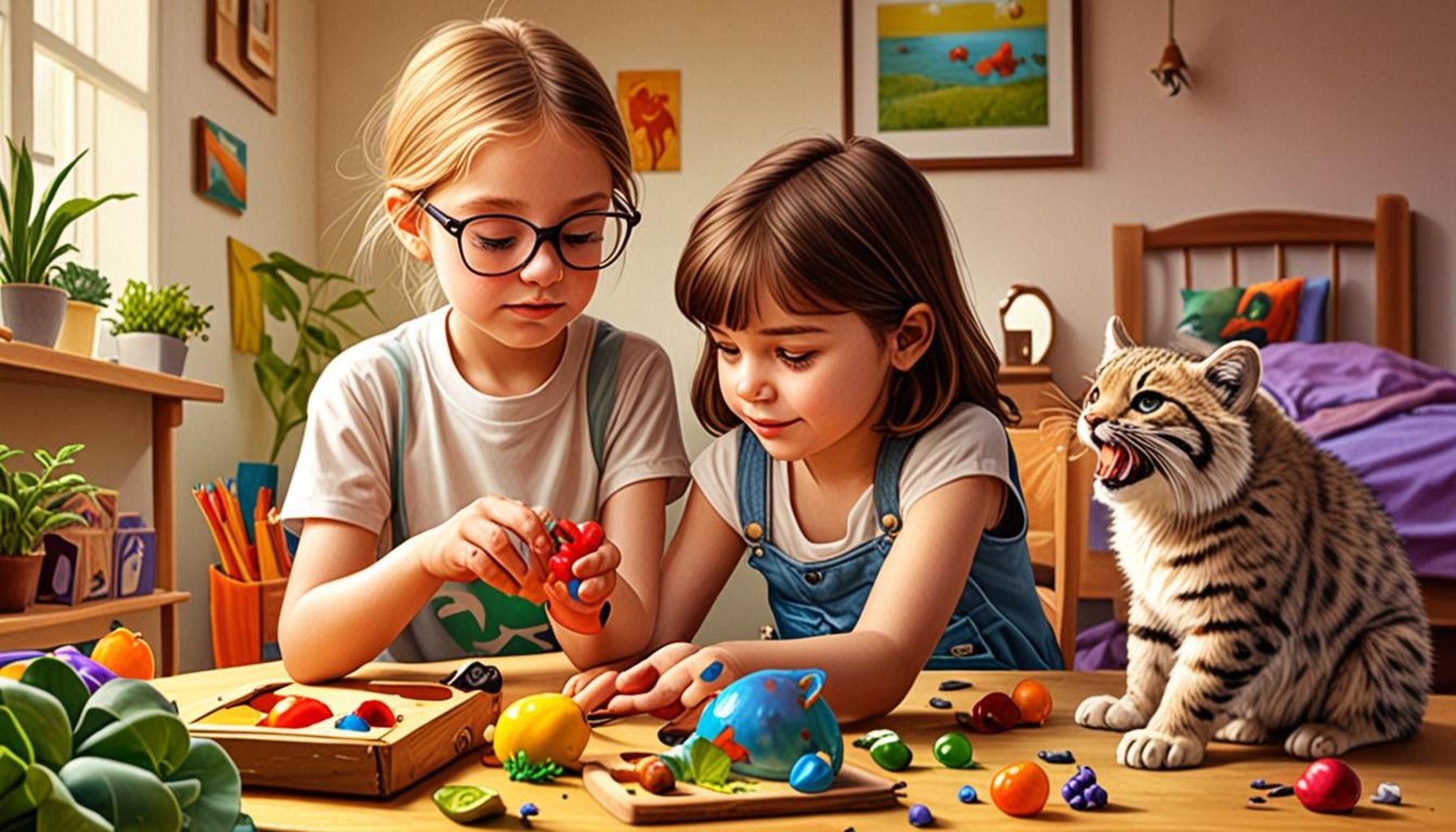
Understanding the Emotional Impact of Companion Species on Children
Companion species, including beloved pets like dogs, cats, and even small animals such as hamsters and rabbits, hold undeniable importance in the emotional development of children. These furry, feathered, or scaled friends not only offer affectionate companionship but also serve as pivotal educators in navigating life’s fundamental lessons, primarily encompassing empathy and responsibility.
When children engage in interactions with animals, they embark on a journey that fosters emotional awareness. For example, when a child feeds a puppy or comforts a scared kitten, they learn to discern and appreciate the feelings of another being. This attention to emotional cues is vital, as it helps shape their ability to connect meaningfully with others. Key lessons include:
- Empathy Development: Caring for a pet nurtures a child’s ability to consider the emotions and needs of another being. For instance, when a child witnesses their pet’s excitement during playtime, they begin to understand the joy of companionship.
- Sense of Responsibility: Participating in the routine care of animals—such as feeding, grooming, and bringing them for walks—instills a profound sense of duty. This accountability can translate into other areas of a child’s life, such as schoolwork or chores.
- Social Skills Enhancement: Kids often practice communication and socializing with pets, which can positively reflect in their interactions with peers. They may express themselves more openly, whether they’re narrating stories or sharing feelings.
The advantages of having companion species extend well beyond affection. Numerous studies indicate that children who grow up with pets often display enhanced emotional wellbeing. For instance:
- Reduced Anxiety: Interactions with animals have been shown to lower children’s anxiety levels. Just petting a dog can release oxytocin, a hormone that promotes bonding and reduces stress.
- Improved Self-Esteem: The bond forged with a pet often fosters a strong sense of support. A child who feels that their pet relies on them may develop greater confidence and self-worth.
- Increased Altruism: Children raised in nurturing environments with animals are more likely to engage in caring behaviors towards others, demonstrating higher levels of compassion and concern.
As we strive to cultivate emotionally intelligent generations, recognizing the invaluable role of companion species becomes increasingly vital. Each interaction with these loyal friends can lay the cornerstone for a more compassionate and understanding world. This understanding is important not only for individual growth but also for fostering a society that values kindness and connection with all living beings.
DIVE DEEPER: Click here to learn more about your pet’s health
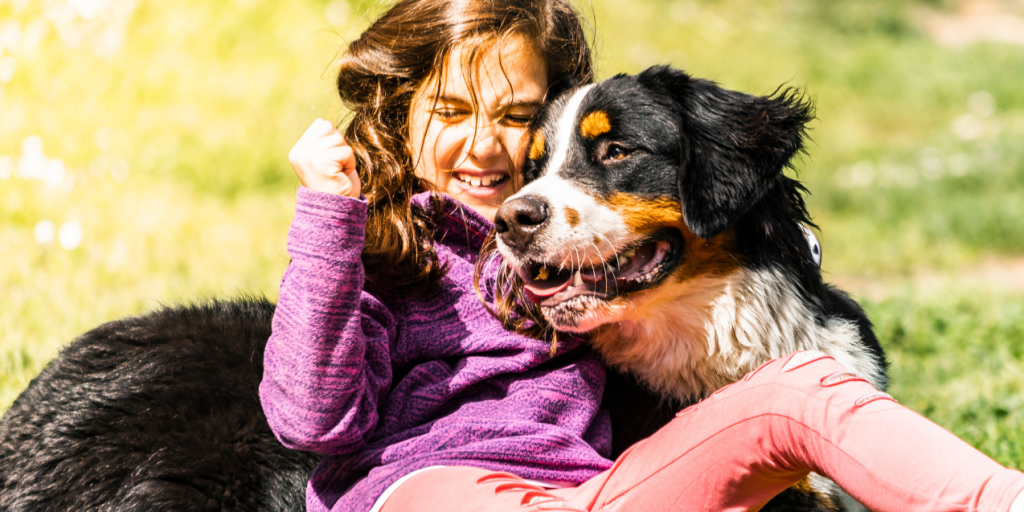
Building Emotional Connections Through Pet Ownership
The presence of companion species in a child’s life creates a unique opportunity for emotional growth and development. As children nurture their animals, they unknowingly engage in complex interactions that teach valuable lessons about life. These experiences help children to cultivate empathy and responsibility, marking significant milestones on their journey to emotional maturity.
Pet ownership can profoundly shape a child’s understanding of the world around them. When a child takes on the responsibility of caring for a pet, experiencing the ups and downs of that bond mirrors the dynamics of human relationships. Children learn that daily routines, such as feeding and grooming, go beyond mere obligations; they serve as expressions of love, commitment, and respect. The act of taking care of an animal not only satisfies its basic needs but also reinforces a child’s understanding of the interconnectedness of life.
Empathy: Learning to Feel for Others
Relationships with animals offer children a practical application of empathy. The subtleties of an animal’s behavior, such as a wagging tail or a gentle purr, encourage children to recognize and respond to the feelings of others. Here are some notable ways pets help promote empathy:
- Non-verbal Communication: Animals express emotions through body language and vocalizations. Understanding these forms of communication sharpens a child’s emotional perception and responsiveness.
- Recognizing Needs: A child learns to identify when a pet is hungry, scared, or excited. This skill translates not only to interactions with animals but also enhances their ability to empathize with classmates and friends.
- Comfort in Grief: Experiencing the loss of a pet teaches kids about sorrow, yet also about the healing power of love and companionship. These lessons help them navigate their own emotions during difficult times.
Responsibility: A Foundation for Future Behavior
The concept of responsibility goes hand-in-hand with the emotional education gained through pet ownership. Involvement in the daily care of a pet gives children a sense of duty and accountability. The act of nurturing another being allows room for personal development and the cultivation of lifelong habits. Key aspects of this responsibility include:
- Daily Routines: Responsibilities like feeding, walking, and exercising pets build consistent habits that can positively enforce a sense of routine in other areas, such as completing homework or household chores.
- Consequences of Actions: A child learns that neglecting their pet’s needs can lead to negative outcomes, driving home the lesson that our choices directly impact those around us.
- Commitment to Care: Establishing a trusting relationship with a pet cultivates awareness that true responsibility requires time, effort, and persistence.
Thus, the relationship between children and their companion species serves as a microcosm of the larger world. Through these intimate connections, children are not only learning how to care for others but also laying the foundation for emotional intelligence that will benefit them throughout their lives. Understanding the symbiotic nature of these relationships is essential in forging empathetic and responsible future generations.
| Advantage | Description |
|---|---|
| Emotional Development | Companion species, such as pets, foster emotional intelligence in children, enabling them to identify and express their feelings. |
| Learning Responsibility | Caring for an animal teaches children about responsibility, nurturing a sense of duty and long-term commitment. |
Companion species, particularly pets, play a crucial role in the emotional education of children. By integrating animals into their lives, children not only learn valuable lessons about empathy but also enhance their emotional intelligence—a skill that is increasingly recognized as essential in today’s society. These interactions allow children to develop a deeper understanding of their feelings and the feelings of those around them. Moreover, the process of pet care teaches children the essence of responsibility. From feeding to grooming, children learn that actions have consequences, fostering a sense of duty that will benefit them throughout their lives. The companionship forged with animals transcends basic interactions, reinforcing the importance of nurturing relationships and commitment. This multi-faceted approach in emotional education is vital as it shapes compassionate individuals who are capable of forming strong interpersonal connections. Exploring these dynamics can lead to profound insights on how we can better support our children’s emotional learning journeys.
DISCOVER MORE: Click here to learn how technology is shaping our bond with pets</
Fostering Social Skills and Emotional Intelligence
The lessons derived from relationships with companion species extend beyond empathy and responsibility; they also profoundly influence children’s social skills and overall emotional intelligence. As children navigate their connections with animals, they develop essential skills that prepare them for successful interactions with their peers, family, and the larger community. Here are several key components of this growth:
Communication Skills: Bridging the Gap
Pet ownership uniquely enhances children’s communication skills. The need to convey commands and express affection towards pets provides a practical platform for practicing verbal and non-verbal communication. Children learn to articulate their feelings and behaviors more clearly while gaining experience in understanding the reactions of their animal companions. The nuances of interacting with pets often enable children to:
- Listen Actively: Observing how pets respond to their words teaches children to pay attention and listen actively, which is crucial in all relationships.
- Express Emotions: Children often project their feelings onto their pets, helping them to articulate and communicate their own emotions effectively.
- Practice Patience and Understanding: Just as children must be patient with pets who may not understand commands immediately, they learn the value of patience in their interactions with people.
Conflict Resolution: Navigating Challenges
Another invaluable lesson of having companion species is learning to navigate conflict. Whether it’s dealing with a rambunctious puppy producing chaos or a more reserved cat that doesn’t want to engage, children encounter challenges that require them to think critically and develop effective resolutions. They learn to:
- Assess Situations: By examining the behavior of their pets, children learn to assess situations to understand what might be causing discomfort or distress.
- Problem-Solve: Finding ways to calm a frightened animal or redirect a pet’s disruptive behavior encourages children to develop problem-solving skills they can apply in everyday life.
- Develop Negotiation Skills: Negotiating pet care tasks can guide children on how to make compromises during social interactions, preparing them to resolve disagreements amicably among peers.
Building Self-Esteem and Confidence
The unconditional love shown by companion animals plays a pivotal role in building a child’s self-esteem and confidence. Knowing that a pet relies on them fosters a sense of worth and belonging. Some aspects of this transformative connection include:
- Achievements in Care: Successfully caring for a pet can greatly boost a child’s confidence, providing a tangible sense of achievement that translates into other areas of their lives.
- Affection and Validation: Pets provide non-judgmental affection, helping children feel valued and accepted, boosting their emotional resilience.
- Independence and Decision-Making: Managing the care of a pet empowers children to make decisions regarding their pet’s well-being, fostering independence that shapes their personality.
In summary, the relationship between children and their beloved companion species serves as a vital tool for developing robust social skills and promoting emotional intelligence. These interactions open the door to meaningful lessons that are relevant not only to their connections with pets but also to their relationships with peers and adults in their lives.
DIVE DEEPER: Click here to learn more
Conclusion: The Lasting Impact of Companion Species on Emotional Education
Incorporating companion species into the lives of children provides an unparalleled foundation for empathy and responsibility, as these animals serve not merely as pets but as teachers of profound life lessons. Through nurturing bonds formed with their furry friends, children cultivate a nuanced understanding of emotional dynamics that similarly apply to human interactions. The social skills, communication techniques, and conflict resolution abilities honed in these relationships are critical not just for childhood but resonate throughout adulthood, shaping compassionate and responsible citizens.
As we navigate an increasingly digital world, the presence of companion species can counterbalance the distancing effects of technology, offering children a tactile, authentic experience that fosters genuine emotional connections. Focusing on the responsibility that comes with pet ownership enables children to experience firsthand the consequences of their actions, instilling a sense of accountability that extends beyond the realm of caring for animals. Moreover, the joy and affection received from a pet’s companionship can significantly enrich a child’s emotional landscape, providing a boost to their self-esteem and overall well-being.
Ultimately, the lessons learned through interactions with companion species are invaluable. They equip children with the emotional intelligence needed to navigate the complexities of human relationships, fostering an environment of understanding, compassion, and respect. By prioritizing the role of companion animals in emotional education, we can nurture a generation that values empathy and responsibility, paving the way for a more compassionate society. As research continues to unveil the depth of these relationships, it is clear that such teachings are not simply beneficial—they are essential for the holistic development of our children.

Linda Carter
Linda Carter is a writer and pet care expert specializing in pet health, grooming, and wellness. With extensive experience helping pet owners create safe, loving, and enriching environments for their animals, Linda shares her knowledge on our platform. Her goal is to empower readers with practical advice and strategies to ensure their pets thrive and lead joyful, healthy lives.