Menu

Companion Animals and Assistive Technologies: Innovations that Improve Quality of Life

The integration of assistive technologies with companion animals is revolutionizing pet care and enhancing the human-animal bond. Innovations like smart collars, robotic pets, and telemedicine options are improving quality of life for both pets and owners, fostering deeper connections and promoting emotional well-being in a rapidly evolving landscape.

Companion Species and Animal-Assisted Therapy: Benefits in Recovery Environments

Animal-assisted therapy leverages the bond between humans and companion species to enhance recovery. This innovative approach supports emotional, social, and physical healing, reducing anxiety and improving motivation among individuals. Integrating therapy animals into therapeutic settings fosters resilience, promotes open dialogue on mental health, and enriches the recovery experience.

The Evolution of the Relationship between Humans and Companion Animals: Emotional and Social Impacts

The bond between humans and companion animals has evolved from practical partnerships to integral emotional and social connections. Today, pets are cherished family members, enhancing well-being, facilitating social interactions, and providing invaluable emotional support, significantly impacting mental health and community dynamics. Understanding this relationship highlights its importance in contemporary society.

The Impact of Companion Species on the Loneliness of the Elderly: Connections and Companionship

Companion species, especially pets, significantly alleviate loneliness in the elderly, enhancing emotional well-being and fostering social connections. Pet ownership promotes routine, physical activity, and community engagement, contributing to improved mental health. As aging populations face isolation, understanding these relationships is crucial for promoting companionship and holistic health.


Four-Legged Companions: The Impact of Companion Species on Reducing Work Stress

Incorporating four-legged companions like dogs into the workplace significantly reduces stress and enhances employee morale. Research highlights their positive impact on emotional well-being, teamwork, and physical activity, making pet-friendly policies essential for fostering healthier, more productive work environments. Embracing companion species can transform workplace dynamics dramatically.

The Role of Companion Species in Mental Health: Benefits and Challenges

Companion species significantly enhance mental health by providing emotional support, reducing loneliness, and encouraging physical activity. However, pet ownership also poses challenges including financial commitments and emotional investments. Understanding these dynamics can empower individuals to benefit from animal companionship while navigating potential obstacles.

The Importance of Companion Species in the Social Inclusion of People with Disabilities

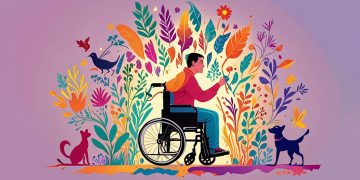
Companion species play a crucial role in the social inclusion of people with disabilities, providing emotional support, enhancing mobility, and fostering social interactions. These animals empower individuals, promoting independence and community engagement while dismantling barriers and cultivating empathy, leading to a more inclusive society.

Study Companions: The Role of Companion Species in Enhancing Academic Performance of Students

Incorporating companion species into academic routines enhances students' emotional well-being and boosts performance. These study companions, like pets or plants, provide stress relief, increase motivation, and promote focus, ultimately creating a supportive environment that fosters resilience and improved learning outcomes in today's educational landscape.

Evolution of Human-Companion Animal Bonds Throughout History

The article explores how pets have evolved from practical roles to cherished companions in human history. It highlights the changing dynamics of human-pet relationships, emphasizing emotional bonds, cultural significance, and their roles in enhancing human well-being across different eras.

How Pets Boost Mental Health The Impact of Companion Animals

The article explores the profound impact of pets on mental health, highlighting their ability to reduce stress, alleviate anxiety, and combat loneliness. By providing companionship and unconditional love, pets enhance emotional well-being and promote a sense of purpose, significantly improving the mental health of their owners.